


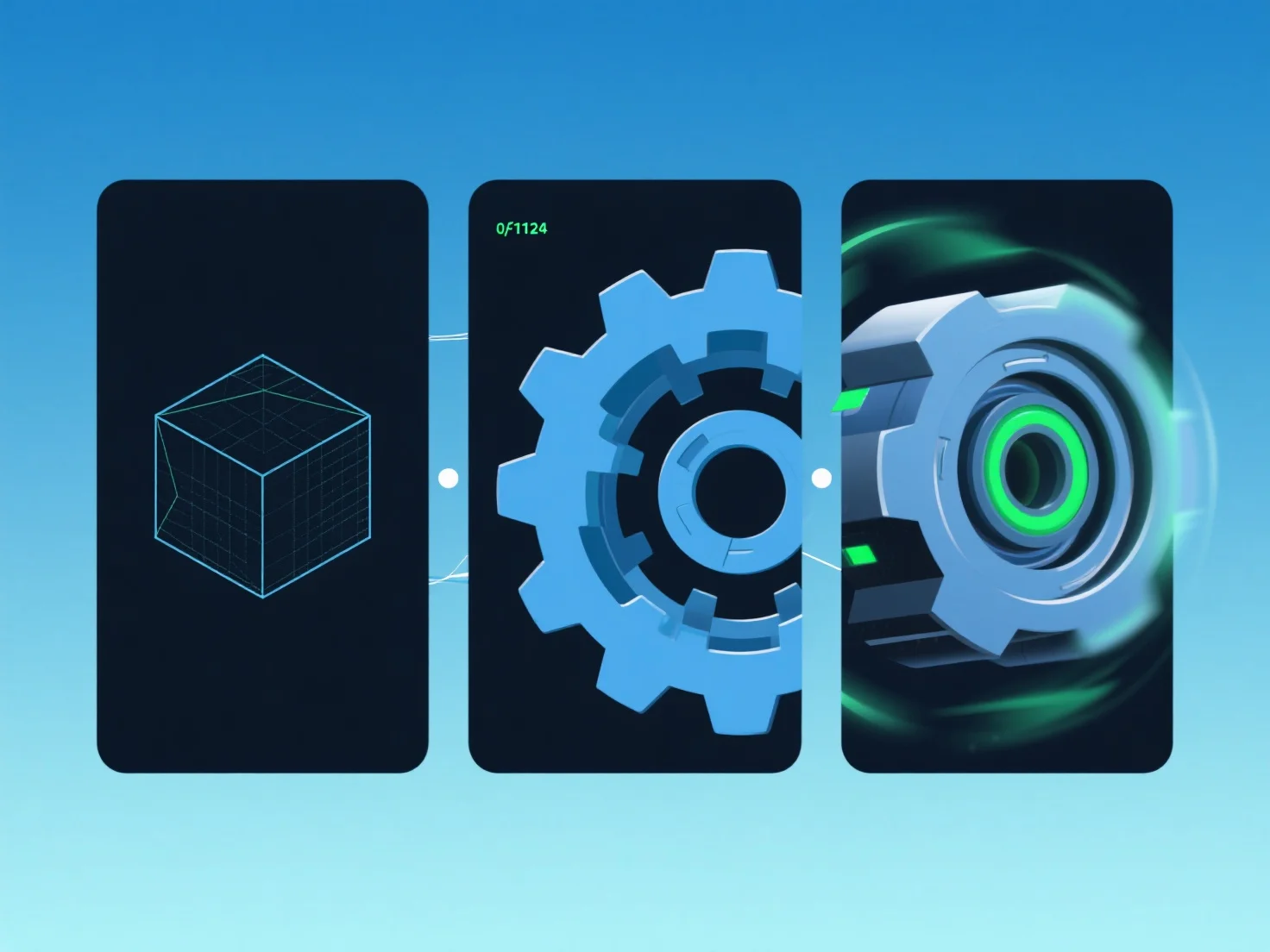
Die Erstellung eines virtuellen Prototyps mithilfe von 3D-Modellierung umfasst in der Regel fünf Hauptschritte: Anforderungsanalyse, Erstellung eines 3D-Modells, Montage und Integration, Testen/Optimieren und Dokumentation. Diese Schritte stellen gemeinsam sicher, dass der Prototyp die Form, Funktion und Leistung des Produkts genau simuliert und als wichtiges Werkzeug zur Validierung vor der Produktion dient.
Die Anforderungsanalyse klärt die Designziele, Benutzerbedürfnisse und technischen Einschränkungen, um den Umfang des Prototyps zu bestimmen.
Die Erstellung von 3D-Modellen besteht darin, detaillierte digitale Komponenten mit spezialisierter Software zu erstellen, wobei der Schwerpunkt auf Geometrie, Texturen und Dimensionen liegt, um reale Merkmale nachzubilden.
Die Montage und Integration kombinieren einzelne Modelle zu einer zusammenhängenden Struktur und überprüfen die Passung der Teile und die räumlichen Beziehungen.
Tests und Optimierungen simulieren reale Bedingungen.
Die Dokumentation erfasst Spezifikationen, Designentscheidungen und Testergebnisse für die Zusammenarbeit im Team und zukünftige Iterationen.