


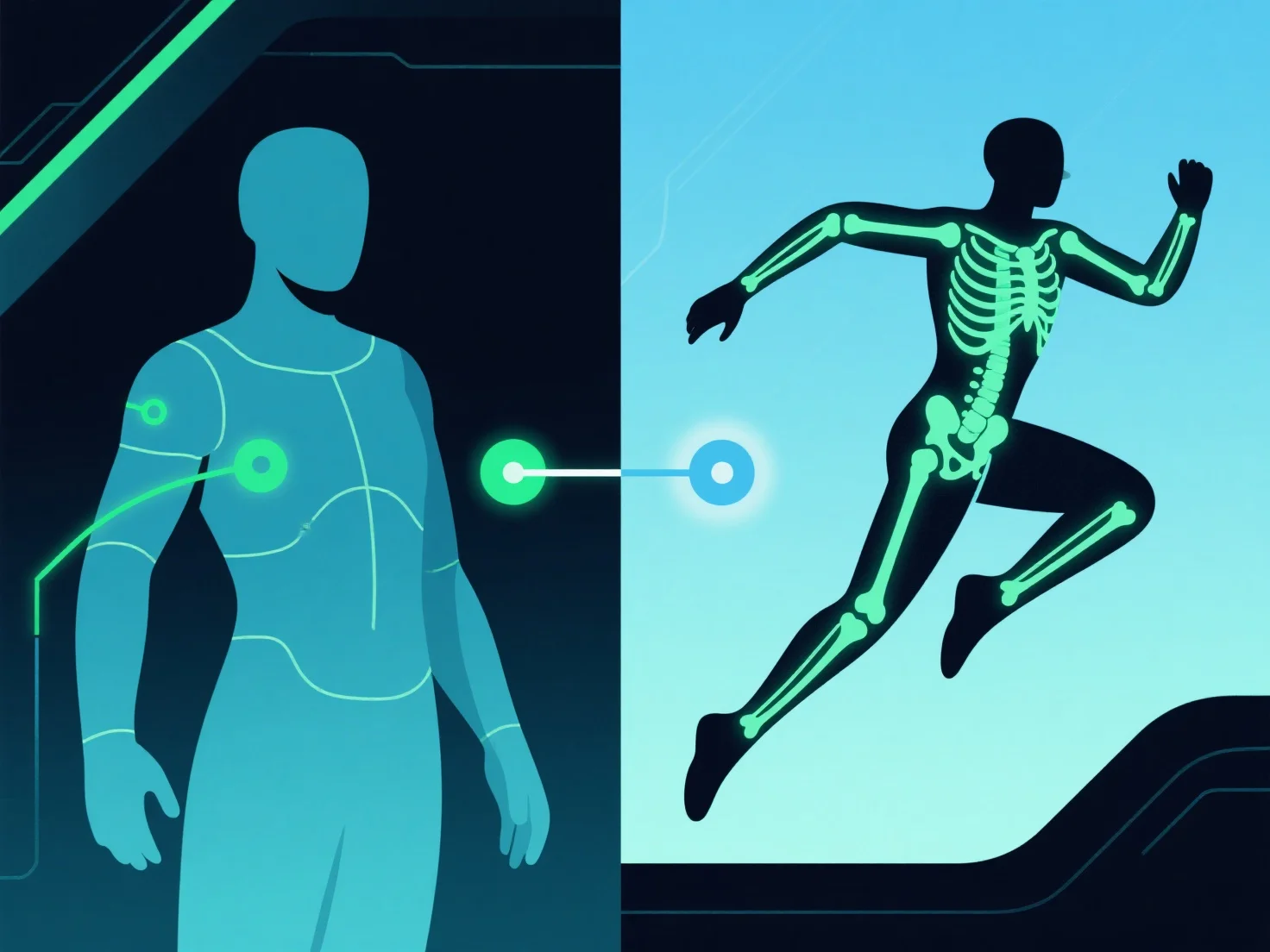
Rigging tools are critical in character design and animation, creating a digital skeleton (rig) that enables precise movement control, bridging static 3D models and dynamic animations.
- Define movement logic: They set up bones, joints, constraints, and inverse kinematics to dictate how body parts move (e.g., arm bending naturally), ensuring realistic motion rules. - Streamline animation workflow: Animators use rig controls to pose characters quickly for keyframes, reducing manual work in films, games, or ads. - Ensure smooth skinning: They map the 3D model’s surface to the rig, preventing distortion and making movement look natural.
Without rigging tools, translating character designs into fluid, believable animation would be technically challenging and time-consuming.