


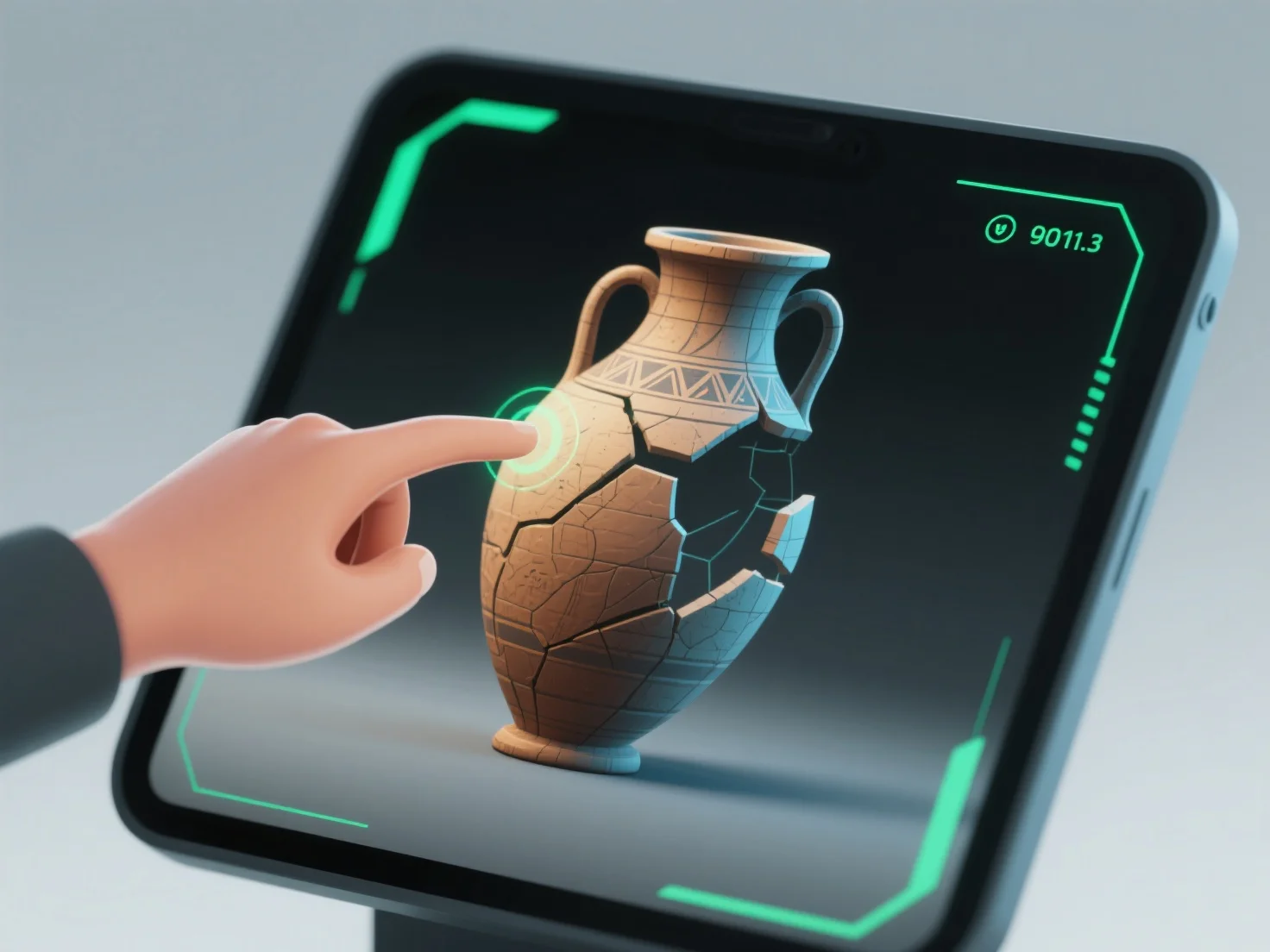
3D models play a pivotal role in visualizing historical events or artifacts by creating detailed, interactive digital replicas that bridge gaps in damaged or incomplete physical remains, making history more accessible and engaging.
- **Reconstructing originals**: They accurately reproduce the original appearance of fragmented artifacts (e.g., broken ancient statues) or event scenes (e.g., medieval battles), filling in missing details that physical remains can’t show. - **Immersive exploration**: Users can view from multiple angles, zoom into intricate details (e.g., carvings on a temple wall), or simulate interactions (e.g., how a historical tool was used), deepening contextual understanding. - **Educational & analytical aid**: They support museum exhibits, classroom teaching, and research, helping audiences—from students to scholars—intuitively grasp historical significance through tangible, interactive visuals.
Overall, 3D models transform abstract history into vivid, accessible experiences, connecting modern audiences to the past.