


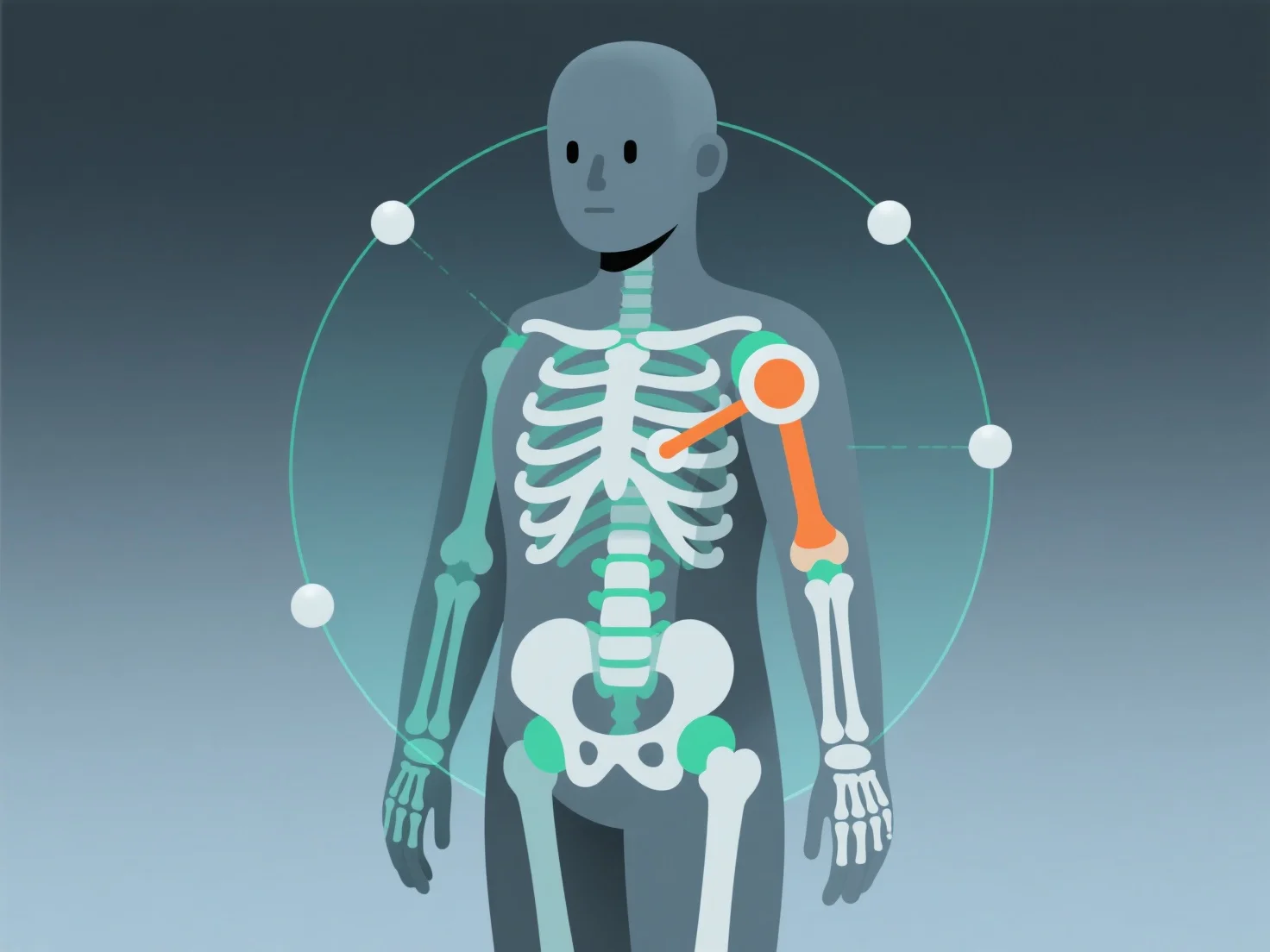
The purpose of rigging in 3D animation is to create a controllable framework that enables 3D models to move realistically and flexibly. It acts as the bridge between static models and dynamic animation, allowing animators to manipulate movements with precision.
Key aspects include: - **Skeleton Setup**: Adding a "digital skeleton" with bones and joints that mimic anatomical structures, defining movement ranges (e.g., elbow bending, spine rotation). - **Control Systems**: Integrating intuitive controls (sliders, handles) to simplify complex actions, such as adjusting facial expressions or limb poses without editing the model itself. - **Realism Enhancement**: Ensuring movements feel natural (e.g., weight shifts, muscle follow-through) and enabling characters to convey emotions or actions effectively.
Overall, rigging is foundational for bringing 3D models to life, making it essential for creating lifelike animations.