


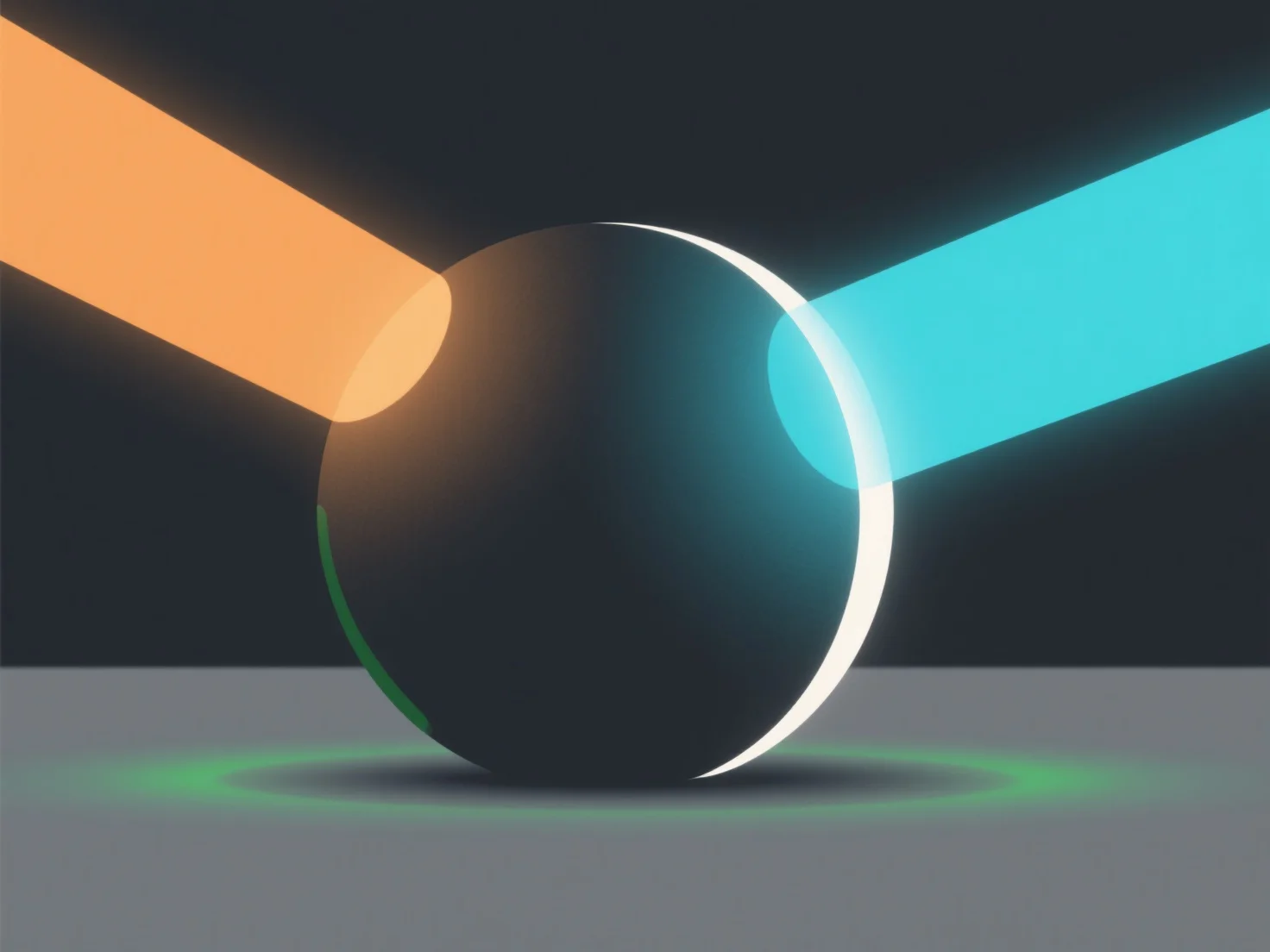
L'éclairage est crucial pour une modélisation 3D réaliste, car il reproduit la dynamique de la lumière du monde réel afin d'améliorer les détails des objets, la profondeur et l'authenticité de la scène, ce qui donne aux modèles une apparence réaliste.
Il définit les propriétés des matériaux : en simulant les interactions entre la lumière et la surface, il met en évidence les textures.
Cela crée une perception spatiale : les ombres de l'éclairage établissent la position et la profondeur des objets, aidant les spectateurs à comprendre la disposition de la scène et les relations entre les éléments.
Il équilibre la luminosité : Un éclairage approprié évite les visuels plats en ajoutant des reflets et des ombres, ce qui donne de la profondeur et rend les modèles plus tangibles.
Maîtriser les configurations de base.