


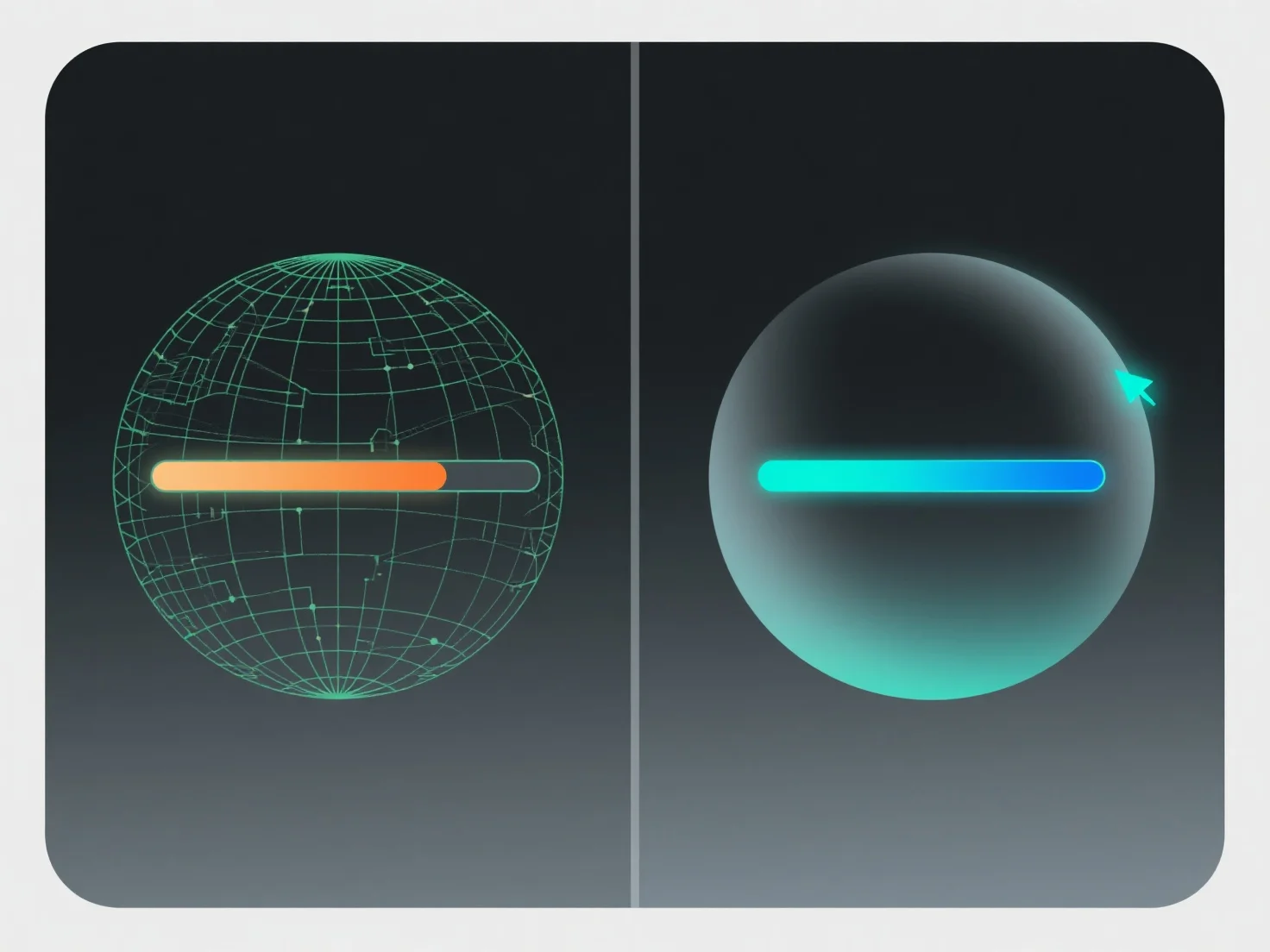
Model optimization directly reduces 3D rendering time by minimizing computational demands through streamlined model elements.
Simplifying geometry, such as reducing polygon counts, removes redundant vertices and faces, lowering the data volume the renderer must process.
Compressing textures or using lower-resolution maps reduces memory usage and data transfer time, speeding up texture loading and application during rendering.
Eliminating unnecessary details (e.g., hidden surfaces, unused layers) cuts down on redundant calculations, allowing the system to focus on critical visual elements.
Together, these optimizations lighten the rendering workload, making the process faster and more efficient.