Home/Hitem3D FAQ/What is the difference between high-poly and low-poly components in 3D modeling?

What is the difference between high-poly and low-poly components in 3D modeling?

High-poly has more polygons for detailed non-real-time use; low-poly has fewer for performance-driven real-time apps.

What is the difference between high-poly and low-poly components in 3D modeling?

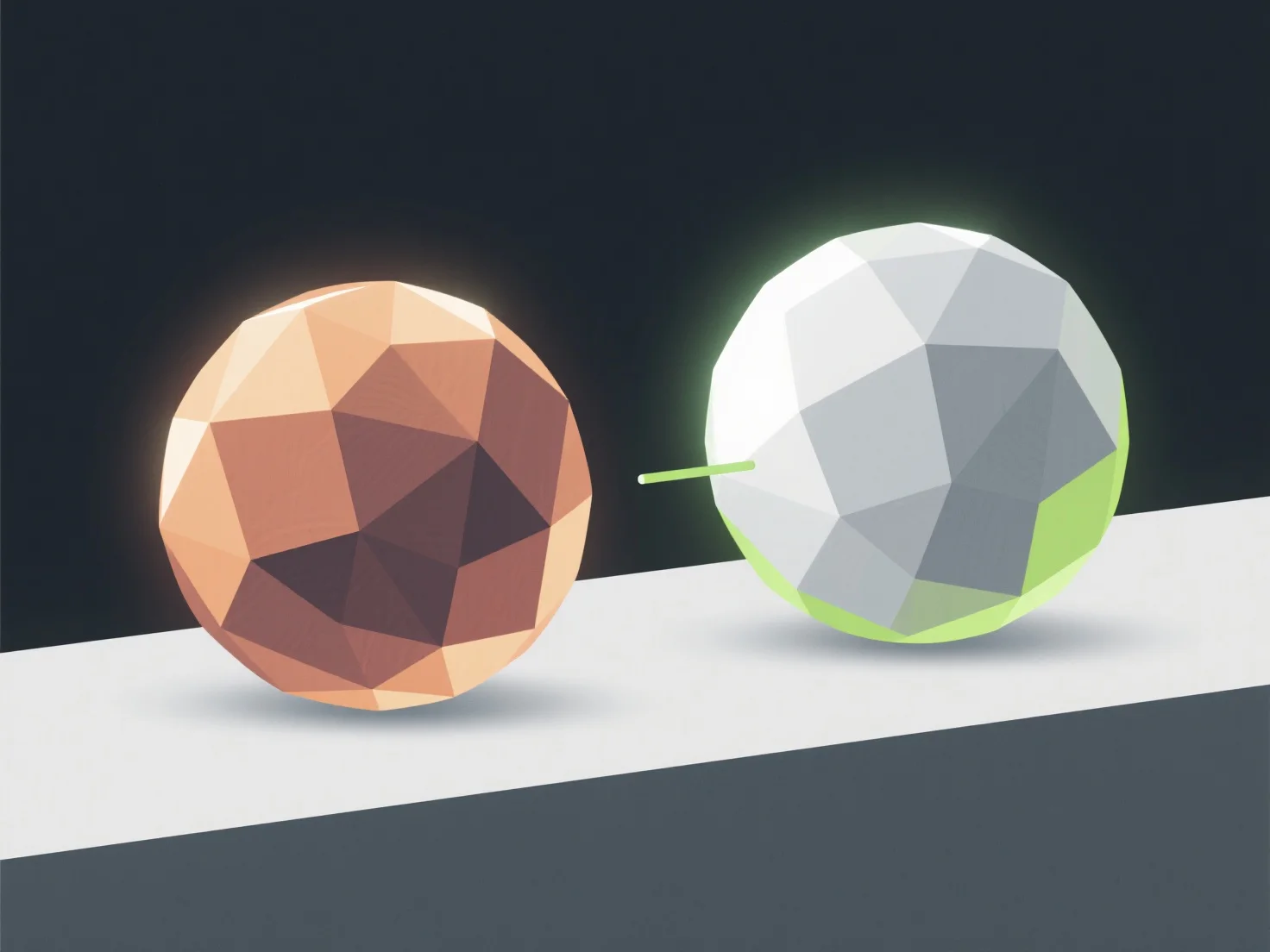
The key difference between high-poly and low-poly components in 3D modeling lies in polygon count and application focus: high-poly uses more polygons for rich details, while low-poly uses fewer for lightweight performance.

High-poly components have a dense polygon count, enabling intricate surface details and complex geometric structures. They are often used in static renders, product design visualizations, or film special effects where visual fidelity is the priority.

Low-poly components have a sparse polygon count, focusing on efficient rendering and smooth performance. They are ideal for real-time applications like video games, AR/VR, or interactive simulations that require quick load times and responsive interaction.

In summary, choose high-poly for detailed, non-real-time projects and low-poly for dynamic, performance-driven ones.

PreviousNext
Product
Web Studio
API Platform
Features
Image to 3D
Multi-view to 3D
Relief
Segmentation
Models
General Model
Portrait Model
Resource
Blog
FAQ
API Docs
About us
Pricing