


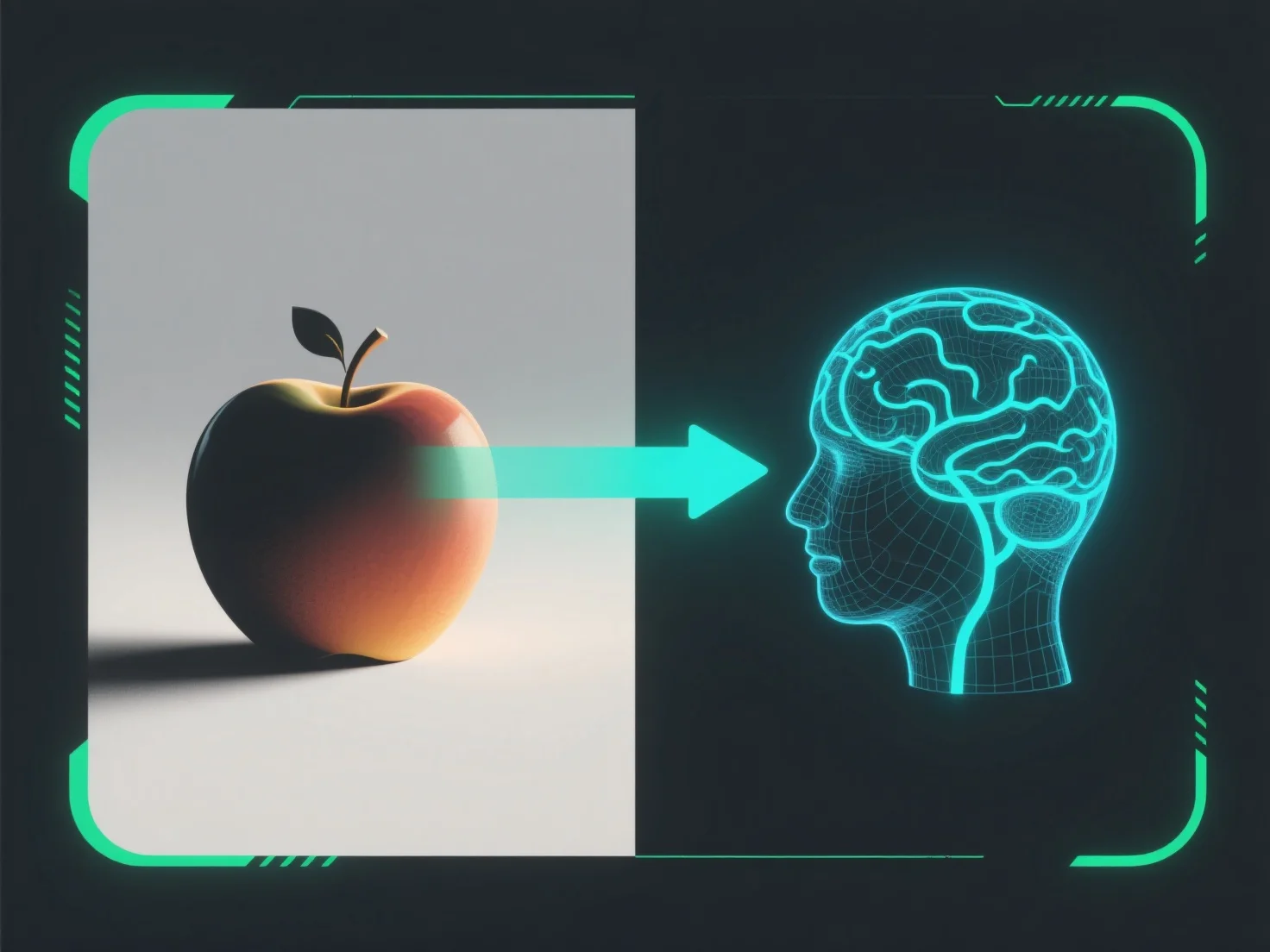
3D modeling in education significantly enhances memory and recall by transforming abstract concepts into tangible, interactive experiences. It achieves this through multi-sensory engagement and active learning, making complex information more memorable.
First, it engages visual, spatial, and kinesthetic senses. Unlike static 2D materials, 3D models let students rotate, zoom, or dissect structures (e.g., anatomical systems, geological formations), linking visual details to spatial relationships and deepening neural connections.
Second, active interaction strengthens memory encoding. Manipulating 3D models—such as exploring cell organelles or mechanical parts—turns passive learning into active participation, creating stronger recall cues for exams or practical use.
Overall, 3D modeling bridges abstract learning and real-world understanding, boosting both short-term retention and long-term recall in educational settings.