


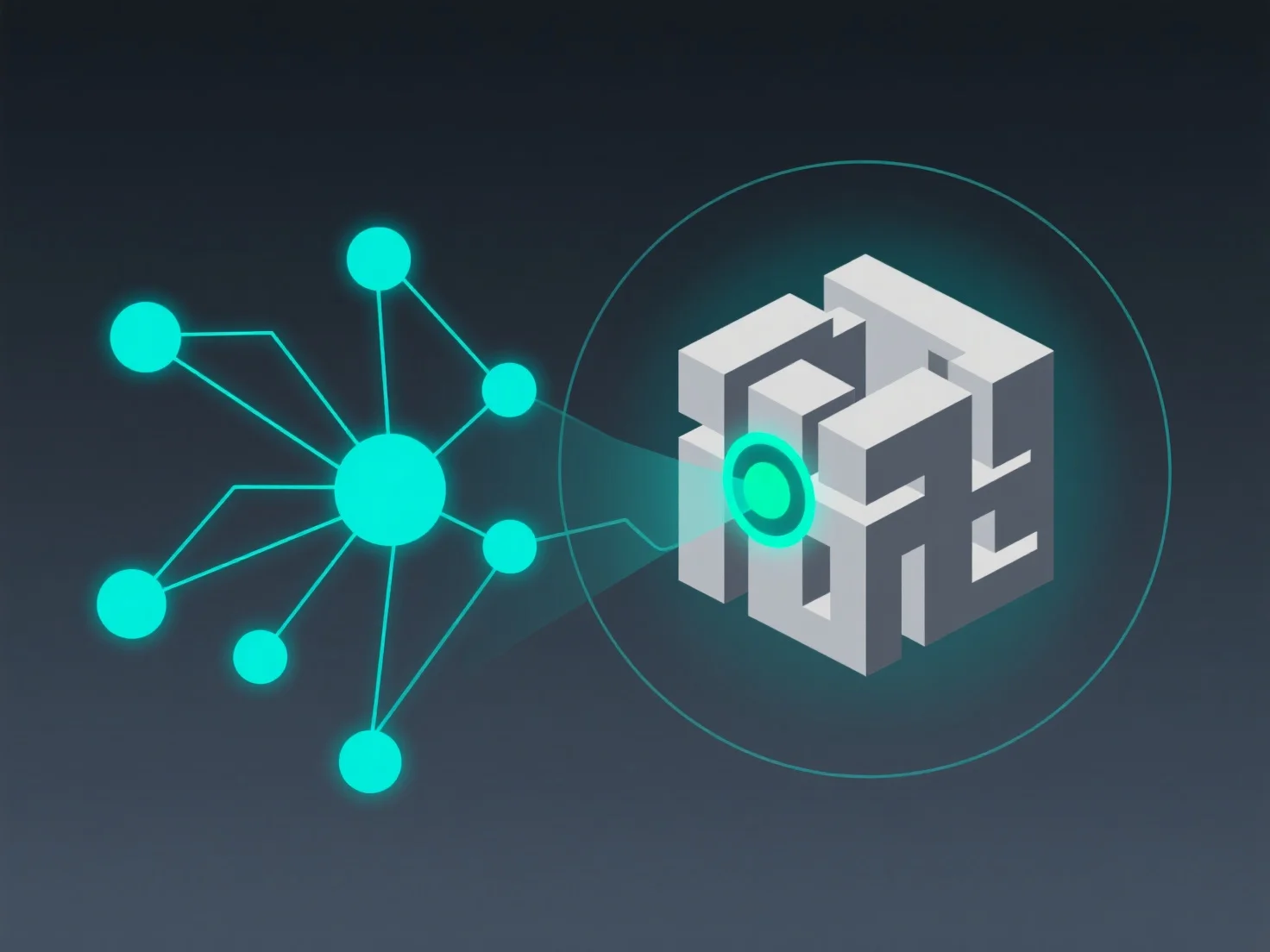
Procedural modeling in 3D design is a method of creating 3D models using algorithms, rules, or mathematical functions instead of manual, point-by-point editing.
It automates model generation by defining parameters (e.g., size, density, pattern) and their relationships, enabling quick iteration and the creation of complex, natural-looking structures.
It is ideal for large-scale environments (such as terrain or forests) or repetitive elements (like building facades or vegetation), where manual modeling would be time-consuming and inefficient.
Tools like Blender’s Geometry Nodes or Houdini leverage this logic—adjusting basic parameters helps shape model outcomes, making it key for scalable, consistent 3D asset creation.