


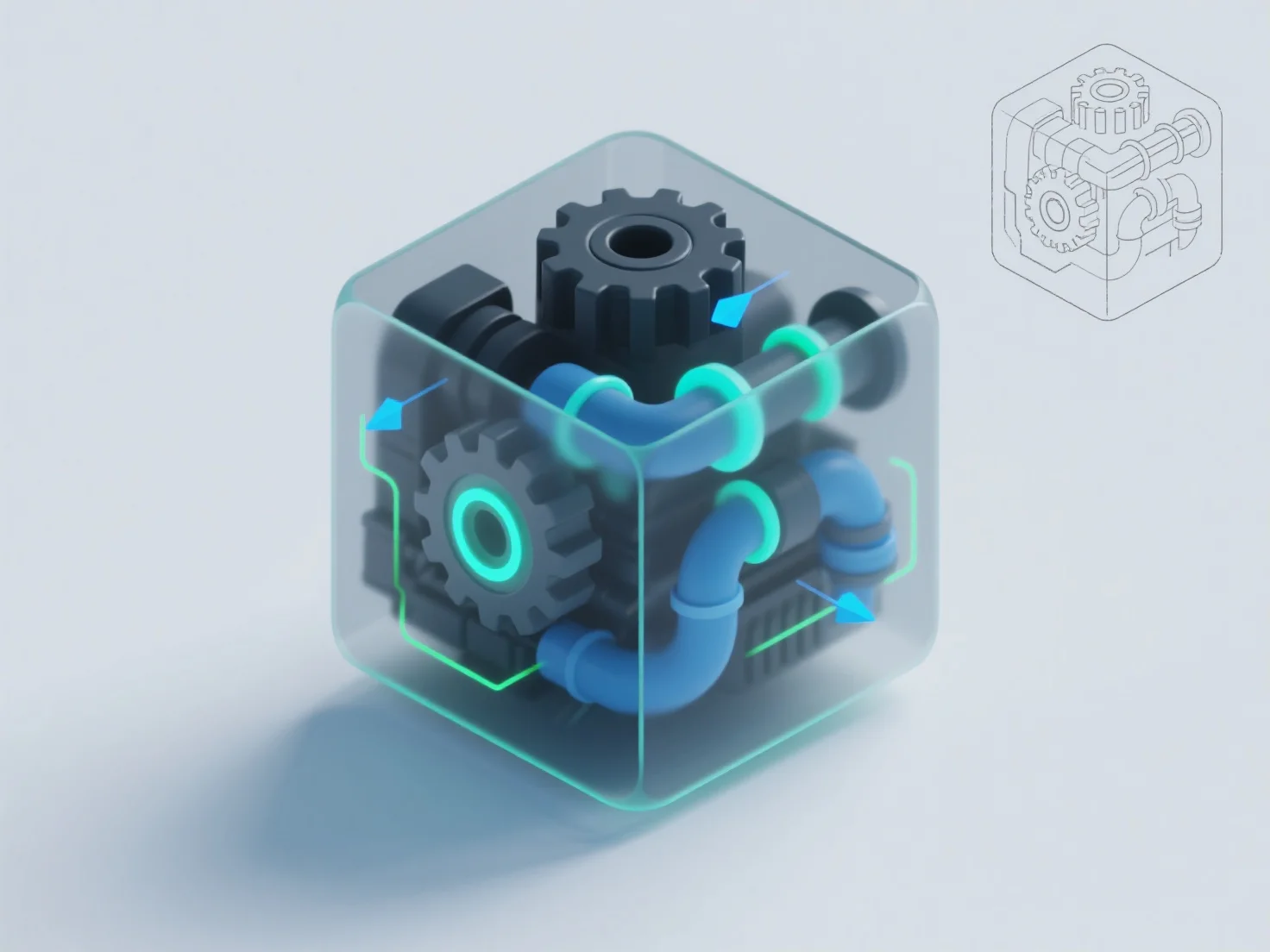
Die 3D-Modellierung verbessert das Verständnis komplexer Systeme, indem sie intuitive visuelle Darstellungen bereitstellt, die Strukturen, Interaktionen und Betriebsabläufe verdeutlichen und abstrakte oder mehrschichtige Komponenten in greifbare visuelle Elemente umwandeln.
Die Hauptvorteile umfassen: - Vereinfachte räumliche Beziehungen: Zeigt deutlich, wie Komponenten räumlich passen und interagieren, was die Verwirrung in mehrschichtigen Systemen (z. B. Maschinenanlagen, architektonische Layouts) reduziert. - Verbesserte Zusammenarbeit: Dient als gemeinsamer visueller Bezugspunkt und unterstützt die Kommunikation zwischen Ingenieuren, Designern oder Stakeholdern. - Frühe Problemidentifizierung: Ermöglicht die Erkennung von Designfehlern oder Ineffizienzen durch die Simulation des realen Systembetriebs.
Durch die Umwandlung von Komplexität in visuelle Elemente beschleunigt 3D-Modellierung das Lernen, die Entscheidungsfindung und die Optimierung in Branchen wie Ingenieurwesen, Gesundheitswesen und Architektur.