


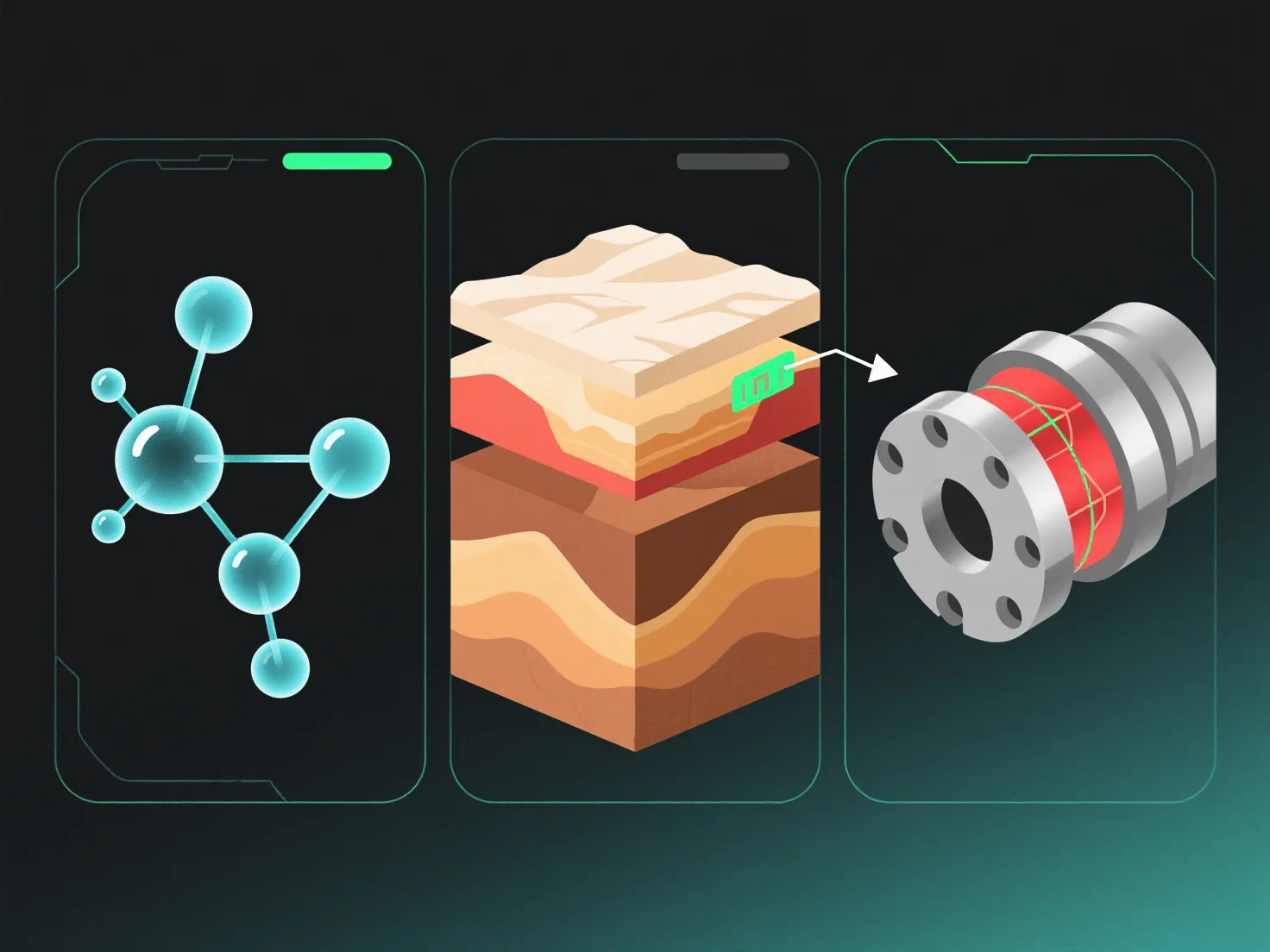
Typical applications of 3D modeling in scientific research include visualizing complex structures, simulating dynamic processes, and enabling collaborative analysis.
It transforms abstract data into tangible 3D representations, enhancing researchers' understanding and communication of findings through detailed rendering and visualization.
Key applications across disciplines: - Biology: Modeling molecular structures (e.g., proteins) or organ systems to study interactions and functions. - Geology: Reconstructing terrain, rock formations, or subsurface structures to analyze geological processes. - Archaeology: Digitally restoring artifacts or ancient sites for preservation and detailed study. - Physics: Simulating particle collisions or fluid dynamics to test hypotheses and predict outcomes. - Climate Science: Creating 3D models of weather systems, glaciers, or carbon cycles to study climate change impacts.
For new researchers, open-source tools like Blender offer a practical starting point to explore 3D modeling in their field.