Home/Hitem3D FAQ/What are the typical stages of the 3D modeling process?

What are the typical stages of the 3D modeling process?

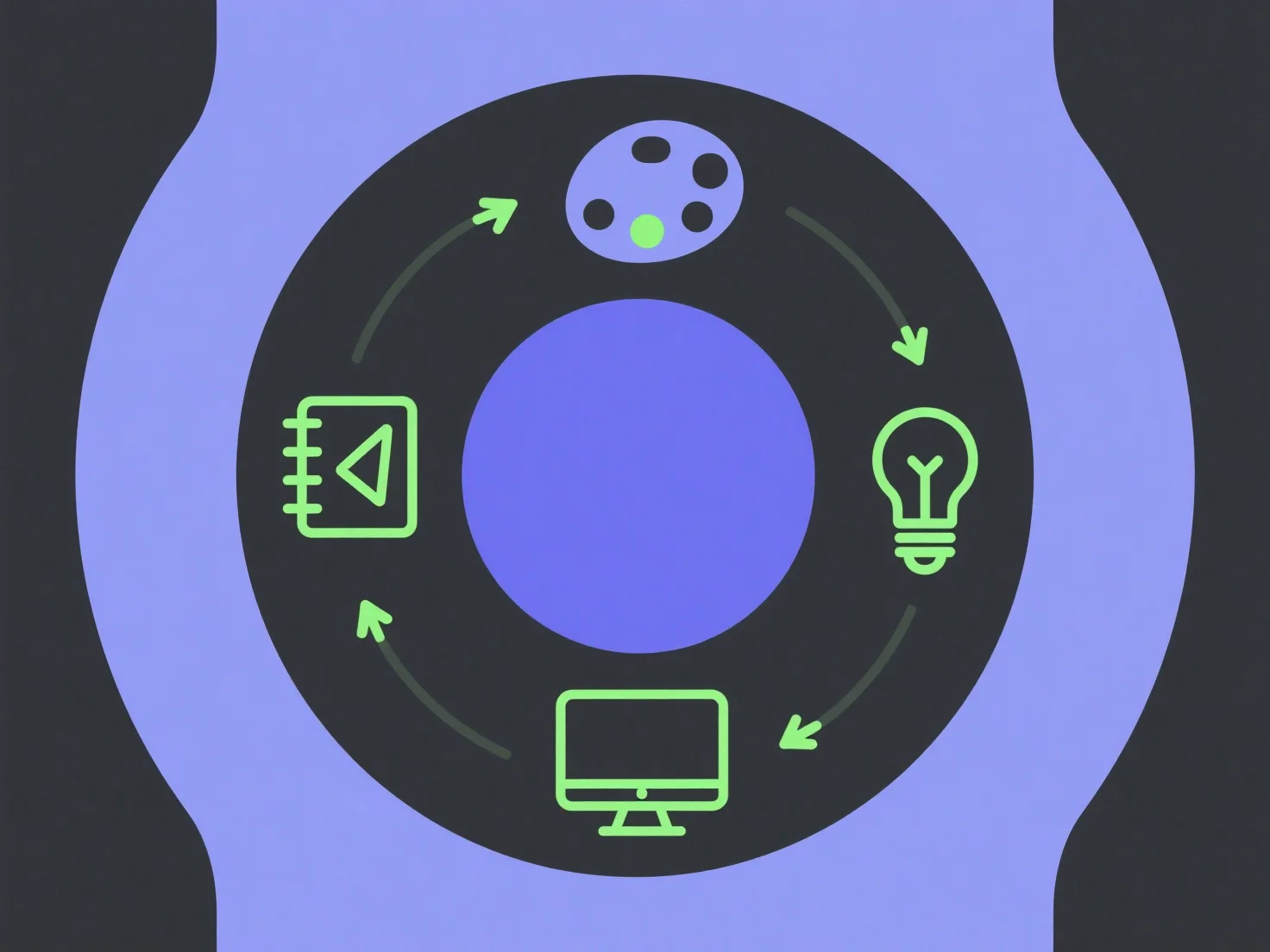
The 3D modeling process has sequential stages: concept design, 3D modeling, texturing, rigging, animation, and rendering.

What are the typical stages of the 3D modeling process?

Typical stages of the 3D modeling process include concept design, 3D modeling, texturing, rigging, animation, and rendering. Each stage progresses sequentially: - Concept design: Defines the object’s appearance and structure via sketches or references to guide the workflow. - 3D modeling: Builds the basic shape using software (e.g., Blender, Maya) to create a mesh or wireframe. - Texturing: Adds surface details like color, patterns, and materials to enhance realism. - Rigging: Creates a skeleton (bones/joints) to enable movement for dynamic models. - Animation: Manipulates the rig to animate motion sequences (e.g., character movements). - Rendering: Generates the final visual output with lighting and effects for a polished result. This structured process ensures clarity, making it easier to refine each stage and achieve professional 3D models.

PreviousNext
Product
Web Studio
API Platform
Features
Image to 3D
Multi-view to 3D
Relief
Segmentation
Models
General Model
Portrait Model
Resource
Blog
FAQ
API Docs
About us
Pricing