


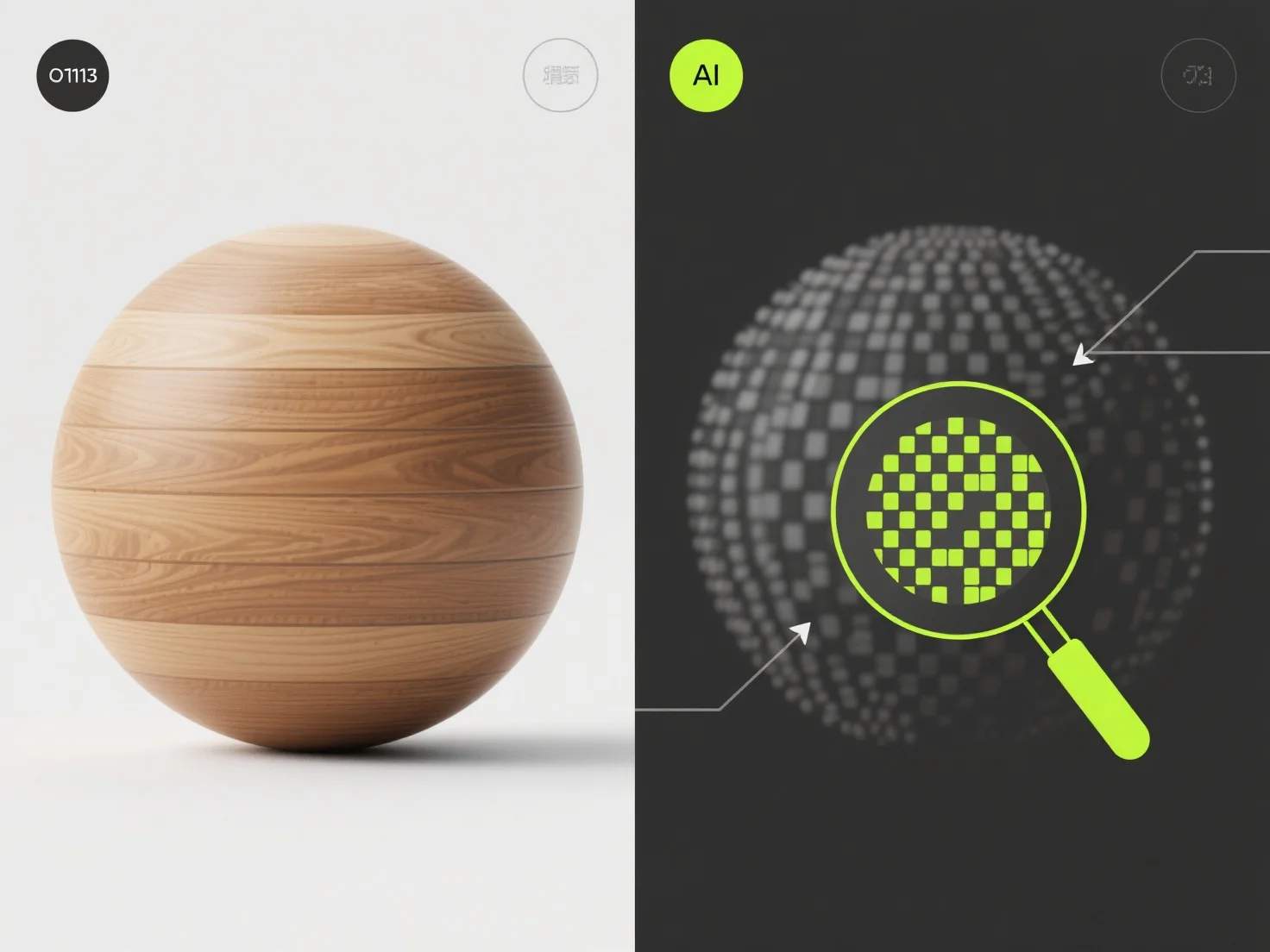
The standards for textures in 3D models focus on resolution, color consistency, compatibility with rendering pipelines, and optimization for target platforms, ensuring they balance visual quality with technical feasibility.
- **Resolution**: Follows power-of-two dimensions (e.g., 512x512, 2048x2048) to prevent rendering errors; pixel density matches model detail needs (e.g., higher resolution for close-up assets). - **Color consistency**: Uses standardized color spaces (sRGB/linear) and gamma correction to maintain uniform tones across devices and software. - **Compatibility**: Aligns with workflows (e.g., PBR for realistic materials) and engine specs (e.g., UV mapping limits, texture slot constraints). - **Optimization**: Employs compression (JPEG, BCn) to reduce file size, ensuring smooth performance on target hardware (mobile, PC, or console).
These standards ensure textures meet project goals—whether for games, visualization, or animation—by merging quality and technical efficiency.