


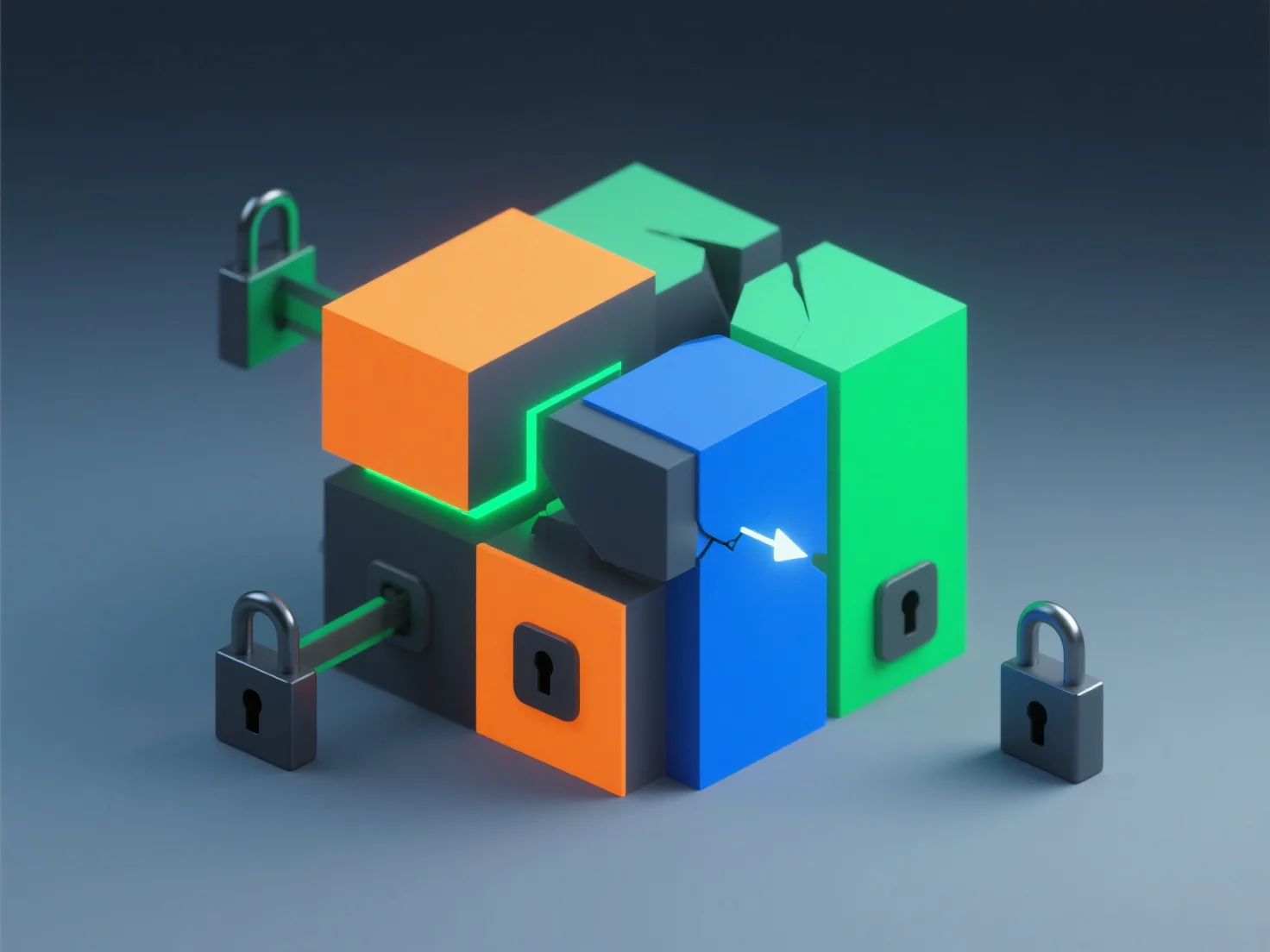
The primary risks of proprietary standards in 3D workflows include vendor lock-in, limited interoperability, and potential asset inaccessibility, reducing flexibility and increasing long-term costs.
- **Vendor lock-in**: Relying on a single vendor’s proprietary standards restricts switching to other tools, creating dependence that can raise licensing or upgrade costs over time. - **Interoperability barriers**: Closed formats hinder data transfer between different 3D software, requiring extra conversion tools and often causing data loss (e.g., textures, animations) during transfers. - **Asset vulnerability**: If a vendor ends support for their proprietary format, existing assets may become unopenable, risking permanent loss of valuable 3D work.
To mitigate these risks, regularly back up assets in open, widely supported formats like OBJ or glTF.