


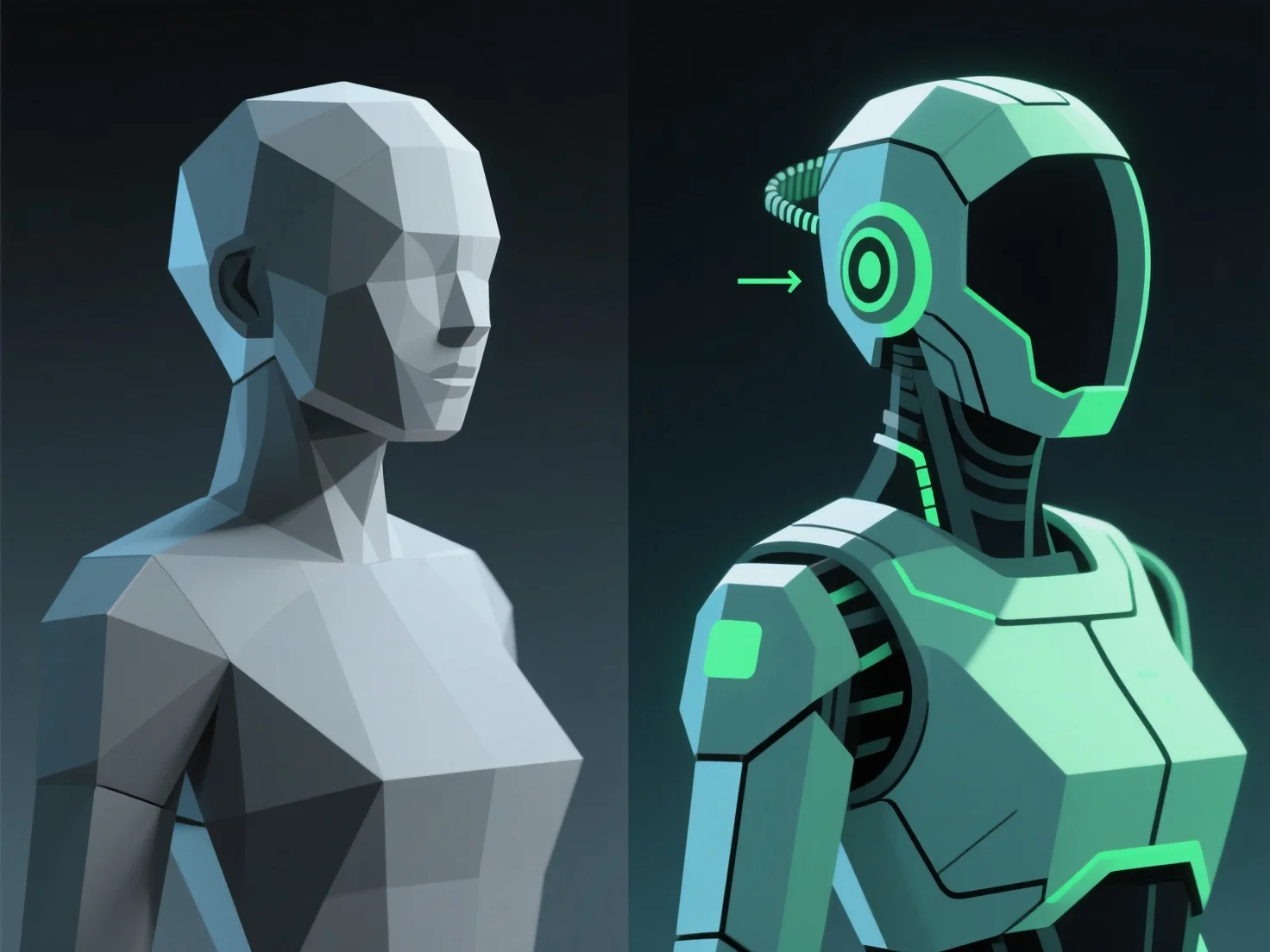
Real-time rendering’s key limitations versus offline rendering are lower visual quality and constrained scene complexity, primarily due to speed requirements for immediate output.
To deliver real-time performance (e.g., 30-60 frames per second) for interactivity, it simplifies textures, lighting, and geometry. In contrast, offline rendering can process high-detail elements like complex shadows, global illumination, and high-resolution textures over extended periods.
Common scenarios highlighting these limitations: - Gaming: Relies on simpler shaders and fewer polygons to maintain frame rates, unlike offline-rendered cutscenes with richer details. - AR/VR: Interactive demands limit light sources and particle effects, whereas offline architectural visualizations use full-detail rendering.
For critical photorealism (e.g., movie effects), offline rendering is superior; interactive apps often mitigate limitations via optimizations like level-of-detail (LOD).