Home/Hitem3D FAQ/What are the different types of texture maps (e.g., diffuse, specular, normal, bump)?

What are the different types of texture maps (e.g., diffuse, specular, normal, bump)?

Common texture maps (diffuse, specular, normal, etc.) simulate surface properties to enhance 3D model realism, balancing quality and performance.

What are the different types of texture maps (e.g., diffuse, specular, normal, bump)?

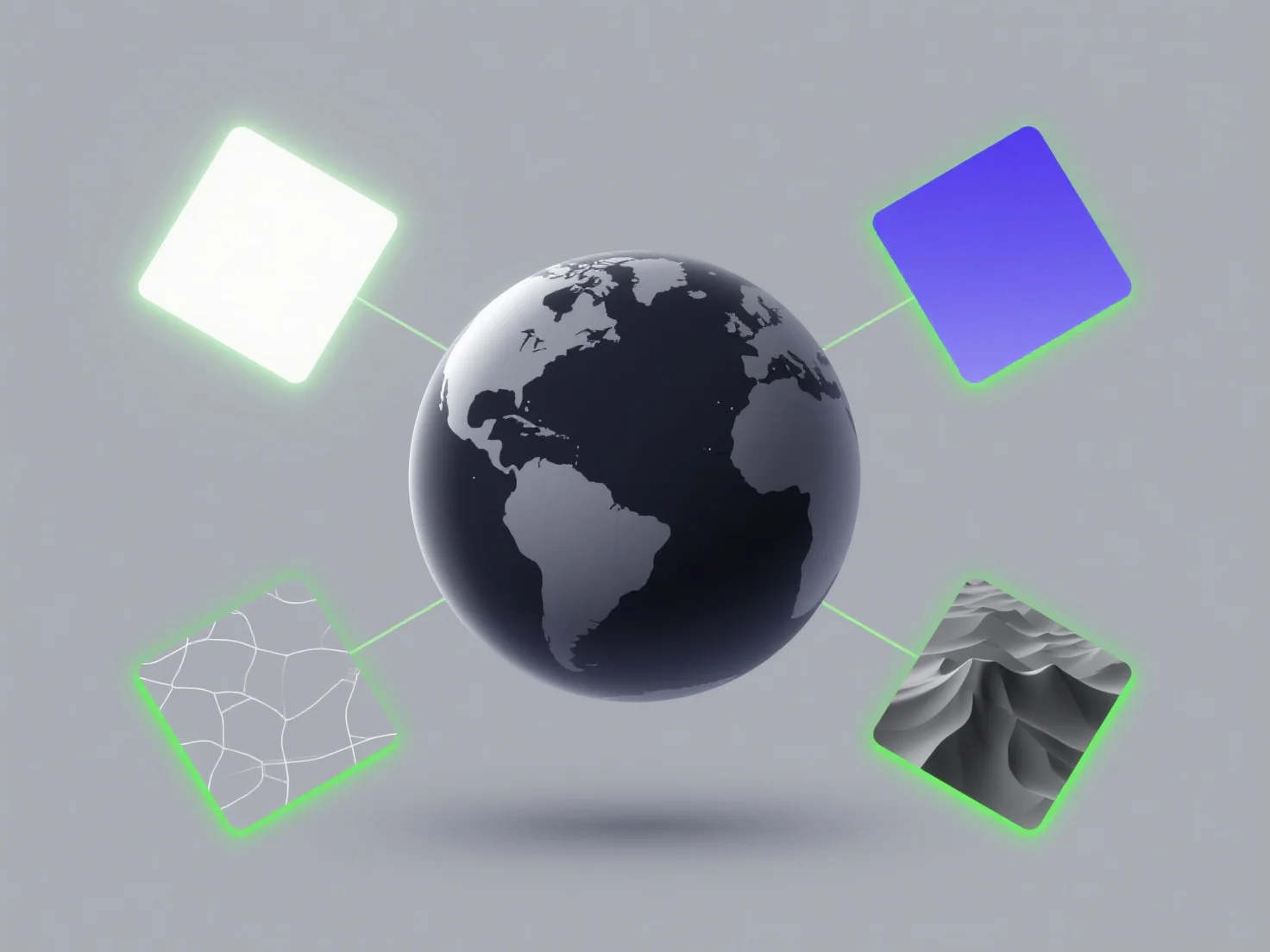
Common types of texture maps include diffuse, specular, normal, bump, albedo, roughness, and displacement maps, each simulating specific surface properties to enhance 3D model realism.

- Diffuse/Albedo Maps: Define a surface’s base color. Albedo often excludes lighting effects for consistent material tone, while diffuse may include basic shading. - Specular/Roughness Maps: Control reflectivity. Specular maps adjust highlight intensity (e.g., metallic shine), while roughness maps determine matte (high roughness) or glossy (low roughness) finishes. - Normal/Bump Maps: Add surface detail without extra polygons. Normal maps use RGB values to simulate 3D surface direction (e.g., bumps, grooves), while bump maps use grayscale to represent height variations (e.g., wood grain).

These maps collectively balance visual quality and performance, crucial in 3D modeling, gaming, and animation for lifelike surfaces.

PreviousNext
Product
Web Studio
API Platform
Features
Image to 3D
Multi-view to 3D
Relief
Segmentation
Models
General Model
Portrait Model
Resource
Blog
FAQ
API Docs
About us
Pricing