


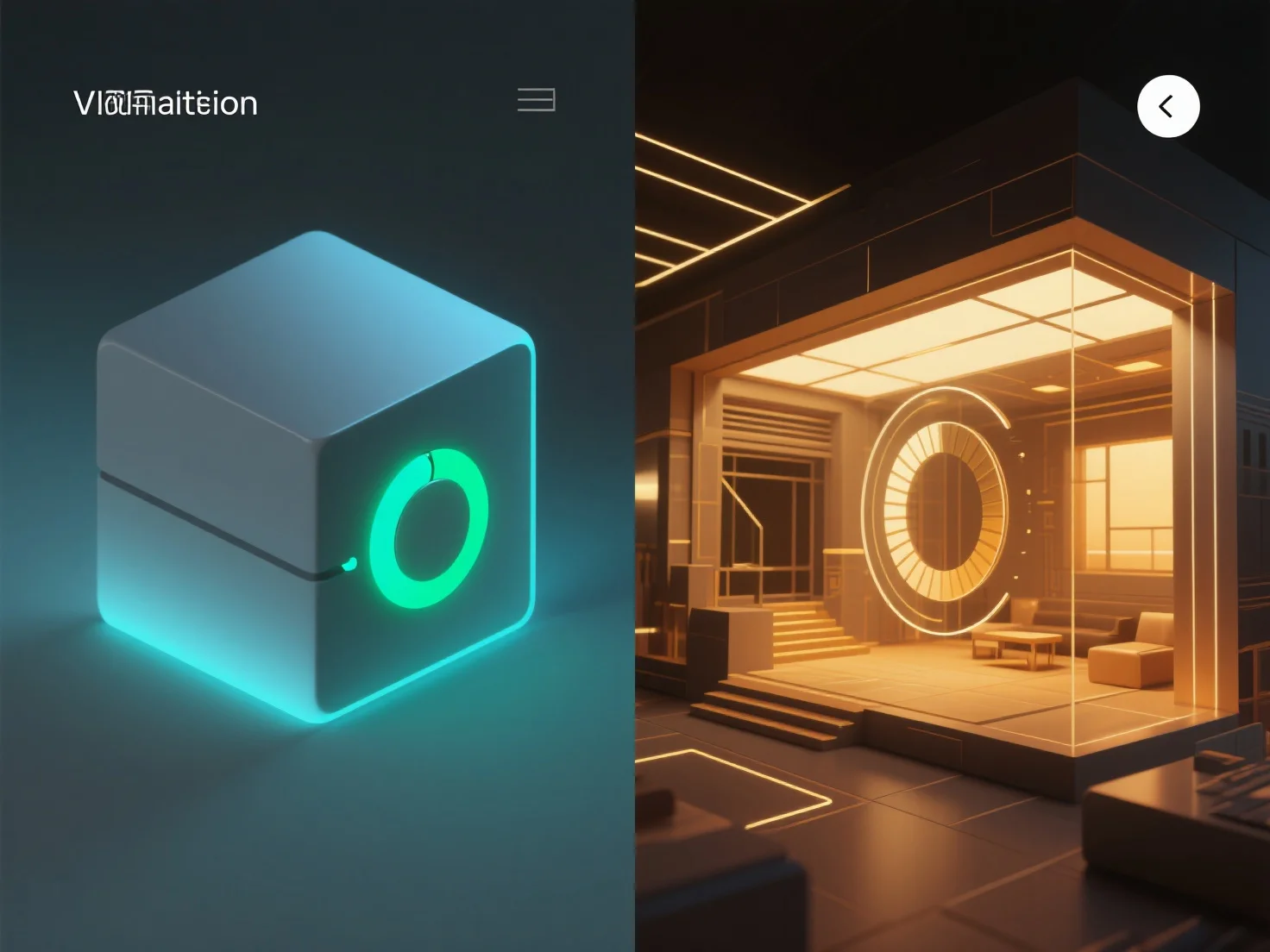
Echtzeit-3D-Rendering-Tools legen Wert auf Geschwindigkeit und sofortiges visuelles Feedback, während Offline-3D-Rendering-Tools sich auf eine hochwertige Ausgabe mit längeren Verarbeitungszeiten konzentrieren.
Echtzeit-Tools nutzen GPU-Beschleunigung und vereinfachte Algorithmen, um Frames schnell zu rendern (oft über 30 FPS), was sie ideal für interaktive Szenarien wie Videospiele, Virtual Reality oder Live-Design-Vorschauen macht.
Offline-Tools hingegen verwenden komplexe Berechnungen für realistische Beleuchtung, Texturen und Details, deren Verarbeitung Stunden oder Tage dauern kann. Sie werden häufig für Filmanimationen, Architekturvisualisierungen oder hochauflösende Produktrenders verwendet, bei denen die Zeitbeschränkungen weniger streng sind.
Zusammenfassend lässt sich sagen, dass Echtzeit-Tools für eine sofortige Interaktion geeignet sind, während Offline-Tools sich durch statische, hochauflösende Ergebnisse auszeichnen.