


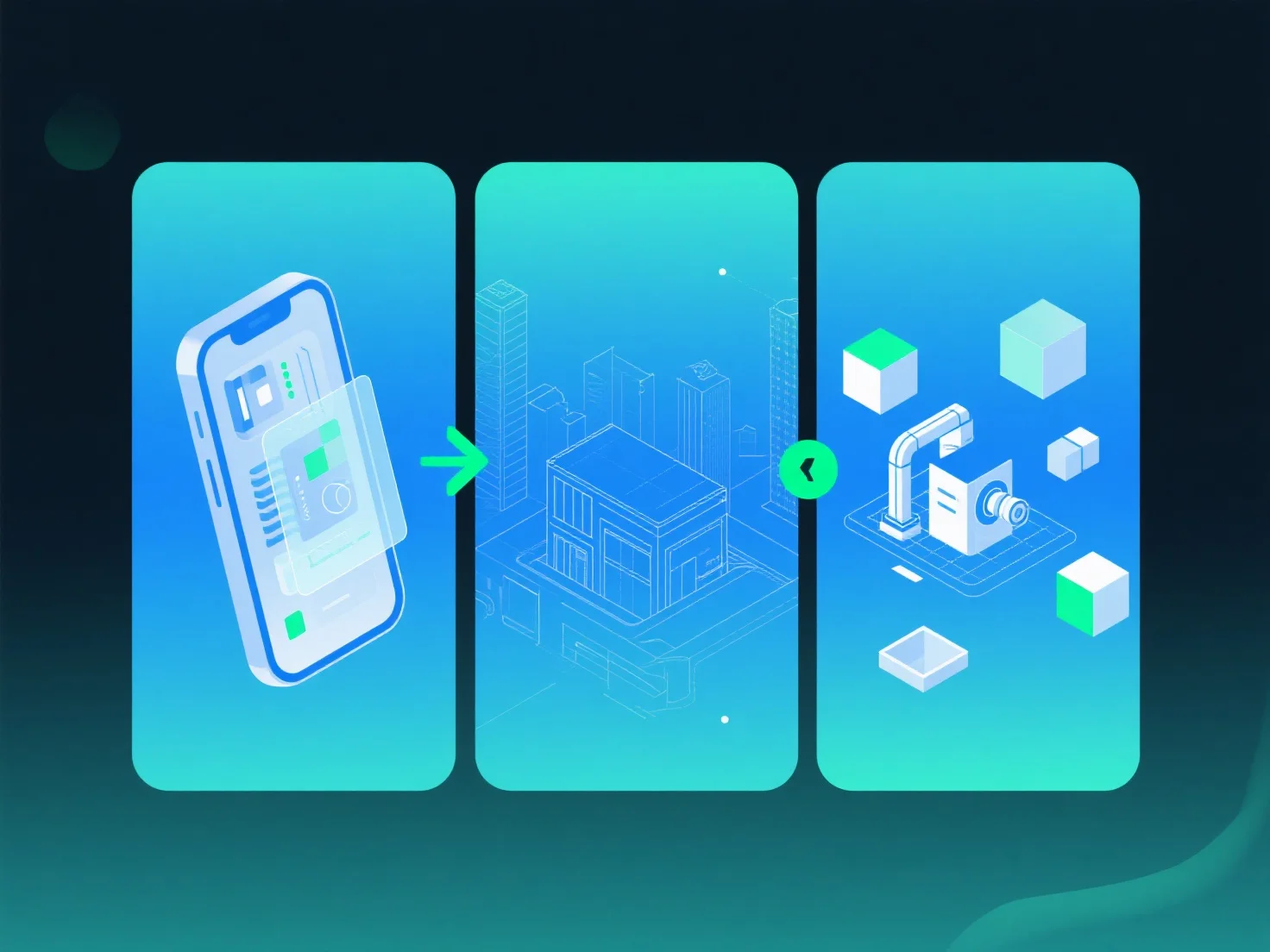
Common ways to implement 3D modeling in businesses include using professional software, outsourcing to specialized studios, and integrating with existing workflow tools, balancing cost, expertise, and workflow alignment for use cases like product prototyping or architectural rendering.
Professional software (e.g., Blender, AutoCAD) suits businesses with in-house design teams, enabling direct control over model creation for prototyping, marketing visuals, or custom designs.
Outsourcing to specialized studios is ideal for businesses lacking full-time 3D experts, accessing high-end models for projects like architectural rendering or complex product visualization without long-term hiring costs.
Integrating 3D tools with existing systems (e.g., CAD, CRM) ensures assets align with broader processes, streamlining collaboration and asset reuse across departments.
For beginners, starting with user-friendly software or small outsourcing projects helps ease adoption and align 3D modeling with specific business goals.