


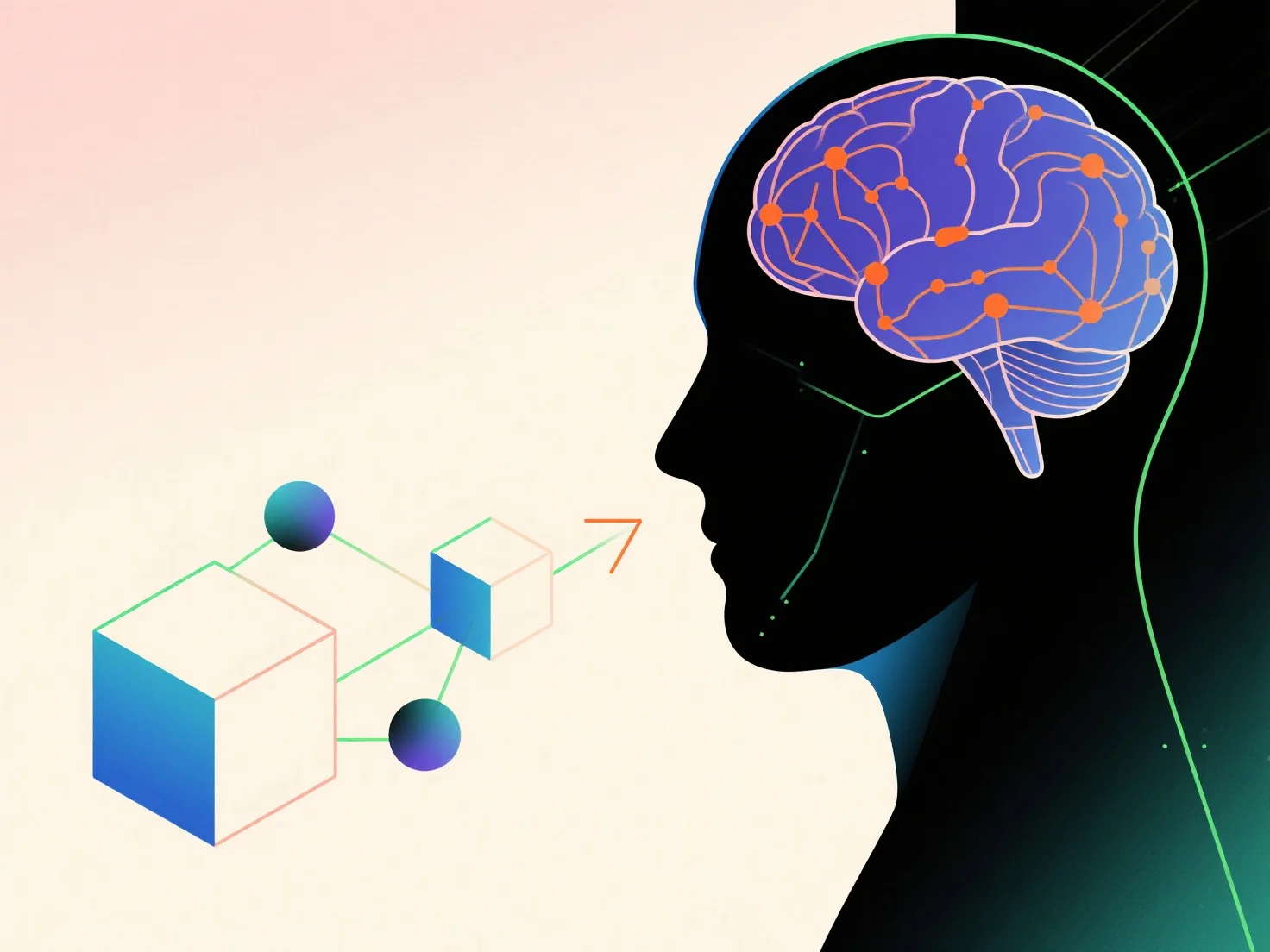
Creating 3D models involves core cognitive processes: spatial visualization, problem-solving, and iterative refinement, which collectively enable translating ideas into detailed 3D structures.
Spatial visualization: Mentally constructing and manipulating 3D forms, bridging 2D references (e.g., sketches, photos) to 3D shapes, ensuring accurate depth and perspective.
Problem-solving: Addressing technical challenges like geometry precision, texture mapping errors, or software constraints to maintain model integrity and functionality.
Iterative refinement: Adjusting details through feedback loops, refining proportions, textures, or dimensions to align with aesthetic goals or project requirements.
These processes work synergistically to transform conceptual ideas into polished, usable 3D models.