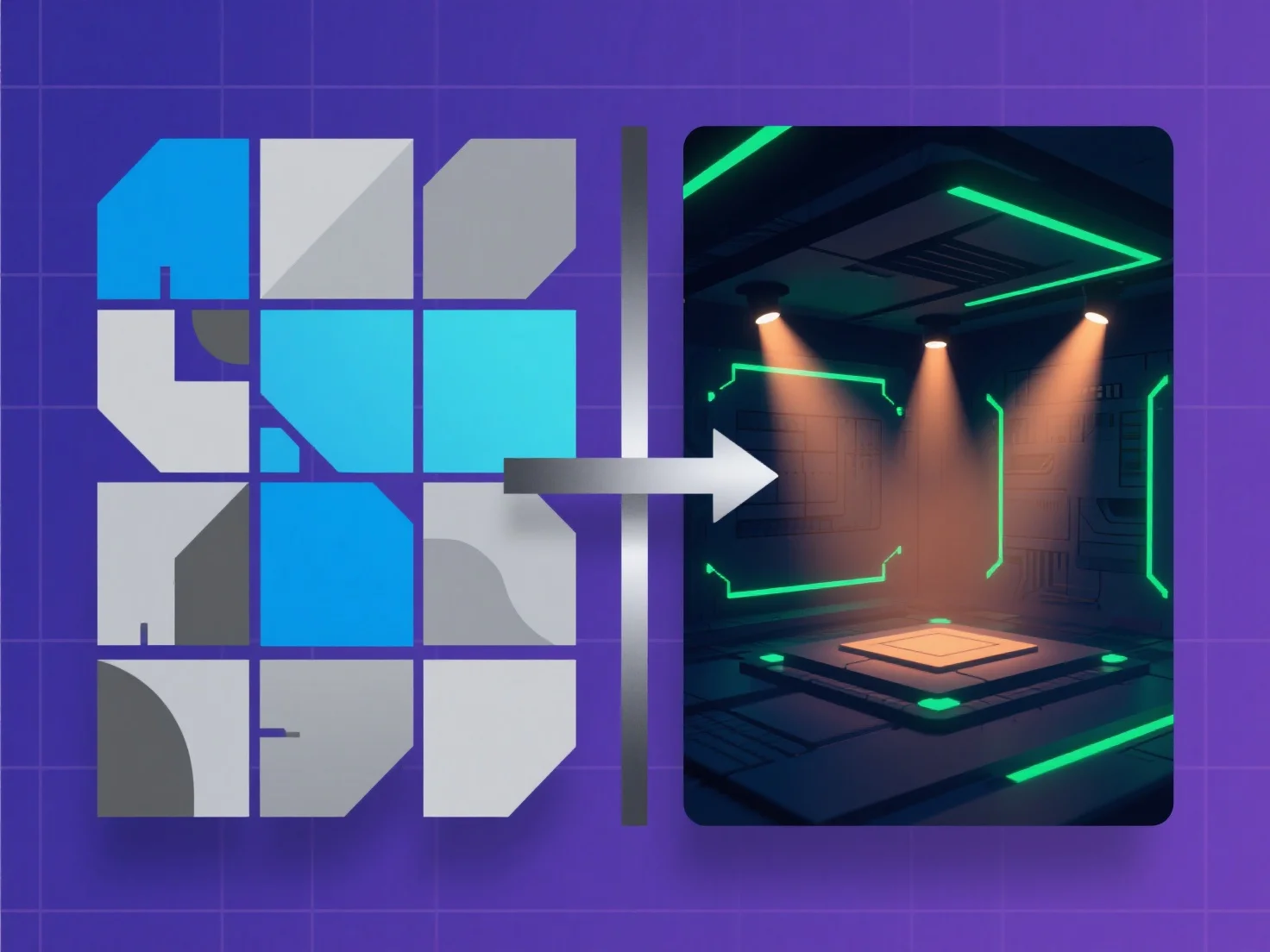
Deferred shading in 3D rendering primarily benefits by efficiently handling complex scenes with numerous light sources, reducing rendering overhead while maintaining visual quality. - Separates geometry rendering from lighting calculations: It first renders geometry to a G-buffer (storing position, normal, color), then applies lighting in a post-processing pass, avoiding reprocessing geometry for each light. - Optimizes multi-light scenarios: Ideal for dynamic or many light sources, as each light is calculated independently in the post-pass, lowering per-light geometric overhead. This boosts performance in projects needing realistic, multi-light setups, ensuring efficient rendering without compromising visual fidelity.


What are the benefits of deferred shading in 3D rendering?
Deferred shading optimizes multi-light 3D rendering by separating geometry and lighting, reducing overhead while maintaining quality.