


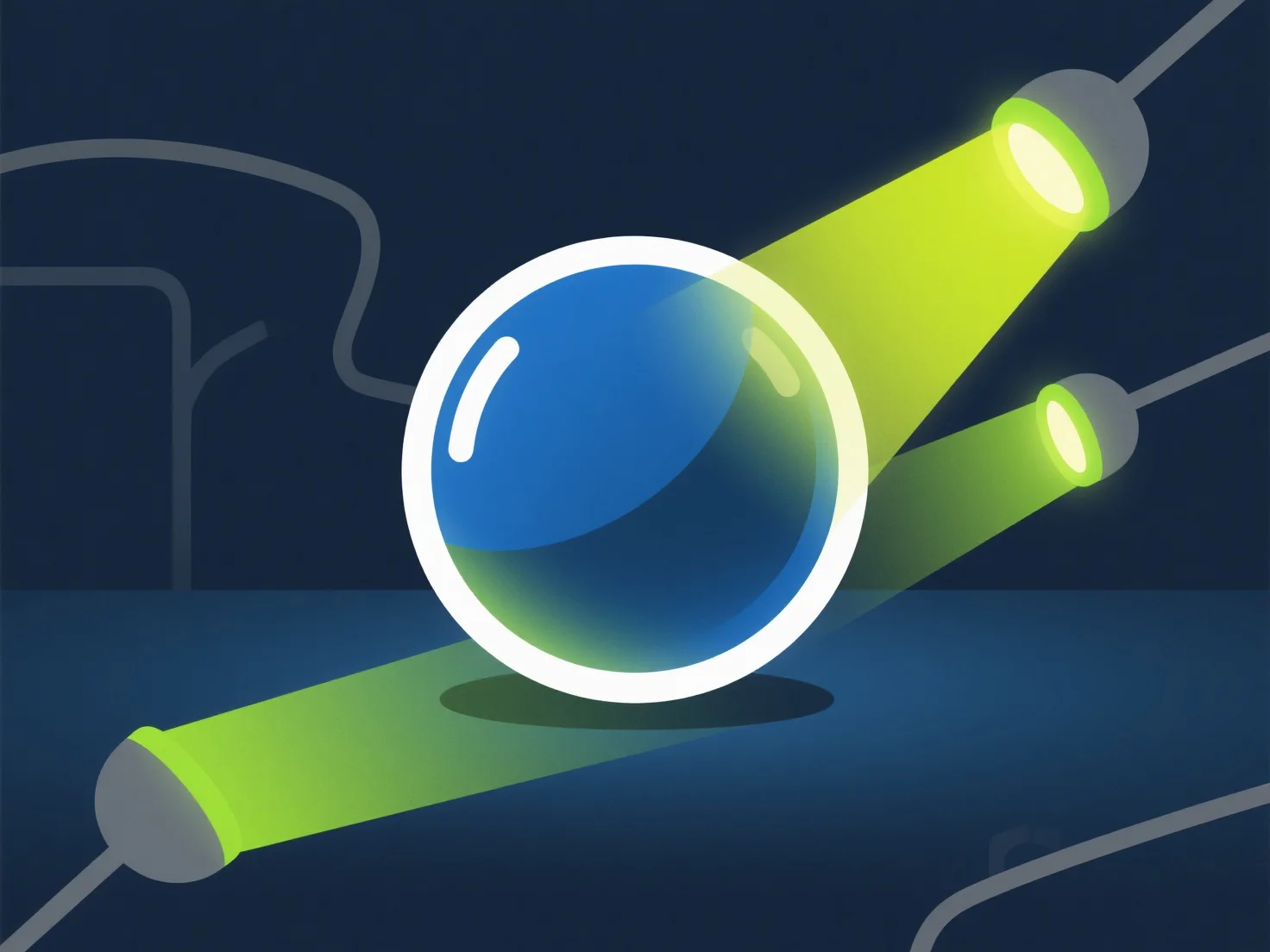
The basic principles of 3D lighting in rendering focus on simulating real-world light behavior to enhance object realism, involving key elements: light source type, intensity, color, direction, and shadow formation.
- **Light source type**: Different sources (e.g., point, directional, area lights) shape illumination—point lights emit from a single point, directional lights mimic sunlight, and area lights soften edges for naturalness. - **Intensity & color**: Brightness controls visibility, while color (warm/cool) sets mood; adjusting these creates contrast between lit and shadowed areas, highlighting details. - **Direction & shadows**: Light direction defines depth (e.g., side lighting adds dimension), and shadows ground objects, making scenes spatially coherent.
Practicing these elements in 3D tools helps achieve lifelike, professional renders.