


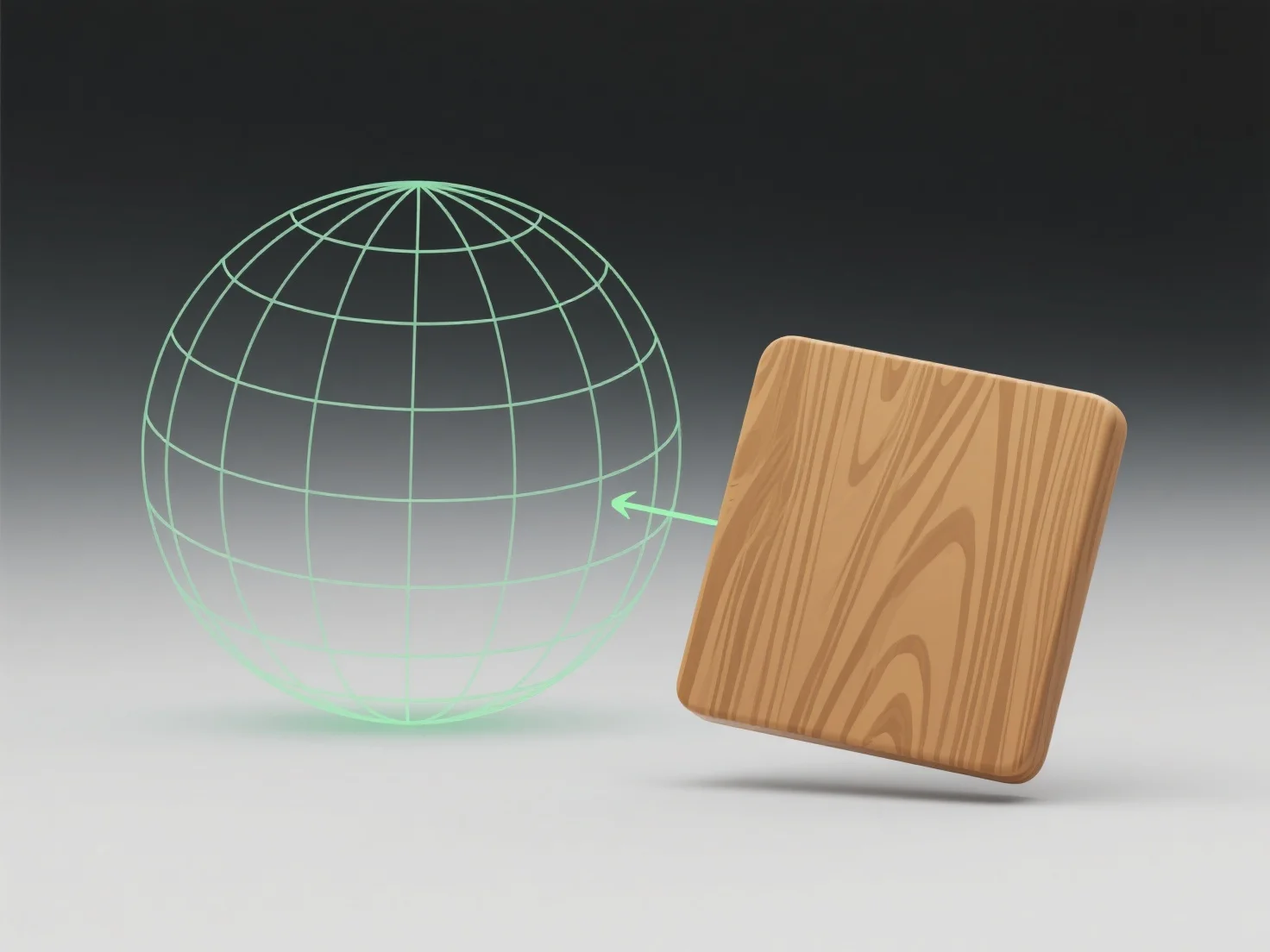
Textures in 3D files are 2D images or data maps that define surface details (e.g., color, pattern, roughness) and are applied by mapping these images onto the 3D model’s surface coordinates, enhancing realism by simulating materials like wood or metal.
Common texture types include: - Diffuse maps: Define base color (e.g., a brick wall’s red hue). - Normal maps: Simulate surface bumps/depth without adding geometry. - Specular maps: Control shininess (e.g., a metal’s reflective glow).
To apply, artists create textures using tools like Photoshop or Substance Painter, then assign them to the model’s surfaces in 3D software (Blender, Maya) to integrate visual details.
For beginners, start with simple diffuse textures (e.g., grass images) to learn how surface details affect a model’s appearance.