


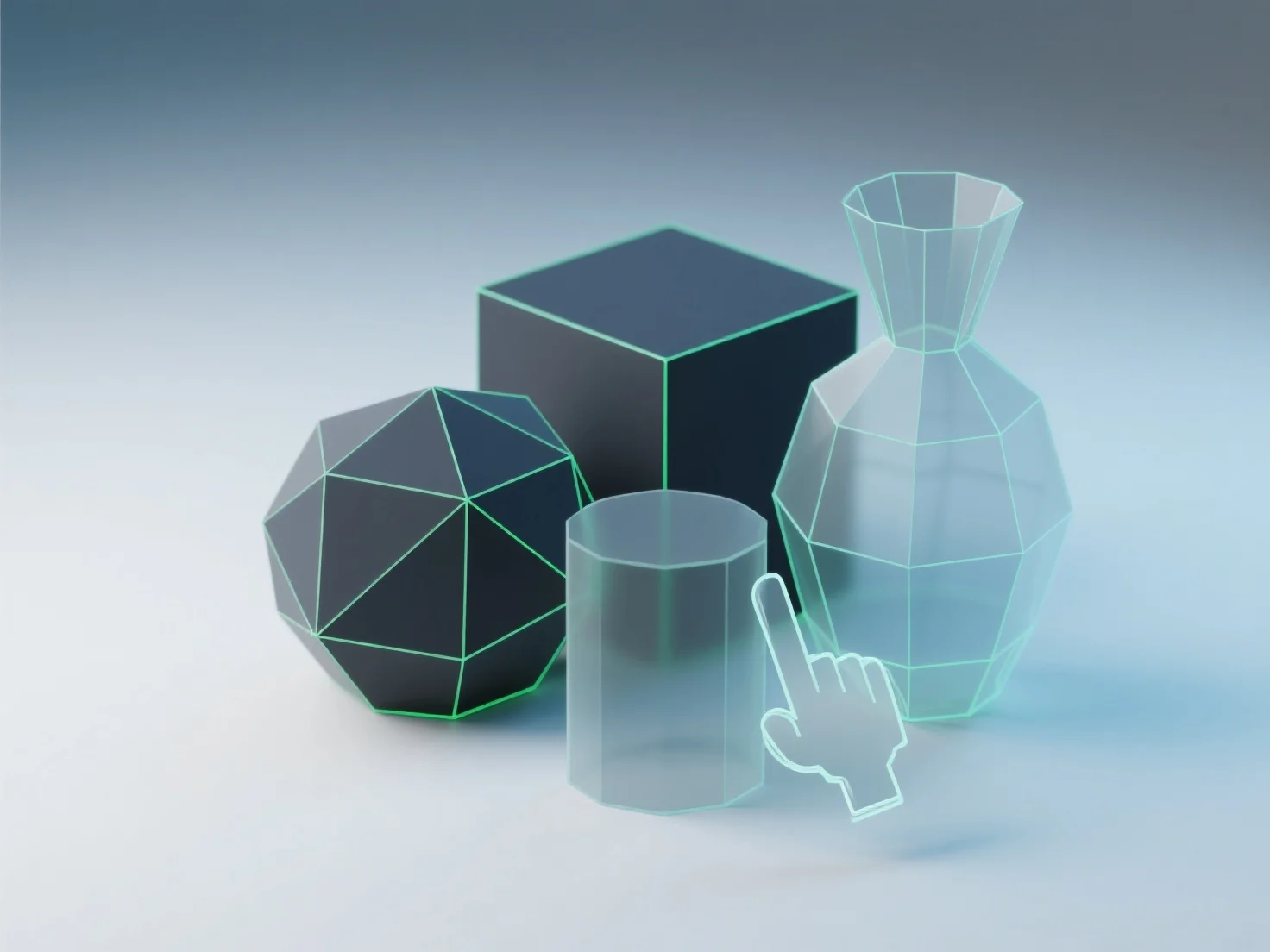
Common MVP-level 3D modeling implementations focus on core 3D creation and basic editing with simplified tools, prioritizing essential functions to validate user needs while minimizing development complexity.
Key features include: low-poly modeling (for quick shape creation), basic texture mapping (simple color/pattern application), and straightforward rendering (basic visual output without advanced effects).
Target use cases: small businesses testing product prototypes, startups validating 3D content ideas, and educators creating basic teaching models.
Tools often involve open-source software like Blender with streamlined plugins, balancing necessary functionality and development effort to keep implementation efficient.
These implementations ensure cost-effective, focused validation of 3D-related concepts without overcomplicating the initial build.