


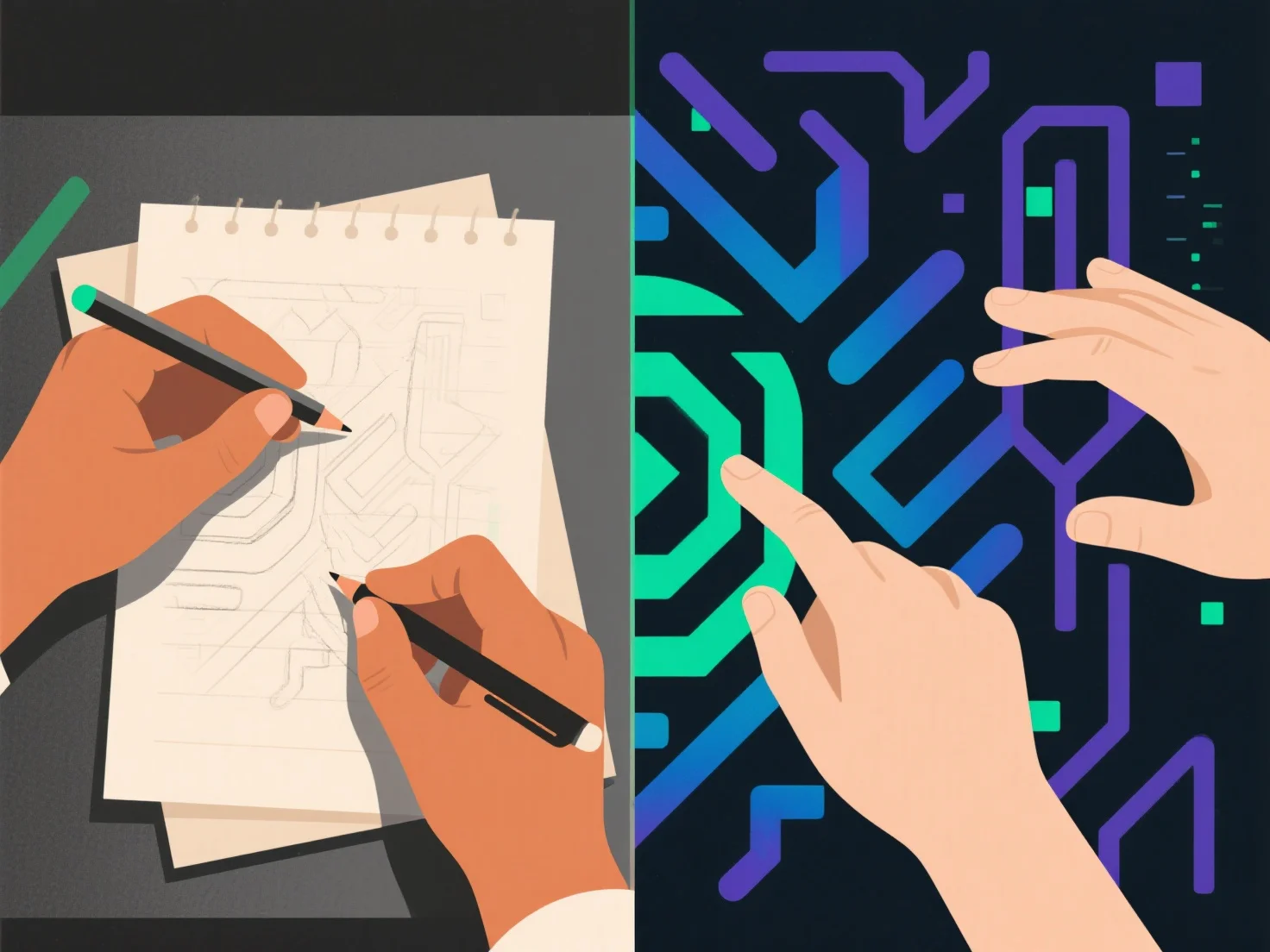
Die prozedurale Content-Generierung (PCG) verändert die Produktionsrollen, indem sie repetitive Aufgaben automatisiert und den Fokus von der manuellen Erstellung von Assets auf kreative Leitung und Systemdesign verlagert.
Es reduziert die praktische Arbeit für Rollen wie 3D-Modellierer und Umgebungs-Künstler, die nun vom Bau von Assets zum Einsatz kommen.
Zu den wichtigsten Anwendungen in der Industrie gehören: - Gaming: Umgebungs-Künstler definieren Biom-Regeln, anstatt jede Landschaft manuell zu modellieren. - Film/Animation: Requisite-Designer legen Parameter für Menschenmengen-Szenen oder Hintergrundobjekte fest und reduzieren so die Notwendigkeit von repetitiver Modellierung. - Architektur: Designer erstellen parametrische Gebäudekomponenten mithilfe von Regeln und vermeiden so die Modellierung einzelner Elemente.
Für Teams, die PCG integrieren, erleichtert die Schulung bestehender Rollen in grundlegender algorithmischer Logik oder die Zusammenarbeit mit technischen Künstlern bei der Prototyp-Entwicklung von Systemen den Übergang.