


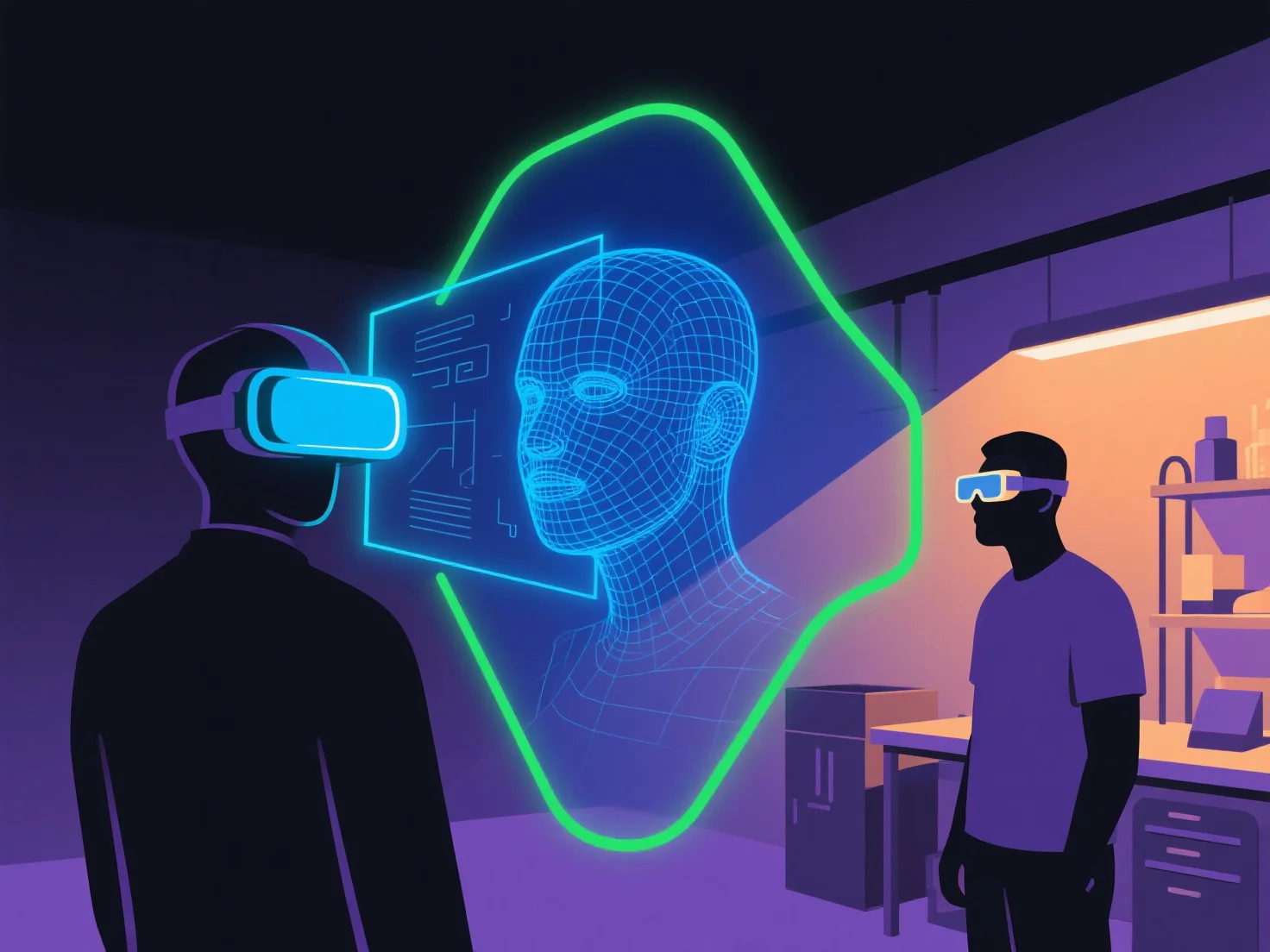
3D modeling is deployed in VR and AR solutions by creating core digital assets—such as 3D objects, environments, or characters—that systems render into immersive visual experiences. These models form the foundation for VR’s fully virtual worlds and AR’s real-world overlays, enabling interactive, realistic user interactions.
- **Foundation for immersion**: VR relies on detailed 3D models to build fully virtual worlds, while AR uses them to overlay digital elements onto reality, ensuring visual coherence between digital and physical spaces. - **Enabling interaction**: Models support user engagement, such as manipulating objects in VR games or accessing equipment details in AR training, enhancing interactivity. - **Optimizing performance**: Low-poly models are prioritized to ensure smooth rendering, critical for maintaining immersion, especially in initial prototypes.
Common applications include VR gaming (interactive environments), AR training (equipment overlays), and virtual tours (lifelike 3D spaces).