Home/Hitem3D FAQ/How does the standardization of textures impact 3D modeling quality?

How does the standardization of textures impact 3D modeling quality?

Texture standardization enhances 3D modeling quality via consistent visuals, reduced errors, and streamlined workflows.

How does the standardization of textures impact 3D modeling quality?

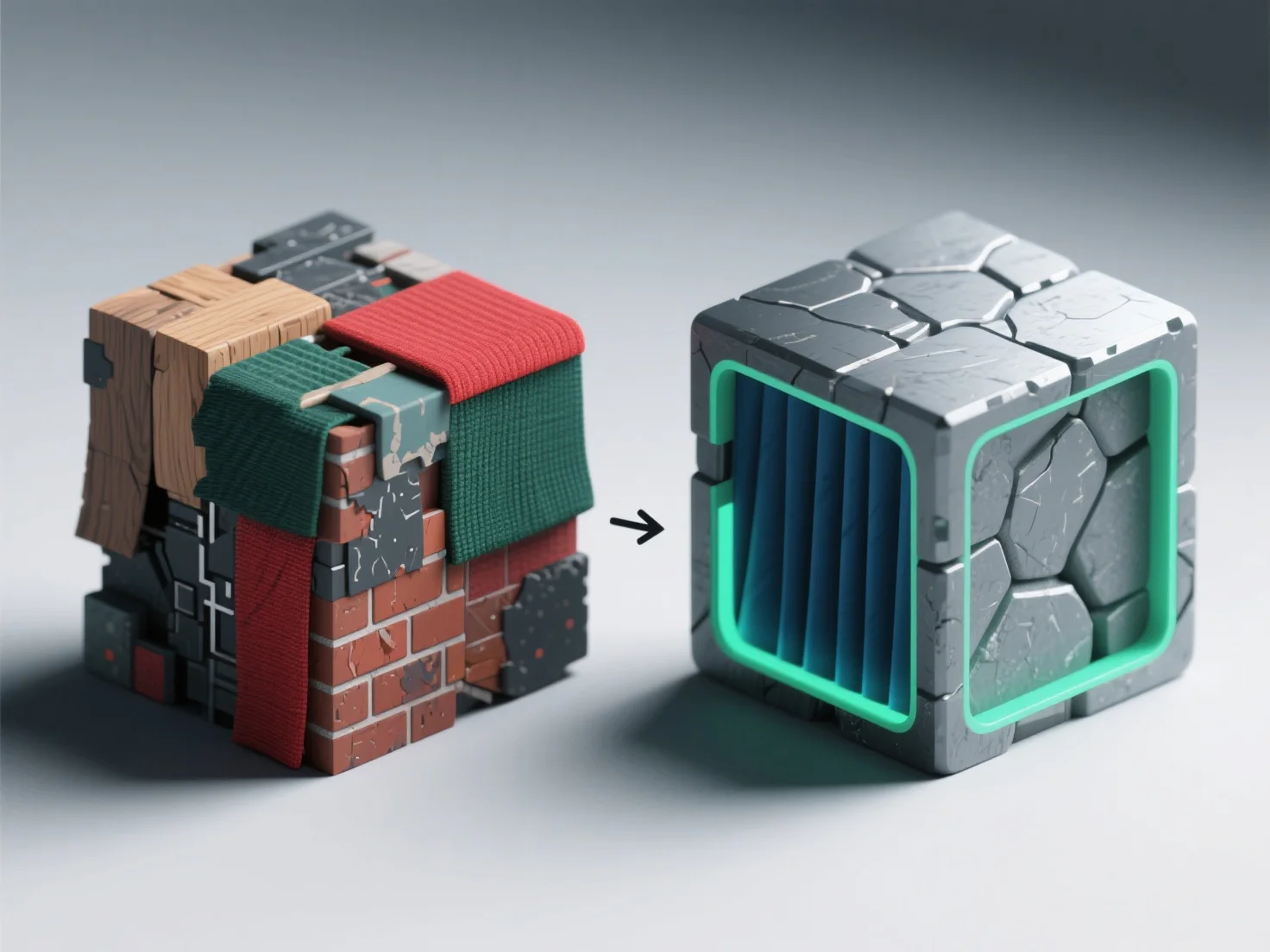
The standardization of textures significantly enhances 3D modeling quality by ensuring consistent visual output, reducing errors, and streamlining workflows. Uniform resolution, format, and naming conventions prevent visual discrepancies, keeping models coherent across scenes—critical for game environments or architectural renders where texture alignment matters. It minimizes rendering errors, like mismatched scales or format incompatibilities, ensuring textures load and display correctly, boosting model integrity. In collaborative projects, shared standards simplify asset integration, speed up edits, and reduce rework, directly improving final model quality. Overall, texture standardization is foundational for high-quality 3D models, balancing visual precision with operational efficiency.

PrevNext
Product
Web Studio
API Platform
Features
Image to 3D
Multi-view to 3D
Relief
Segmentation
Models
General Model
Portrait Model
Resource
Blog
FAQ
API Docs
About us
Pricing