


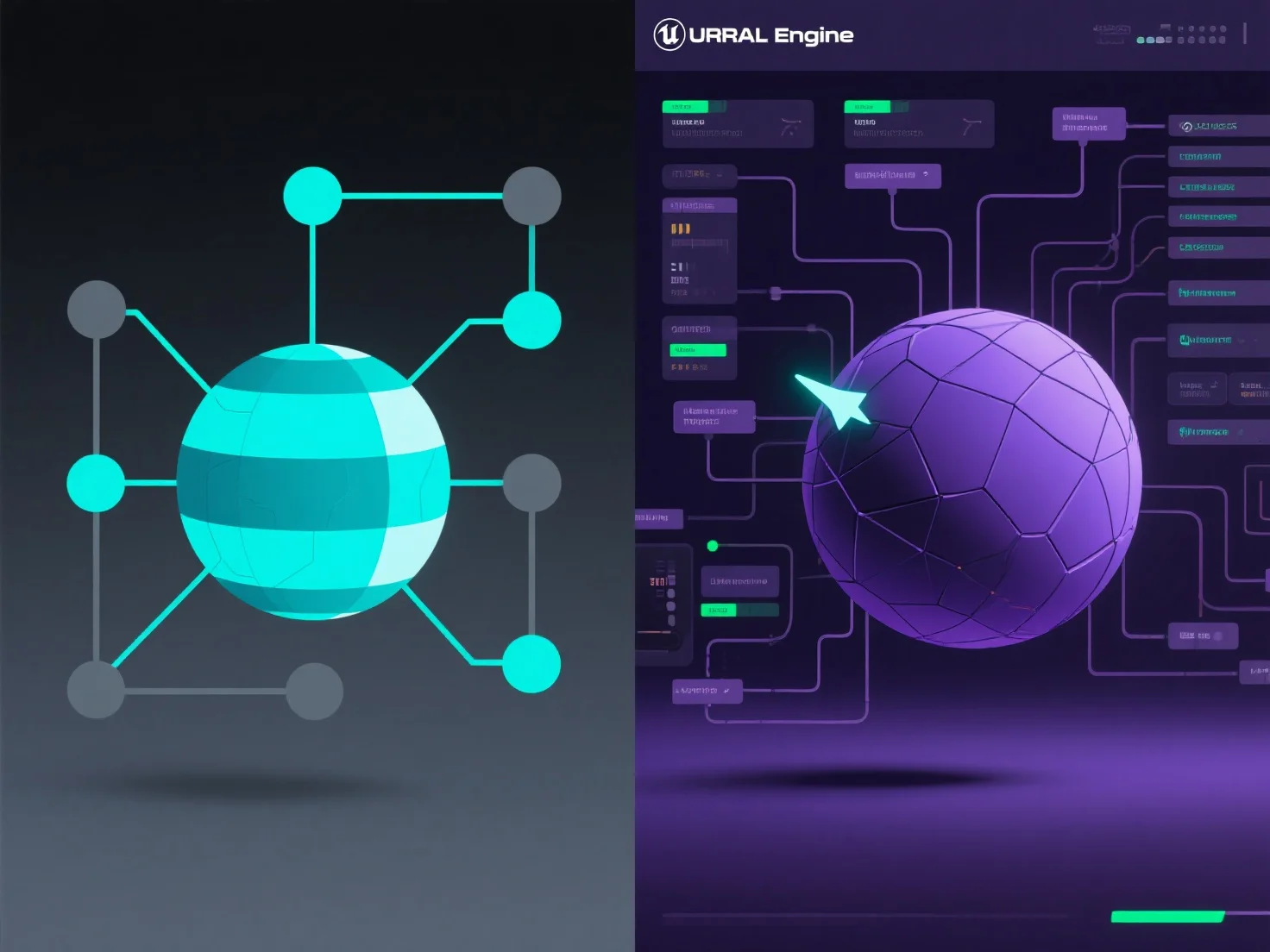
When texturing, Unity’s material system typically uses shader graphs for real-time, user-friendly adjustments, while Unreal Engine’s employs a complex node-based material editor with integrated advanced PBR parameters.
Unity prioritizes accessibility, enabling quick iteration—ideal for indie projects or beginners. Its shader graphs simplify texture setup with intuitive controls, reducing technical barriers.
Unreal, however, offers deeper customization for high-fidelity visuals, integrating advanced material functions directly in its editor. This caters to detailed, professional-grade texturing needs, like precise light interaction or complex surface effects.
In summary, Unity suits accessible, fast texturing workflows, while Unreal excels for complex, high-quality material control.