


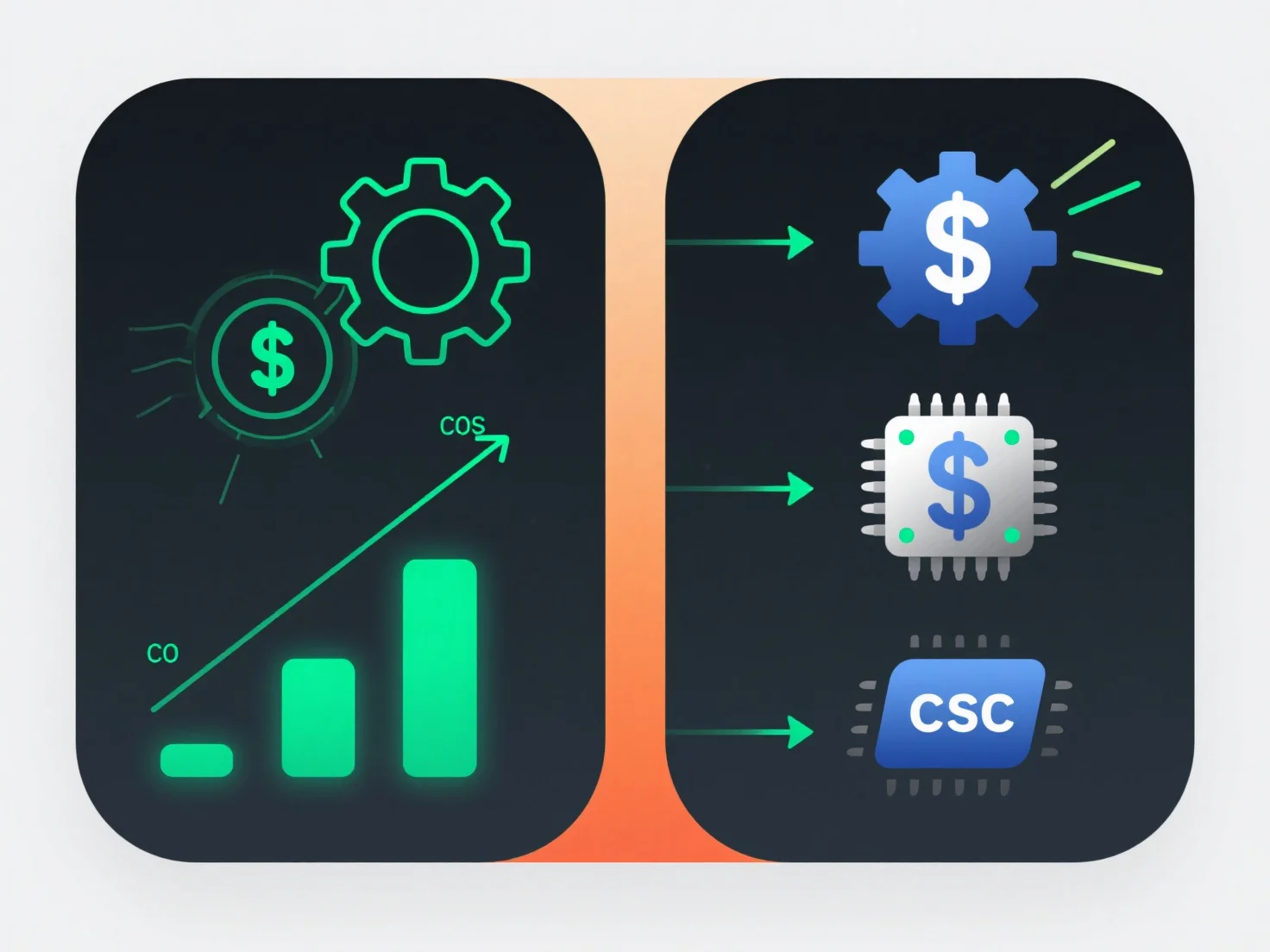
The choice of render engine affects total cost in 3D visualization mainly through hardware requirements, rendering time, and licensing fees.
Advanced engines with features like path tracing typically demand high-performance GPUs/CPUs, raising upfront hardware expenses. Faster rendering engines, however, can shorten project timelines and reduce labor costs by cutting down on rendering hours. Licensing models also play a role—subscription-based engines add recurring costs, while open-source options often eliminate licensing fees entirely.
Key scenarios include: - High-end projects (e.g., film, architectural visualization): Path-tracing engines may require expensive hardware but deliver photorealism, increasing overall costs; - Small-scale tasks (e.g., marketing images): Real-time engines with lower hardware needs and free licensing can significantly reduce expenses.
To control costs, evaluate hardware demands, rendering speed, and licensing terms to balance performance and budget.