


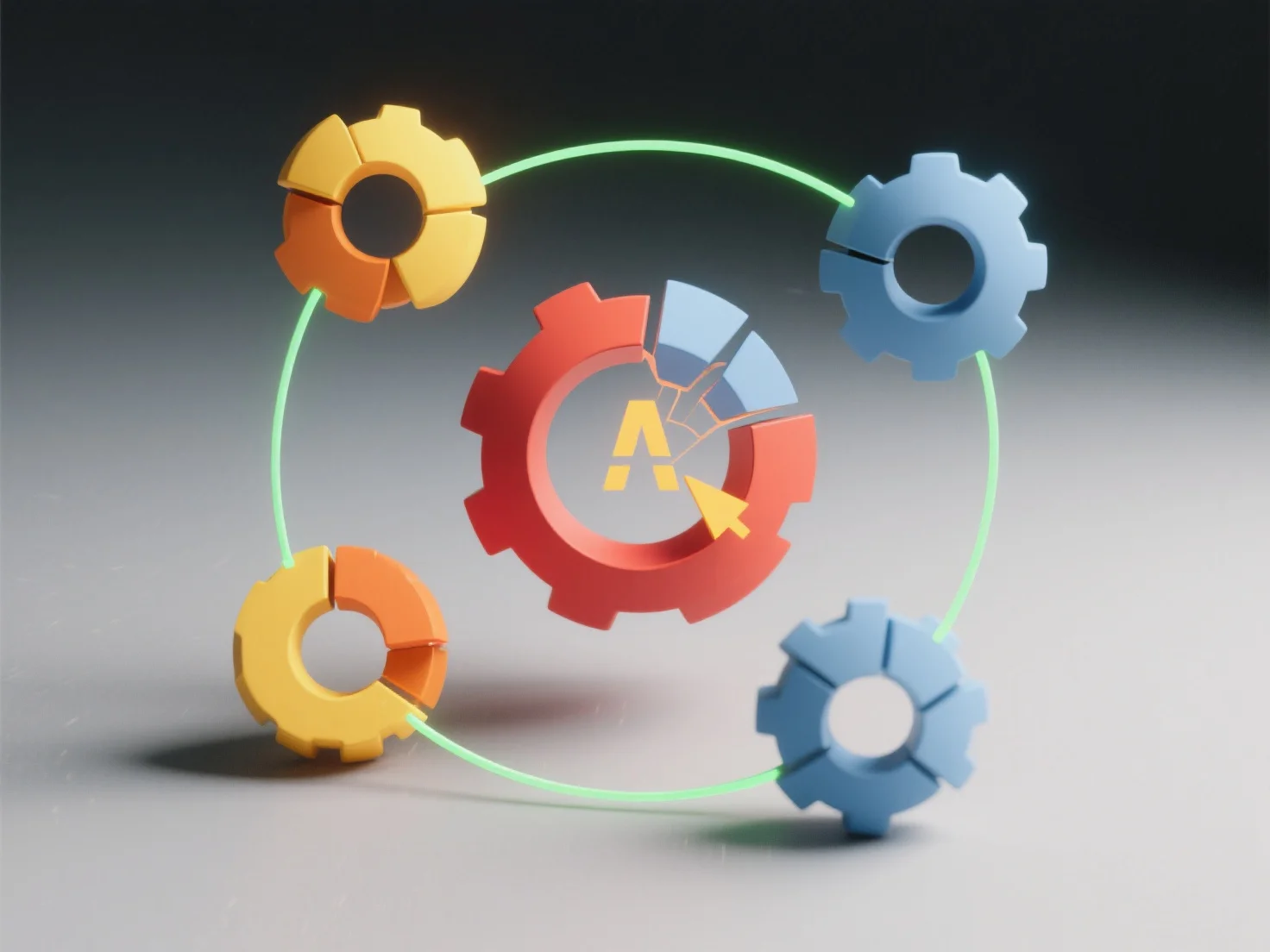
Role dependency increases risk in 3D workflows by creating bottlenecks when key roles face delays or unavailability.
3D workflows typically involve sequential tasks (e.g., modeling → texturing → rigging), where each step relies on the prior role’s output. A hold-up in one role—such as a texture artist missing a deadline—can halt the entire process, leading to project delays.
To mitigate this, teams can reduce strict sequential dependencies by cross-training members to handle multiple roles or adopting parallel task structures where feasible.