


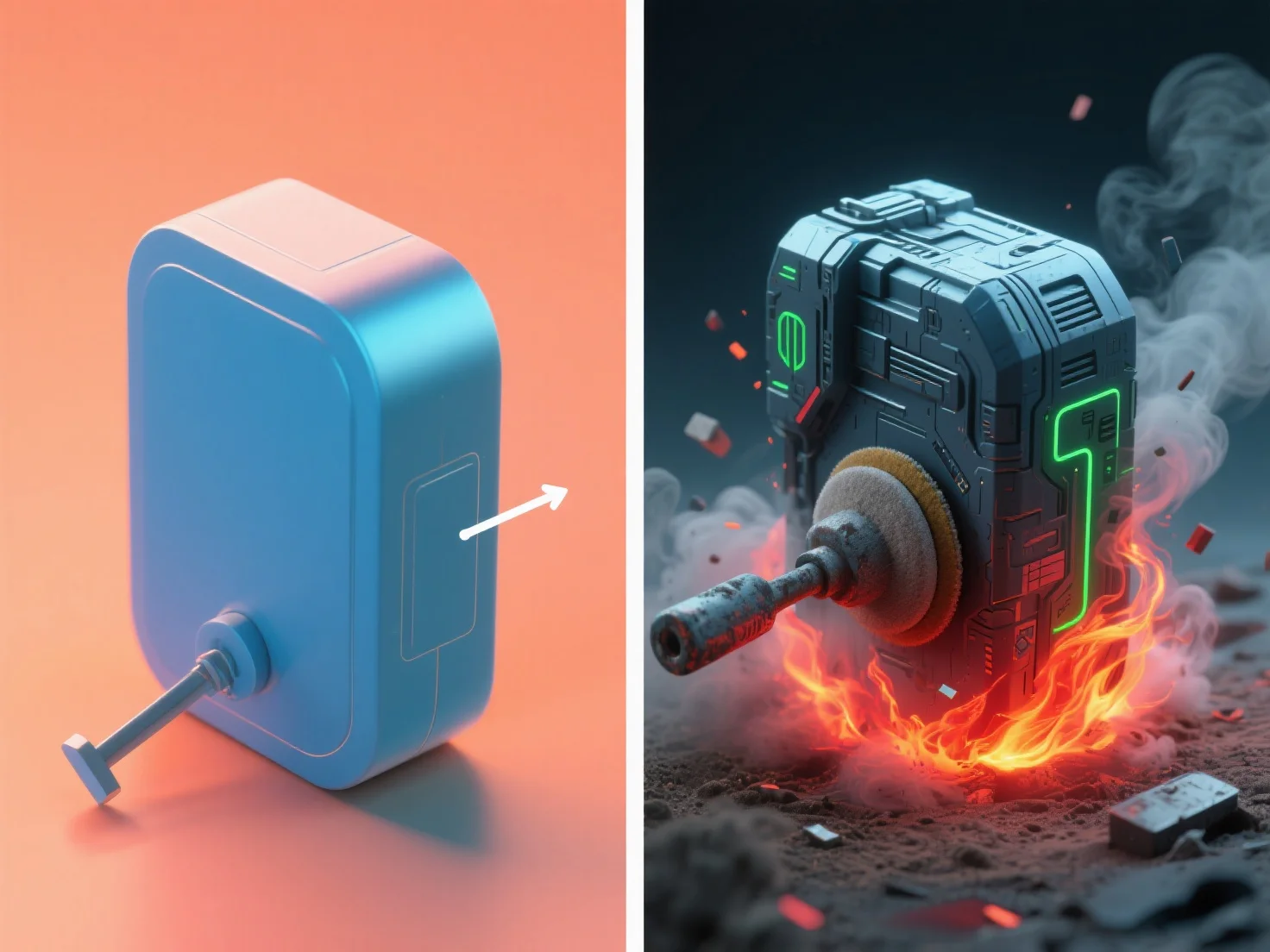
Over-polishing reduces 3D production efficiency by wasting time and computational resources on unnecessary details, slowing workflows and delaying project timelines.
- **Excessive time on non-critical details**: Artists often refine minor surface textures or geometries beyond project requirements, consuming hours that could be allocated to core tasks. - **Increased computational strain**: Over-polished models demand more processing power for rendering, leading to longer rendering times and workflow bottlenecks. - **Delayed downstream tasks**: Extended revision cycles from over-polishing slow subsequent steps like rigging or animation, disrupting the overall production schedule.
Establishing clear detail standards per project phase helps balance quality and efficiency, avoiding these pitfalls.