


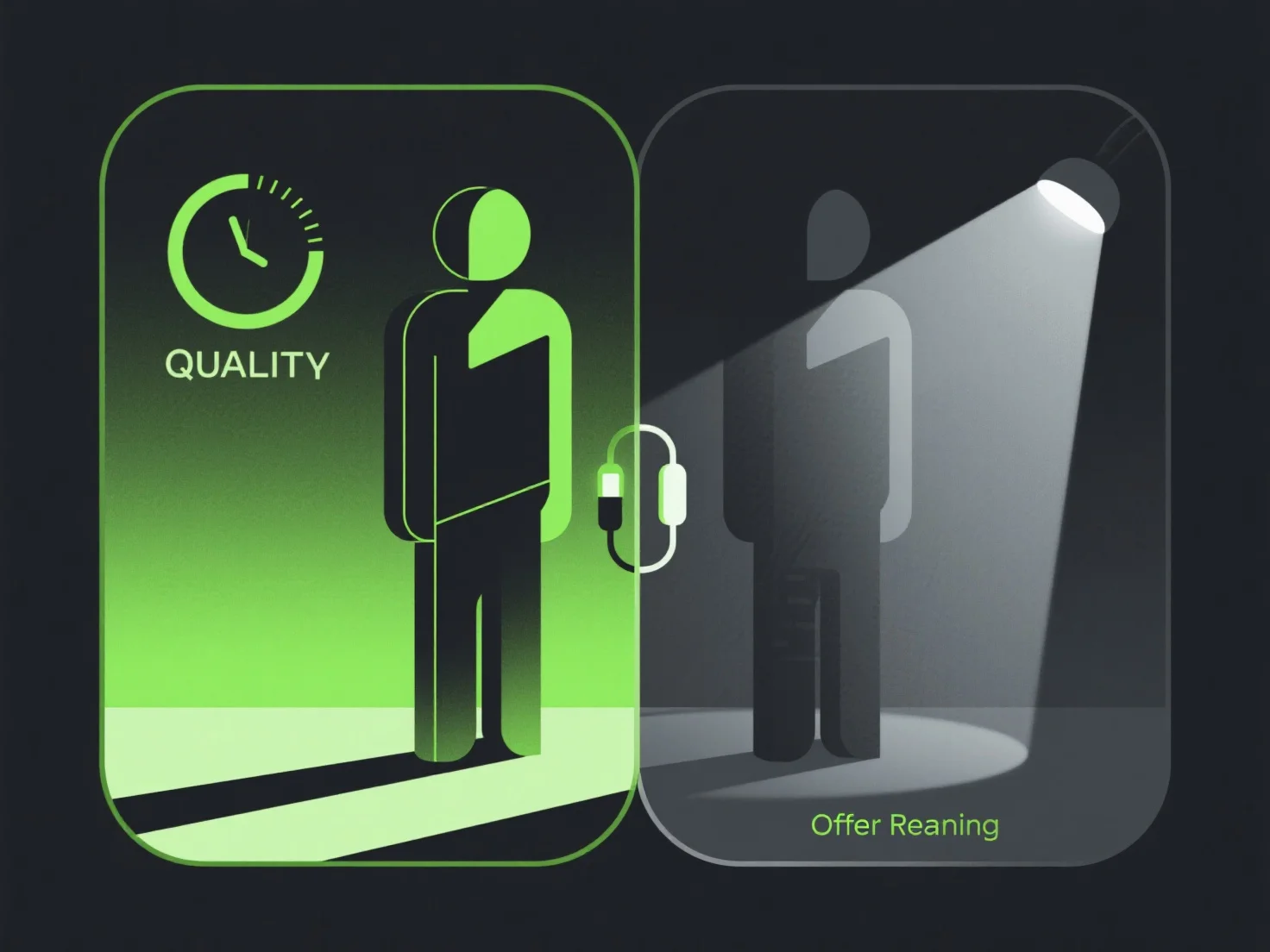
In real-time rendering, lighting prioritizes speed for instant visual feedback, while offline rendering focuses on accuracy and complexity for high-quality results.
Real-time often uses simplified methods like baked lighting or approximate algorithms to meet frame rate demands (e.g., 30-60 FPS), ensuring smooth interaction.
Offline rendering, unconstrained by time, employs detailed techniques such as ray tracing with more light samples, capturing subtle effects like soft shadows or color bleeding.
Usually, real-time sacrifices some realism for performance, while offline achieves photorealism through intensive computation.