


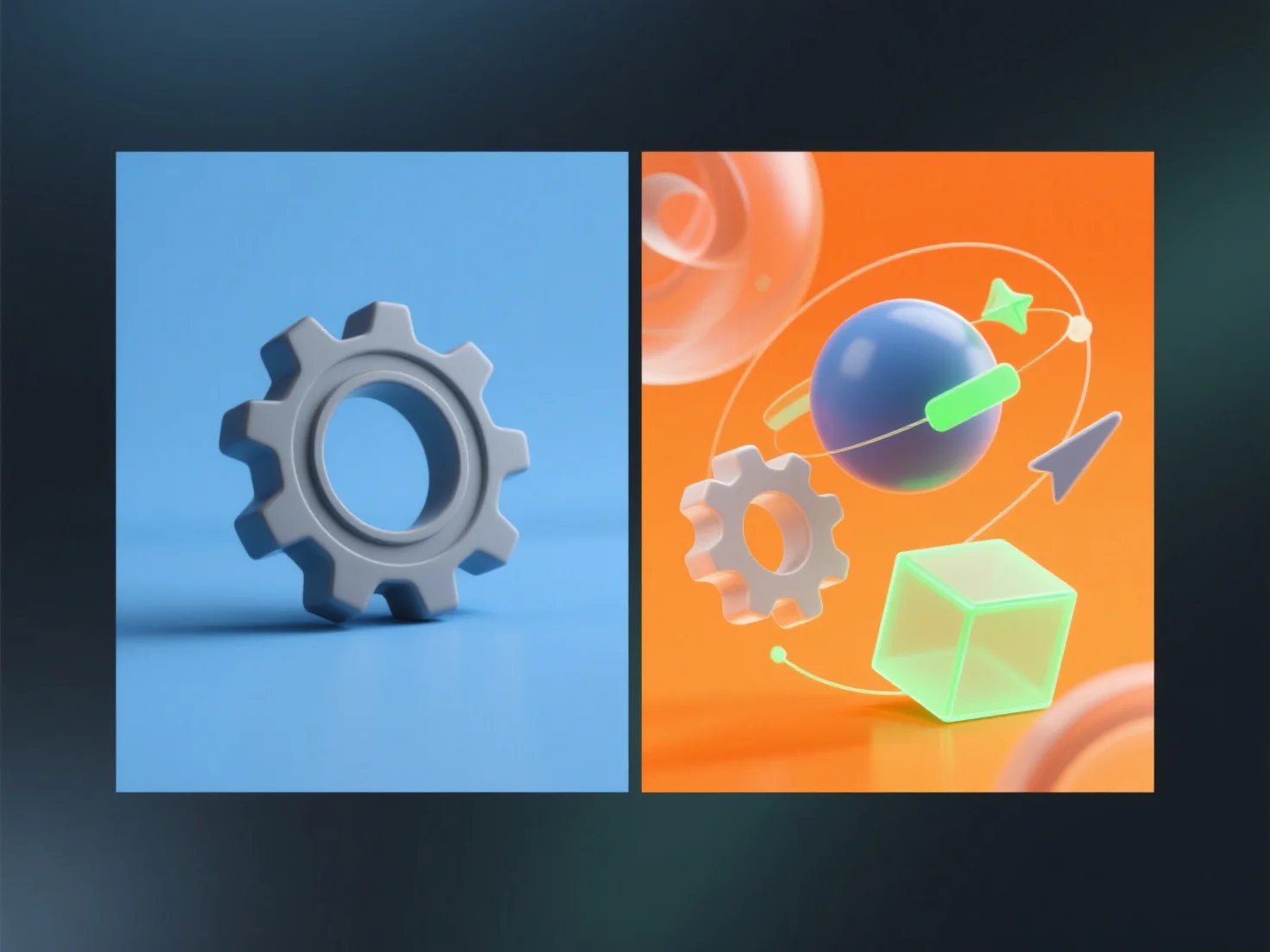
Interaktive 3D-Präsentationen unterscheiden sich von statischen 3D-Bildern dadurch, dass sie eine Echtzeit-Benutzerinteraktion ermöglichen, während statische Bilder feste visuelle Darstellungen sind.
Interaktives 3D erlaubt es Benutzern, Modelle zu drehen, zu zoomen oder zu modifizieren, was das Engagement und das Verständnis verbessert, während statische 3D-Bilder nur eine einzige, unveränderbare Perspektive zeigen.
Für Szenarien, die eine detaillierte Erkundung erfordern, wie Produktdemos oder Bildungsmodelle, ist interaktives 3D effektiver; statische 3D-Bilder eignen sich besser für schnelle visuelle Referenzen oder Marketingmaterialien.