


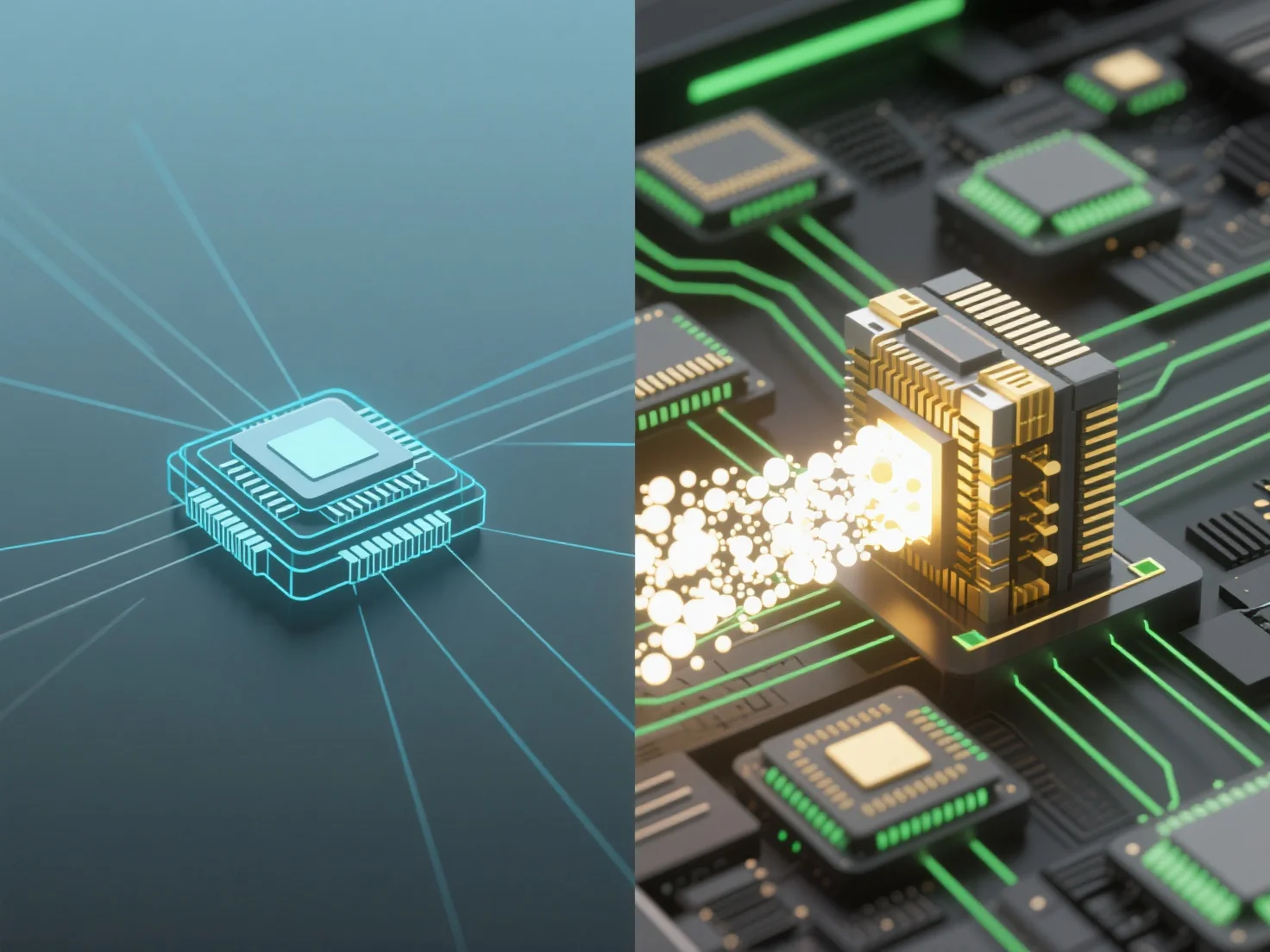
GPU-Beschleunigung verbessert das 3D-Rendering, indem sie parallele Verarbeitung nutzt, um komplexe Grafikaufgaben effizienter als CPUs zu bewältigen, wodurch die Renderingzeit erheblich reduziert und die Ausgabequalität verbessert wird.
- Parallele Verarbeitungsleistung: GPUs verfügen über Tausende von Kernen, die die gleichzeitige Ausführung mehrerer Grafikaufgaben ermöglichen, wie z. B. das Rendern von Polygonen, das Anwenden von Texturen und die Berechnung von Lichteffekten. Im Gegensatz zu CPUs, die sich auf sequenzielle Verarbeitung konzentrieren. - Effiziente Verarbeitung visueller Daten: Sie zeichnen sich durch die schnelle Verarbeitung großer Mengen visueller Daten aus und unterstützen flüssige Echtzeit-Vorschauen während des Designs sowie schnellere endgültige Render-Ergebnisse für 3D-Projekte. - Software-Synergie: In Kombination mit GPU-optimierter Rendering-Software steigert dies die Effizienz des Workflows weiter und ermöglicht es Künstlern, schneller zu iterieren und qualitativ hochwertige Ergebnisse zu liefern.
Zusammenfassend lässt sich sagen, dass die GPU-Beschleunigung das 3D-Rendering durch parallele Verarbeitung, effiziente Datenverarbeitung und Softwareoptimierung rationalisiert und somit für eine schnelle, hochwertige 3D-Grafikproduktion unverzichtbar ist.