


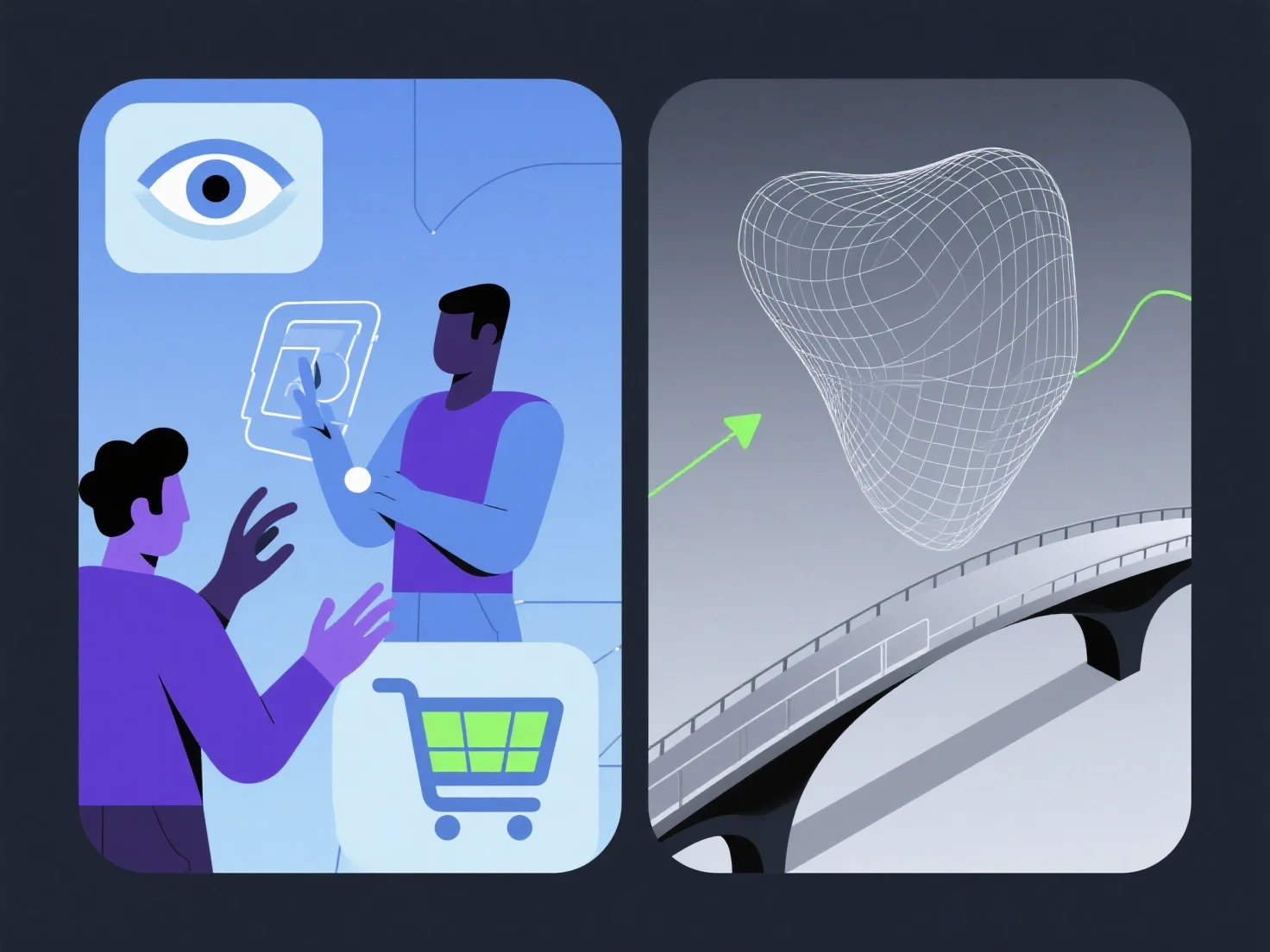
Das Verbraucherverhalten beeinflusst das Design von 3D-Anwendungen direkt, indem es die zentralen Bedürfnisse der Nutzer, Interaktionsmuster und Prioritäten der Funktionen prägt.
Hauptelemente umfassen: - **Präferenzen**: Leitet zu einem intuitiven Interface-Design, z. B. vereinfachte Menüs für Gelegenheitsnutzer oder erweiterte Tools für Profis. - **Nutzungsgewohnheiten**: Bestimmt die Plattformoptimierung. Z. B. touch-optimierte Steuerelemente für mobile Nutzer im Vergleich zu Tastaturkürzeln für Desktop-Workflows. - **Schwierigkeiten**: Fördert Funktionen zur Problemlösung, wie automatisierte Modellanpassungen, um Frustration durch komplexe manuelle Bearbeitungen zu reduzieren.
Durch die Abstimmung des Designs auf diese Verhaltensanalysen werden 3D-Anwendungen benutzerzentrierter und verbessern so das Engagement und die Zufriedenheit.