


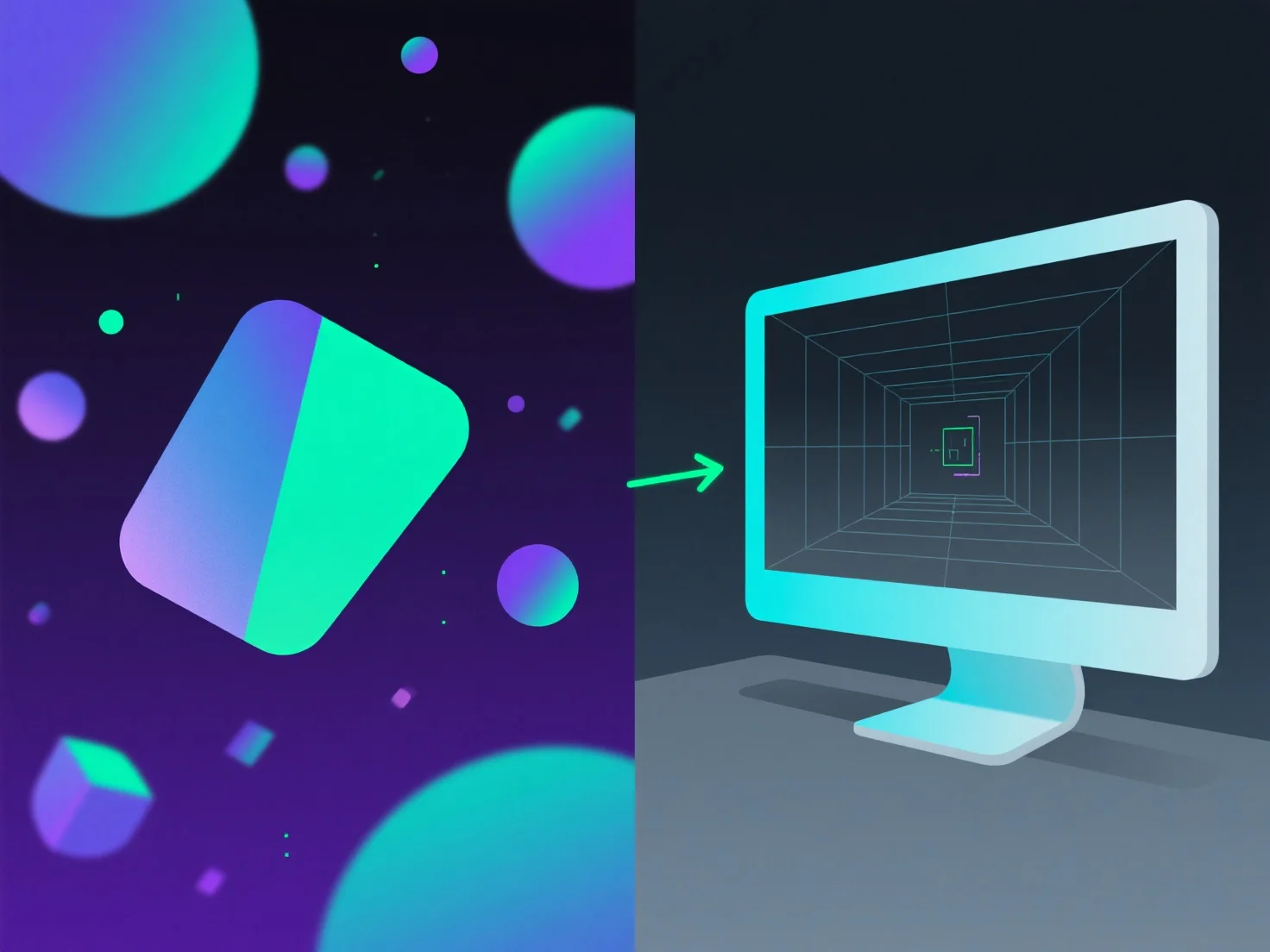
A implementação de AR/VR 3D difere do 3D padrão da web principalmente no nível de imersão, dependência de hardware e escopo de interação.
- Imersão: AR/VR foca-se na criação de experiências espaciais profundamente imersivas que misturam ou substituem o mundo real, enquanto a web 3D padrão fornece a visualização de conteúdo 3D em ambientes de navegador 2D. - Hardware: AR/VR requer frequentemente head-mounted displays (HMDs) ou sensores móveis para rastreamento, enquanto a web 3D depende de tecnologias web como WebGL, que funciona em dispositivos padrão sem hardware especializado. - Interação: AR/VR permite a interação espacial em tempo real com objetos virtuais, enquanto a interação da web 3D é tipicamente limitada a controlos básicos.
Resumindo, a web 3D padrão oferece acessibilidade multiplataforma com baixas barreiras de hardware, enquanto a AR/VR 3D se destaca por experiências imersivas e interativas.