


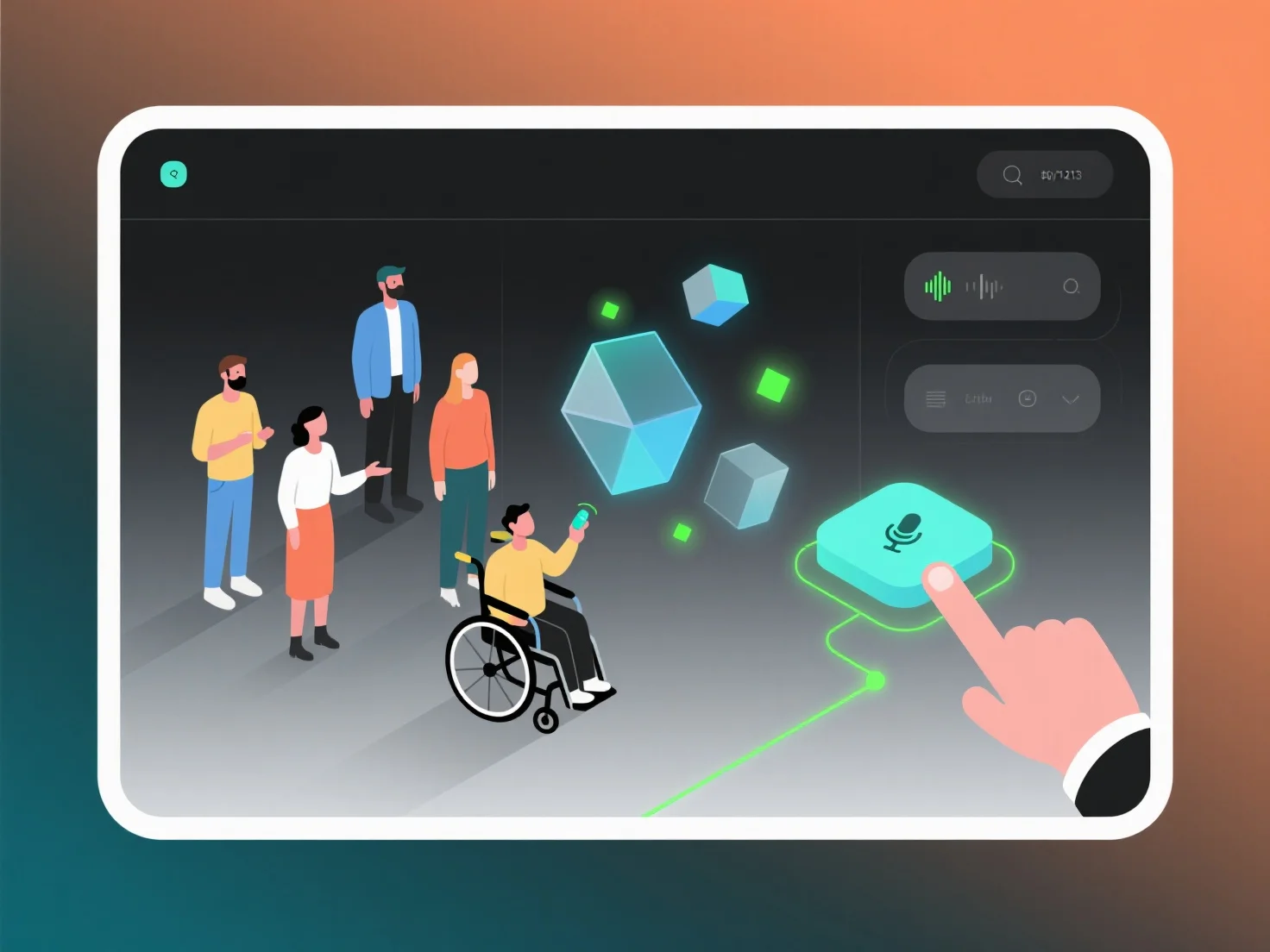
Improved accessibility of 3D tools and models accelerates future 3D adoption by lowering entry barriers, enabling broader use beyond specialists.
Key accessibility factors include simplified software interfaces (reducing technical complexity), affordable hardware (e.g., budget 3D printers), and intuitive learning resources (tutorials, templates), making 3D technology usable for non-experts.
Common adoption scenarios: Education (teachers/students creating lesson models without advanced skills), small businesses (designing prototypes with user-friendly tools), and individual creators (hobbyists 3D printing via streamlined workflows).
To drive adoption, prioritize platforms offering free basic versions or guided tutorials to minimize initial learning and cost hurdles.