


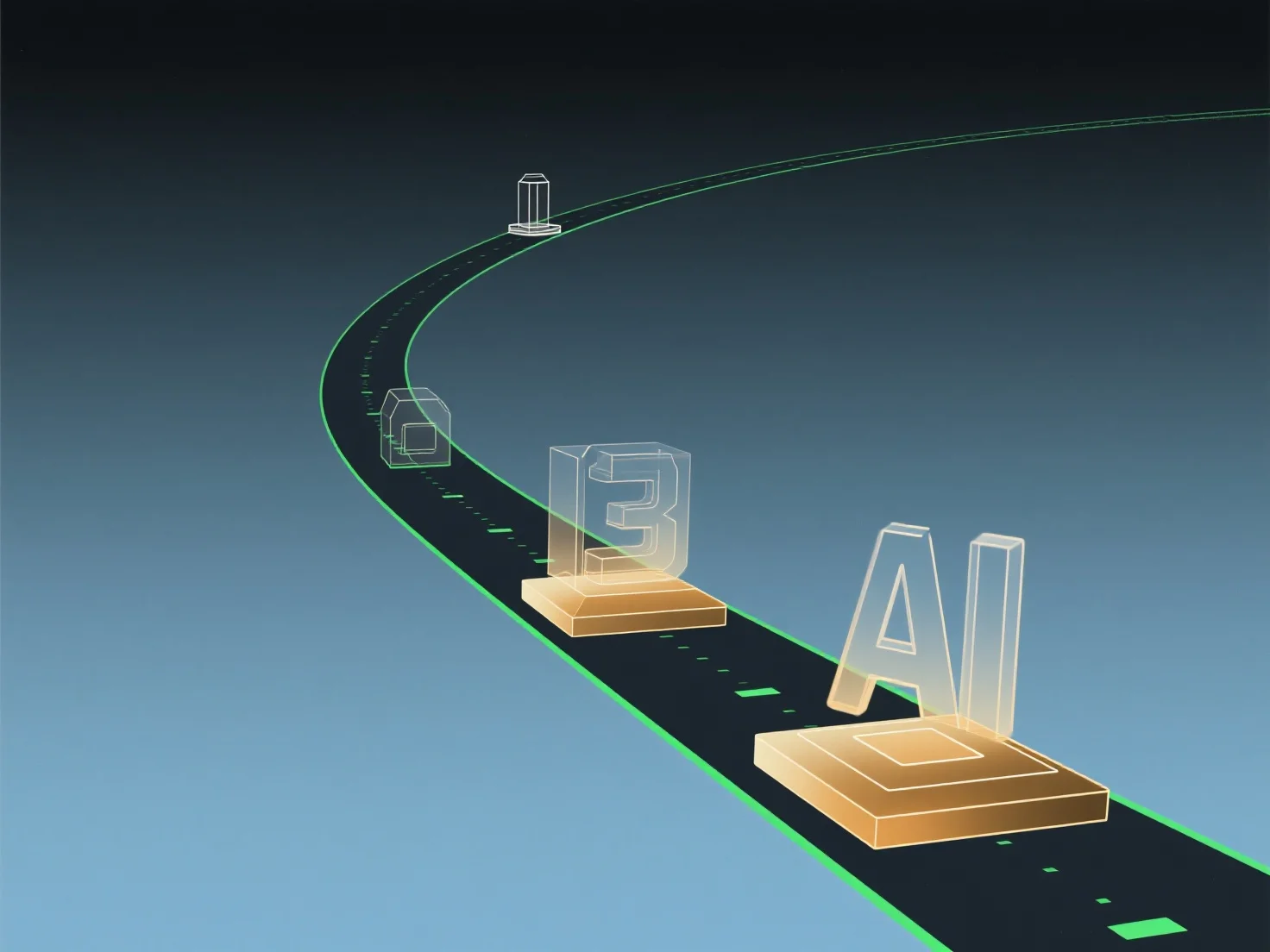
3D update frequency directly impacts long-term costs: excessive updates increase ongoing expenses, while infrequent updates may lead to costly overhauls later.
- High frequency: Raises costs through repeated design labor (for revisions), ongoing software subscription fees, and expanded storage needs for updated data. - Low frequency: Risks outdated models, requiring large-scale, expensive overhauls later to meet new requirements or standards.
To balance costs, focus updates on critical components (e.g., core design details) and minimize non-essential revisions, aligning accuracy with long-term affordability.