


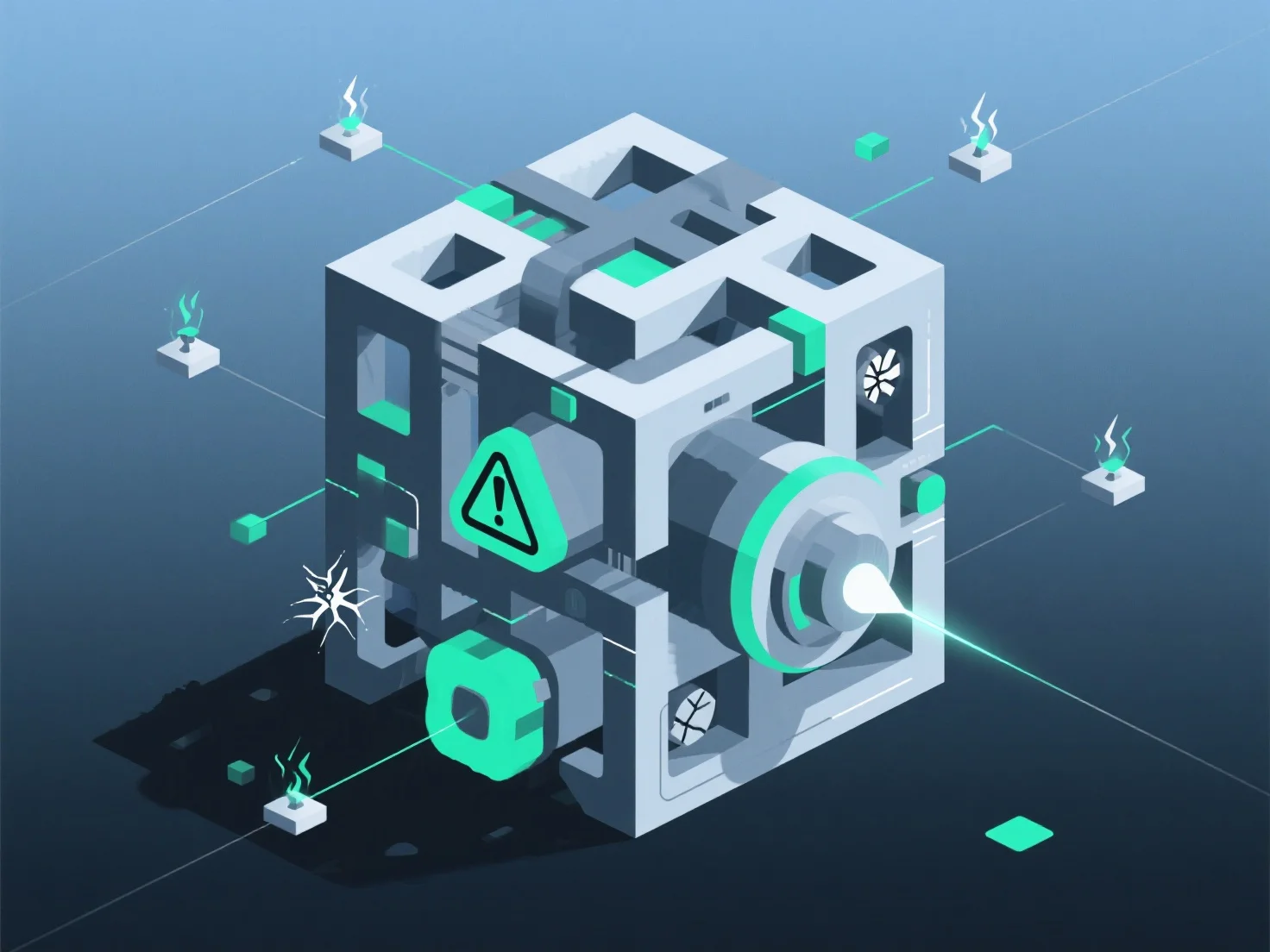
Die Komplexität von 3D-Lösungen erhöht direkt das Implementierungsrisiko. Dies liegt daran, dass komplexe 3D-Lösungen mehr voneinander abhängige Komponenten, längere Entwicklungszyklen und höhere Anforderungen an die technische Integration beinhalten, was die Wahrscheinlichkeit von Verzögerungen, Kostenüberschreitungen oder Leistungsproblemen erhöht.
Wichtige Risikofaktoren umfassen: - Interdependente Komponenten: Mehr Teile erhöhen die Wahrscheinlichkeit von Integrationsfehlern. - Verlängerte Zeitpläne: Fortgeschrittene Funktionen (z. B. Echtzeit-Rendering) erfordern eine längere Entwicklungs- und Testphase. - Spezialisiertes Fachwissen: Nischenkenntnisse für komplexe 3D-Funktionen können zu Ressourcenengpässen führen.
Um dies zu mildern, können Teams phasenweise Rollouts durchführen oder mit vereinfachten Versionen beginnen, um das Risiko zu reduzieren.