


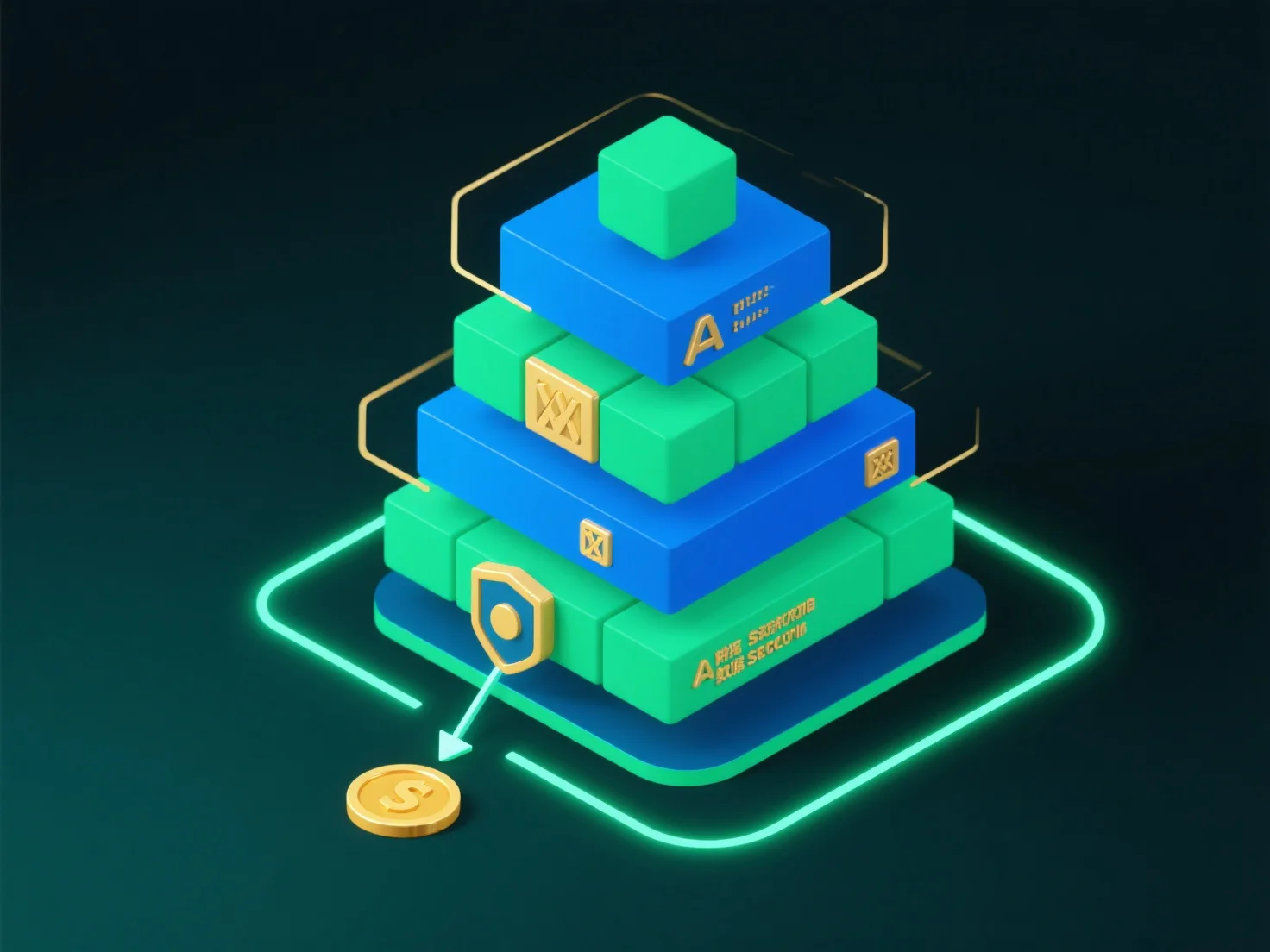
3D security requirements generally drive up technical spending by necessitating investments in specialized tools, infrastructure, and ongoing maintenance.
Specialized encryption tools are often required, as 3D models frequently contain sensitive data (e.g., design specs or intellectual property), demanding advanced encryption to prevent unauthorized access or breaches.
Access control systems tailored to 3D workflows also increase costs, ensuring only authorized users can modify or access models, which may require upgrading existing infrastructure.
Additionally, regular vulnerability testing for 3D-specific risks—such as file corruption or unauthorized modifications—calls for dedicated testing tools and resources.
These combined needs—encryption, access controls, and testing—result in higher technical spending as organizations secure their 3D assets effectively.