


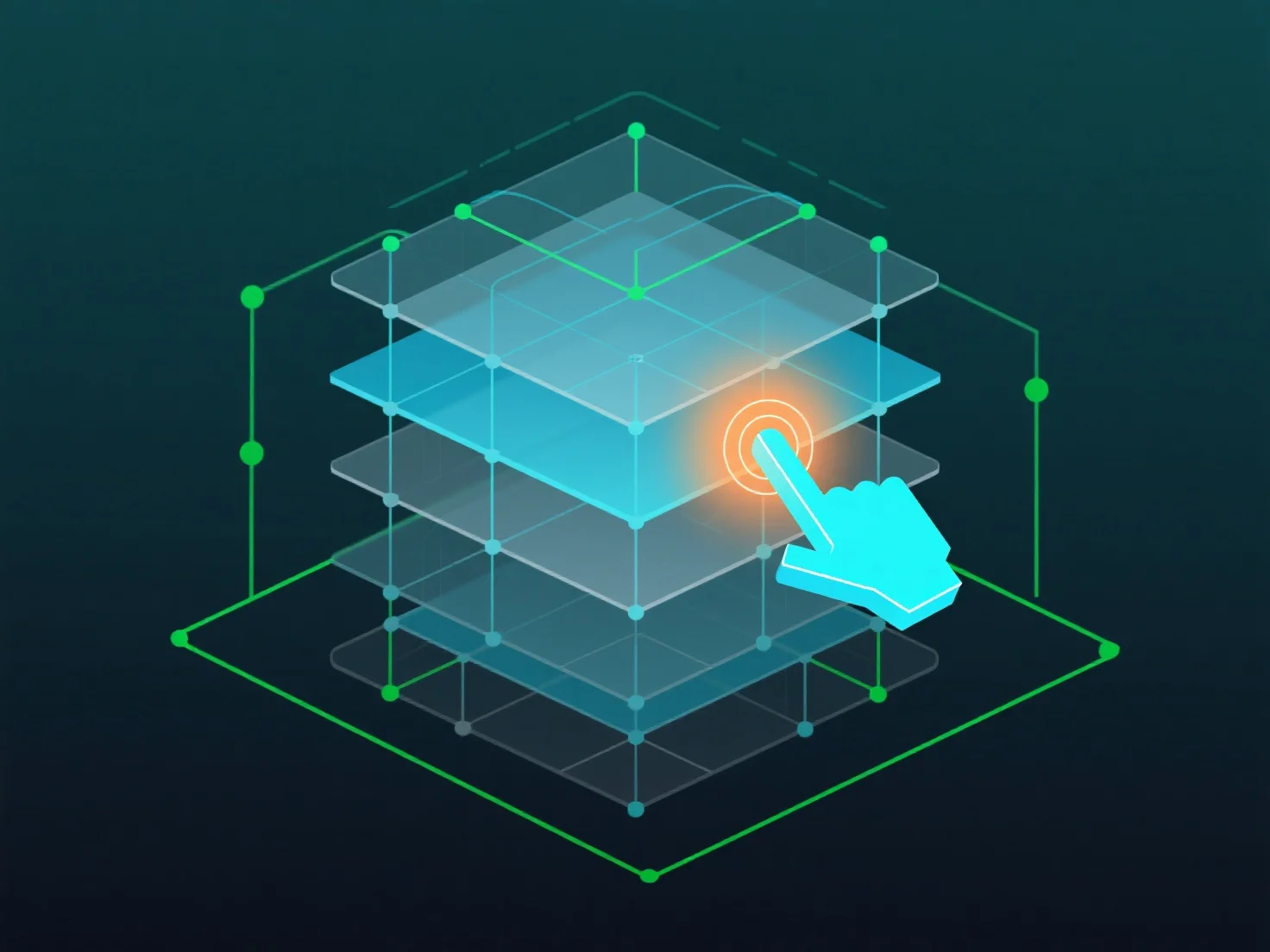
Increasing 3D performance optimization complexity directly raises project risks, including delays, quality degradation, and resource overruns.
Key risk factors include: - Balancing conflicting variables (e.g., polygon count, texture resolution, shader efficiency) heightens the chance of unforeseen conflicts during implementation. - Complex optimizations often reveal hidden bottlenecks, such as hardware incompatibility or runtime instability, during testing. - Over-optimization may force trade-offs, sacrificing visual fidelity or feature functionality to meet performance targets.
To mitigate these, breaking tasks into small, testable phases helps identify issues early, reducing overall risk.