


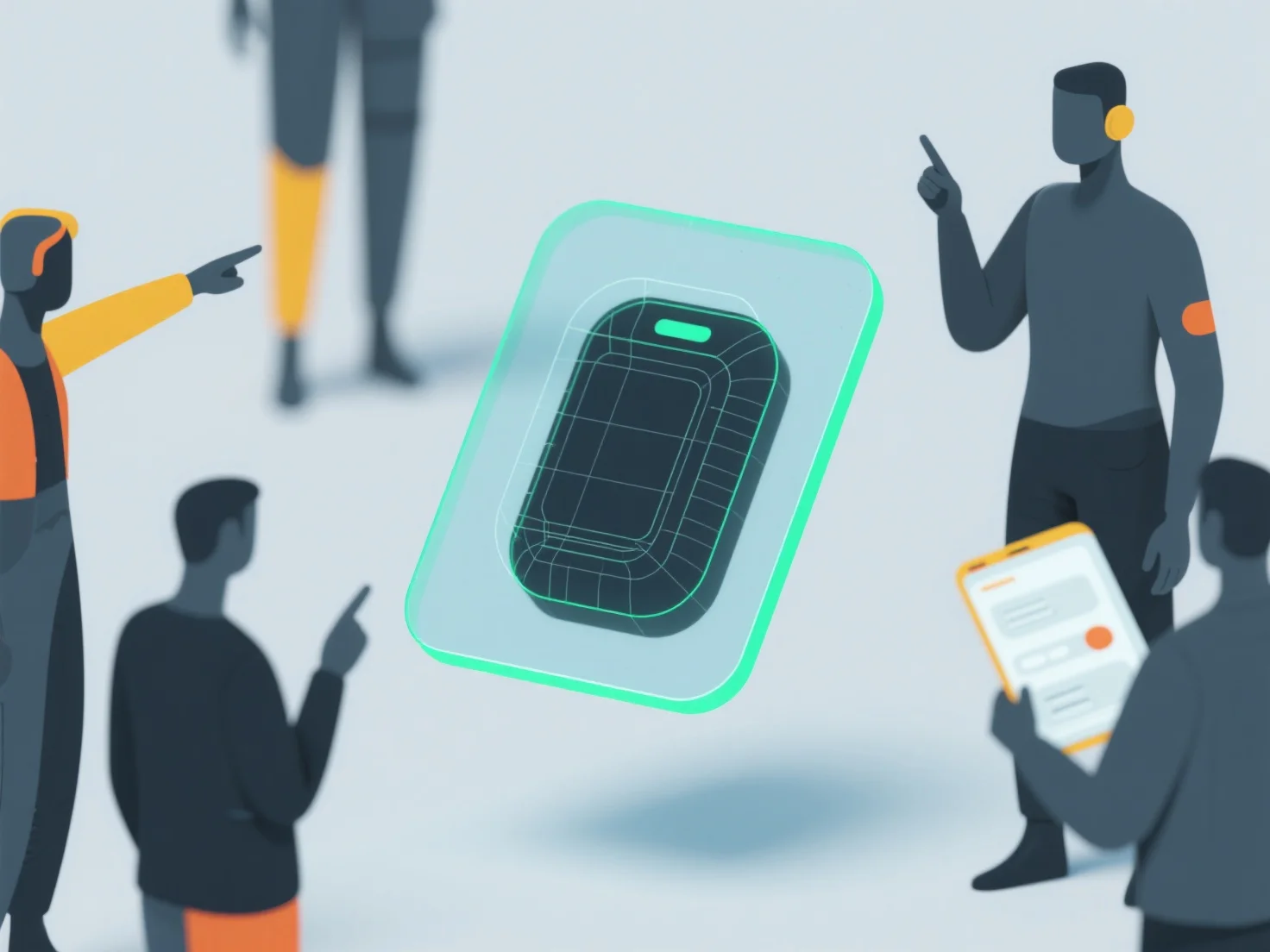
3D-Modellierung unterstützt nutzerzentrierte Designprinzipien, indem sie eine greifbare Visualisierung der Nutzerbedürfnisse, eine iterative Verfeinerung basierend auf Feedback und frühe Nutzertests ermöglicht, um sicherzustellen, dass Produkte mit der Benutzerfreundlichkeit und den Erwartungen der Nutzer übereinstimmen.
- **Greifbare Visualisierung**: Sie transformiert abstrakte Benutzeranforderungen in konkrete 3D-Modelle, wodurch Produktformen, Funktionen und Interaktionen für Designer und Benutzer gleichermaßen intuitiv verständlich werden.
- **Iterative Verfeinerung**: Designer können 3D-Modelle schnell basierend auf dem Feedback der Nutzer anpassen, was eine kontinuierliche Optimierung der Benutzerfreundlichkeit ohne größere Nacharbeiten ermöglicht und sicherstellt, dass das Design auf die Bedürfnisse der Nutzer ausgerichtet ist.
- **Frühe Benutzertests**: 3D-Prototypen ermöglichen frühe Benutzertests und helfen dabei, Schwachstellen zu identifizieren.
Zusammenfassend verbindet die 3D-Modellierung die Bedürfnisse der Nutzer mit der Designausführung und verbessert die Effizienz und Effektivität der nutzerzentrierten Designimplementierung.