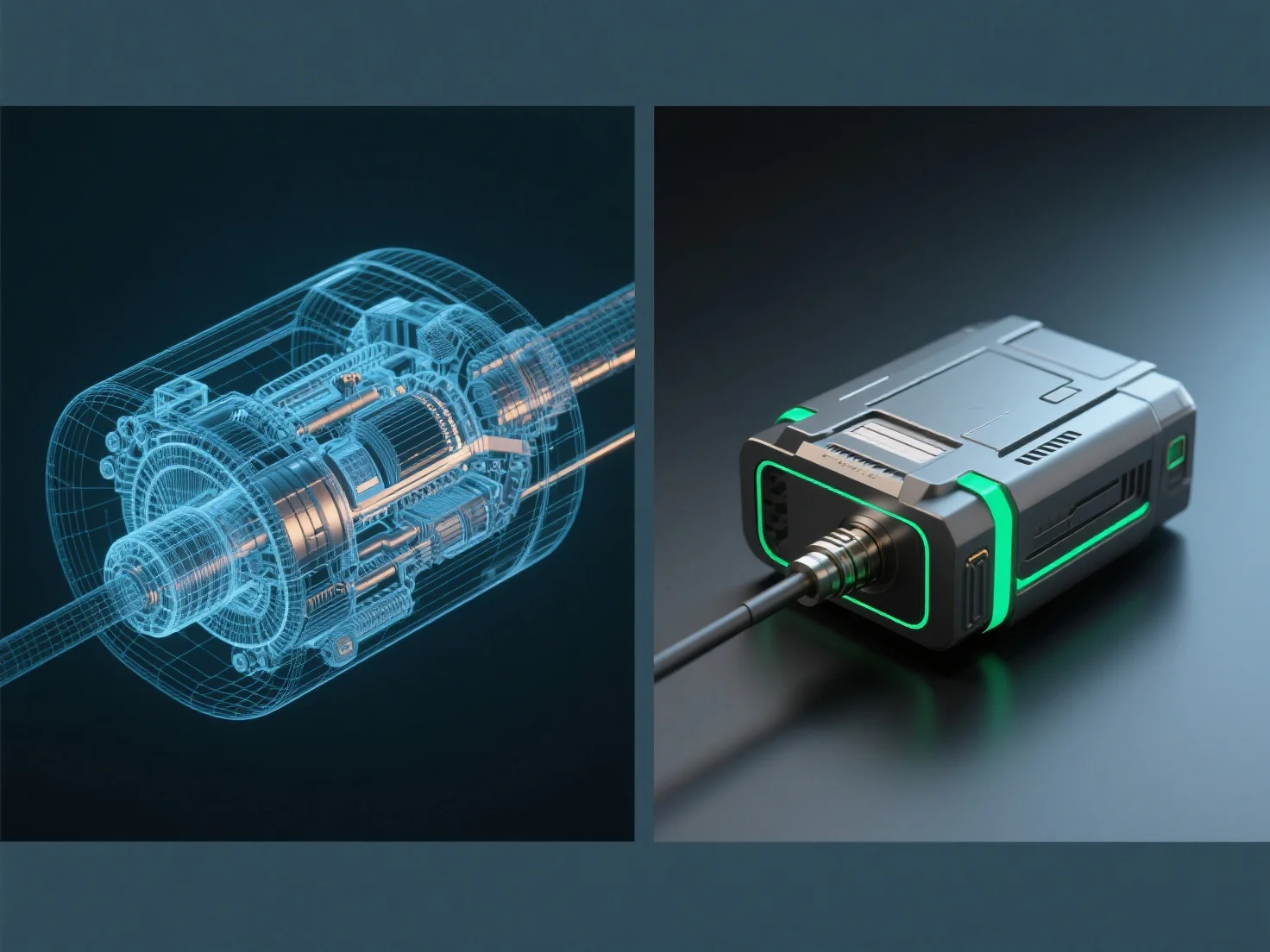
3D modeling supports the implementation of complex design projects by enhancing visual clarity, enabling collaborative iteration, and facilitating early error detection, thus streamlining the process. It transforms abstract design concepts into tangible 3D visuals, making spatial relationships and detailed structures intuitive for teams to understand, which aligns stakeholders during reviews and reduces miscommunication. It enables real-time collaborative iteration, allowing teams to edit, share, and provide feedback quickly, accelerating design refinement and ensuring all parties are on the same page. It facilitates early error detection, helping identify issues like structural flaws or space constraints before full implementation, minimizing rework and lowering costs. Overall, 3D modeling bridges conceptual design and execution, ensuring complex projects are implemented more efficiently and accurately.


How does 3D modeling support the implementation of complex design projects?
3D modeling streamlines complex design projects via visual clarity, collaboration, and early error detection for efficient, accurate implementation.