


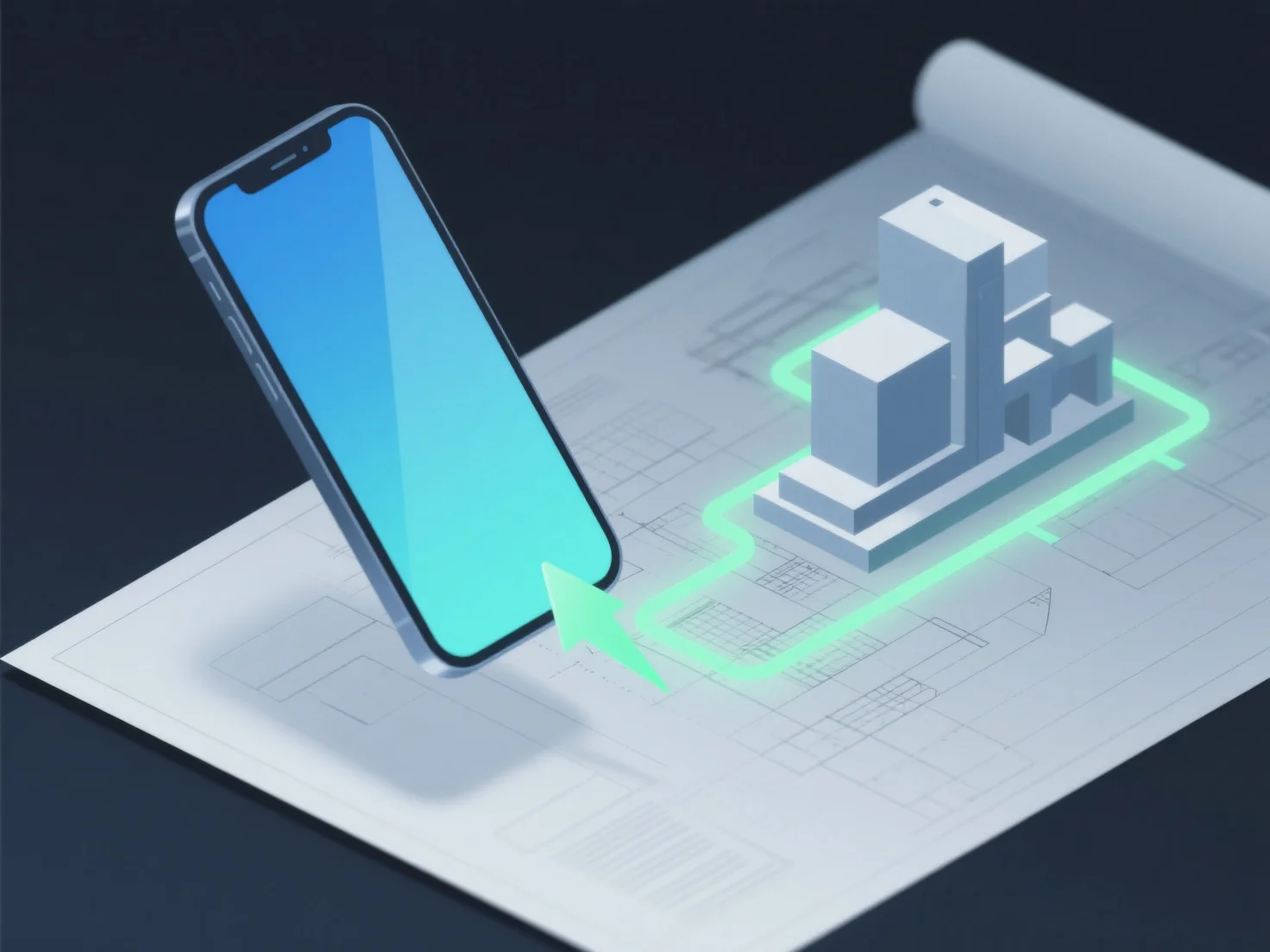
3D modeling improves the implementation of interactive design features by providing a spatial, realistic foundation that aligns visual elements with user interaction logic, streamlining prototyping and testing.
It enhances precision in simulating how elements respond to user inputs (e.g., clicks, swipes), allowing designers to visualize interactive behaviors accurately before development.
It also enables early testing of user interactions, helping identify and resolve issues in the design phase, which reduces iteration time in later implementation stages.
By integrating 3D modeling, teams can bridge design intent with functionality, ensuring interactive features are implemented smoothly and effectively.