


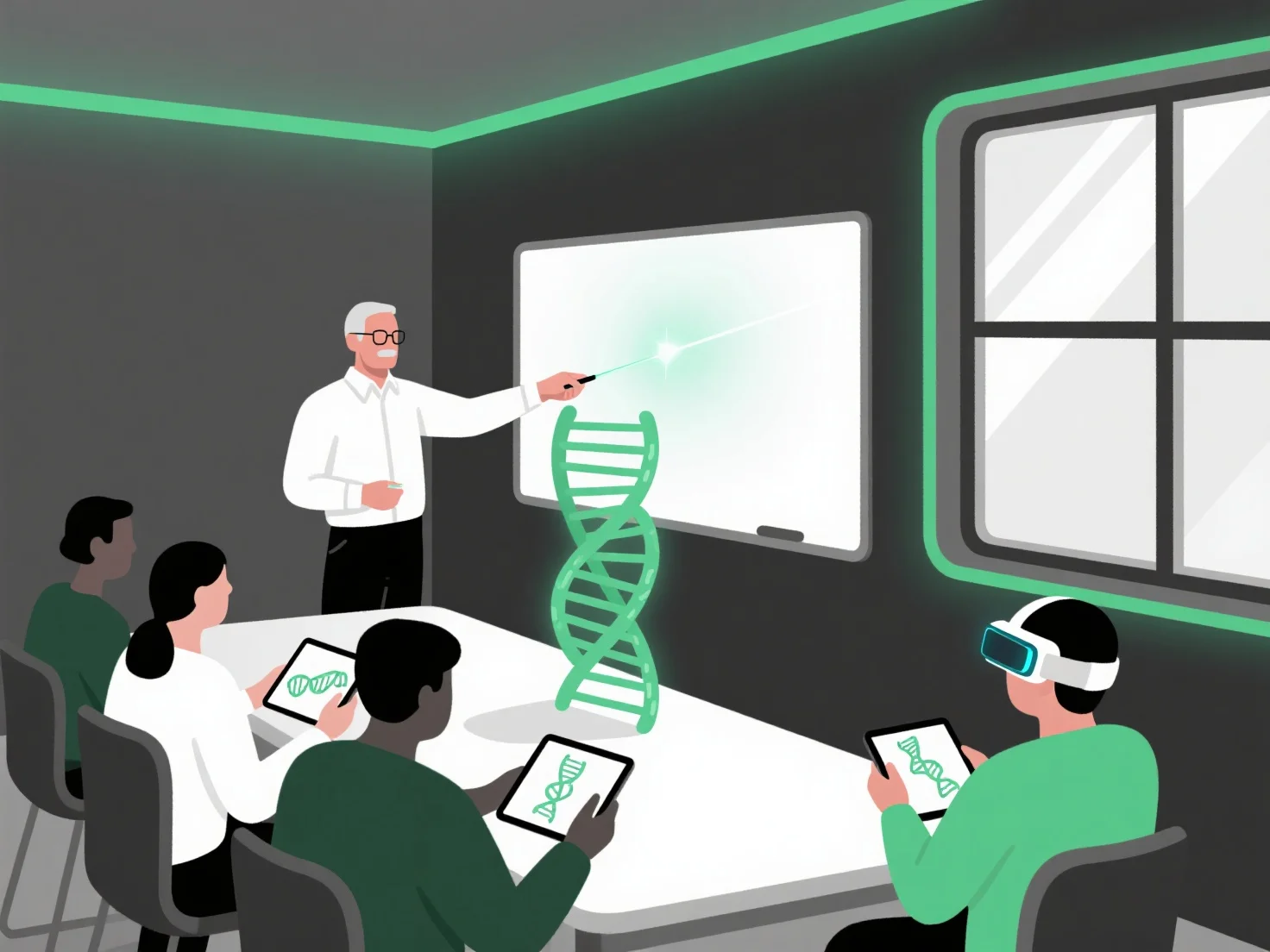
3D modeling improves the educational experience by making abstract concepts tangible and interactive, enhancing understanding and engagement across subjects.
It enables students to visualize complex structures—such as anatomical systems, geological formations, or engineering prototypes—in 3D, offering clearer insights than 2D diagrams. This helps learners grasp difficult topics in biology, geography, or STEM fields more easily.
Creating 3D models also fosters hands-on learning, encouraging creativity and problem-solving as students design and refine their own models. For example, medical students using 3D organ models gain a deeper understanding of internal structures.
Overall, this interactive method boosts knowledge retention and student participation, making education more effective and engaging.