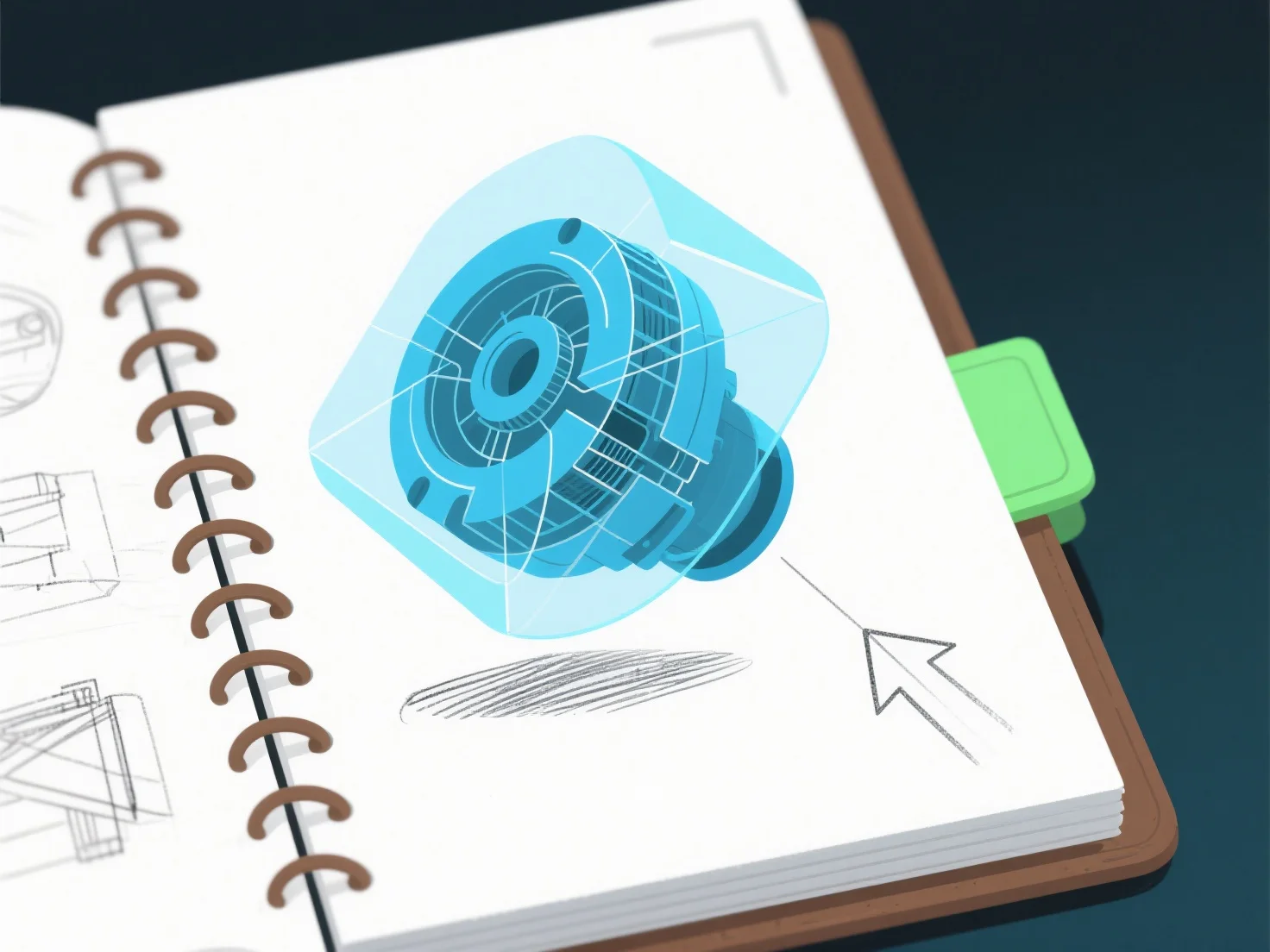
3D modeling improves problem-solving in industrial design by enabling early visualization and iterative testing of concepts, allowing designers to identify structural, functional, or aesthetic issues before physical prototyping—reducing development time and costs upfront. Key ways it enhances this process include: Early flaw detection: It highlights inconsistencies that 2D designs might miss, such as weak structural points or awkward user interactions, ensuring foundational soundness. Collaborative adjustments: Teams can real-time tweak dimensions, materials, or proportions to address production constraints or usability needs, balancing innovation with feasibility. Real-world simulation: Tools simulate stress tests, assembly flows, or environmental impacts, proactively resolving issues like part misalignment or material weaknesses. Overall, it streamlines problem-solving by merging precision with adaptability, making design solutions more robust and cost-effective.


How does 3D modeling improve problem-solving in industrial design?
3D modeling enhances industrial design problem-solving via early visualization, testing, and collaboration, reducing time and costs.