


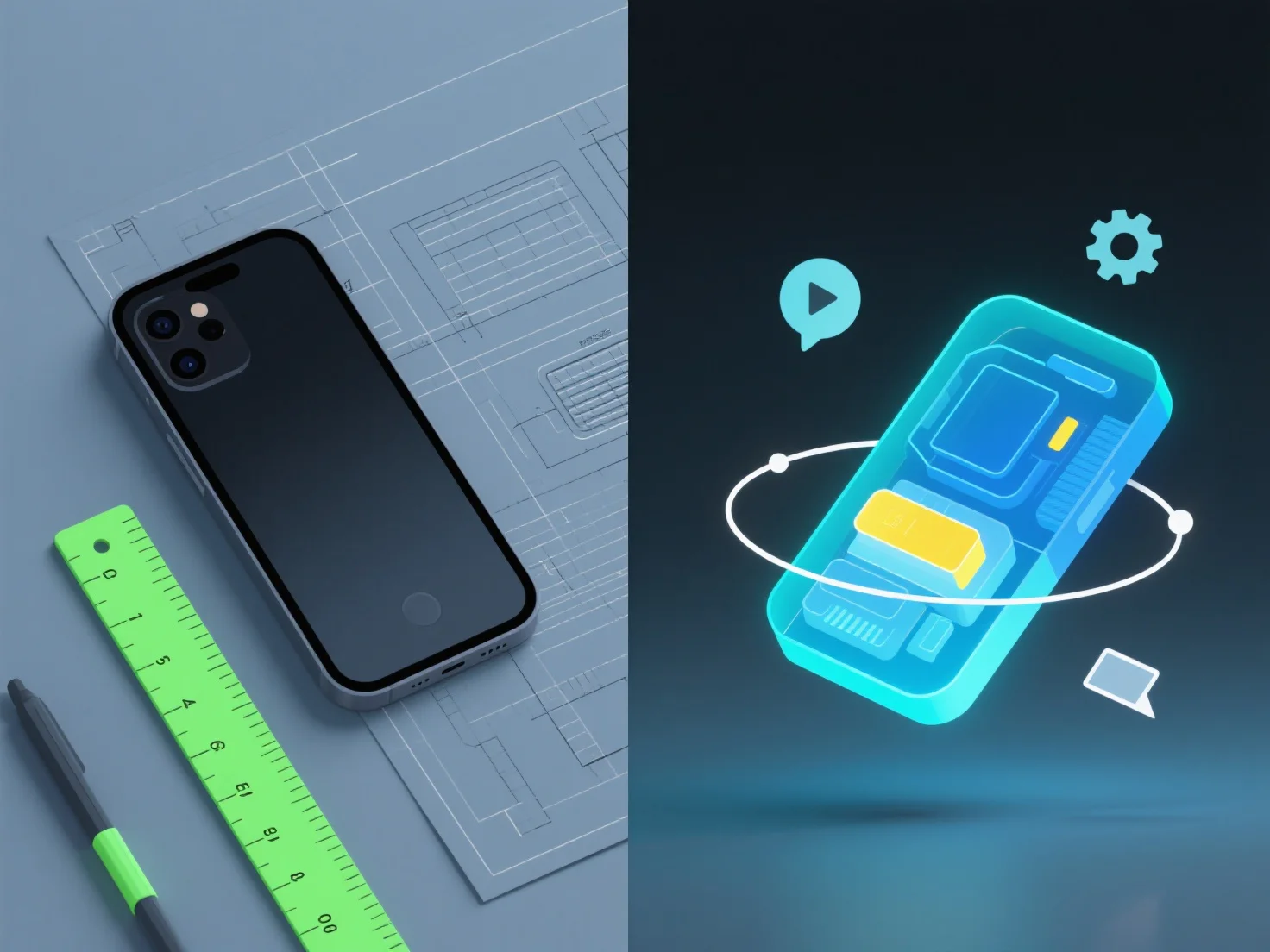
3D modeling improves decision-making in consumer electronics design by enabling early visualization, iterative testing, and data-driven validation of product features, reducing reliance on physical prototypes and accelerating design cycles.
- **Early Visualization**: It lets designers preview the product’s form, size, and aesthetics in 3D before prototyping, ensuring alignment with user preferences from the start. - **Iterative Testing**: Teams can quickly test multiple variants (e.g., button layout, screen size) to prioritize features that balance user needs and manufacturing feasibility. - **Real-World Simulation**: Simulates critical factors like ergonomics (ease of use), component fit (avoiding assembly issues), and structural stability, ensuring designs are both functional and manufacturable.
This approach ensures decisions are based on tangible insights, leading to more user-centric and cost-effective consumer electronics.