


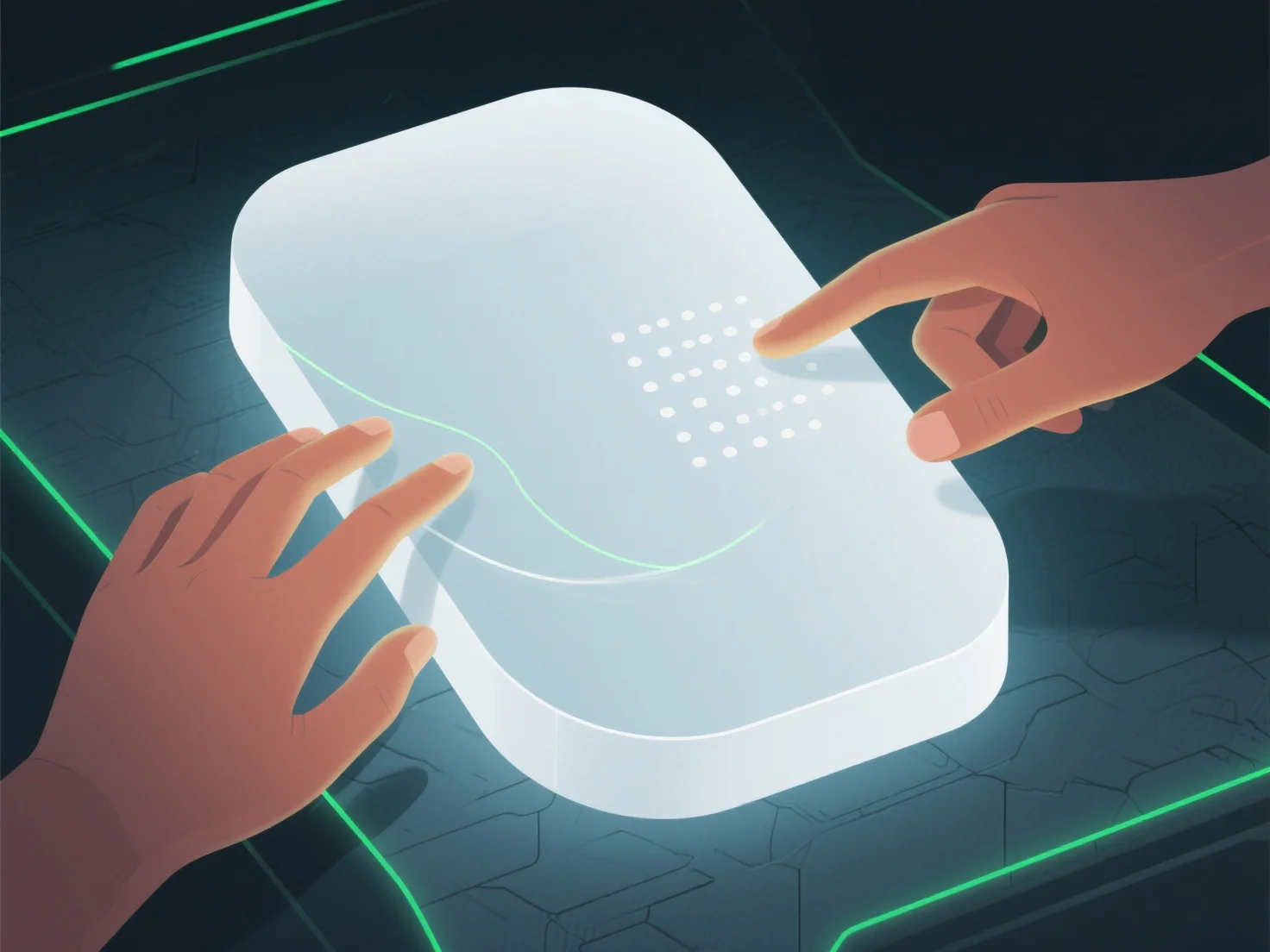
3D-Modellierung hilft Schülern mit Sehbehinderungen, besser zu lernen, indem sie abstrakte Konzepte in taktile, interaktive Objekte umwandelt, die sie berühren und erkunden können, und so Lücken im visuellen Lernen schließt.
Die taktile Interaktion ersetzt die visuelle Abhängigkeit. Die Schüler können Formen, Texturen und Dimensionen fühlen.
Es verdeutlicht räumliche Beziehungen, wie die Struktur eines Moleküls oder die Anordnung einer historischen Stätte, die 2D-Bilder oder Beschreibungen oft nicht genau vermitteln können.
Fördert praktisches Erkunden und verbessert die Gedächtnisbehaltung und das Engagement im Vergleich zum passiven Hören oder Lesen.
Durch die Kombination von taktilem, räumlichem und aktivem Lernen ermöglicht 3D-Modellierung diesen Studenten, Konzepte tiefer und unabhängig zu verstehen.