


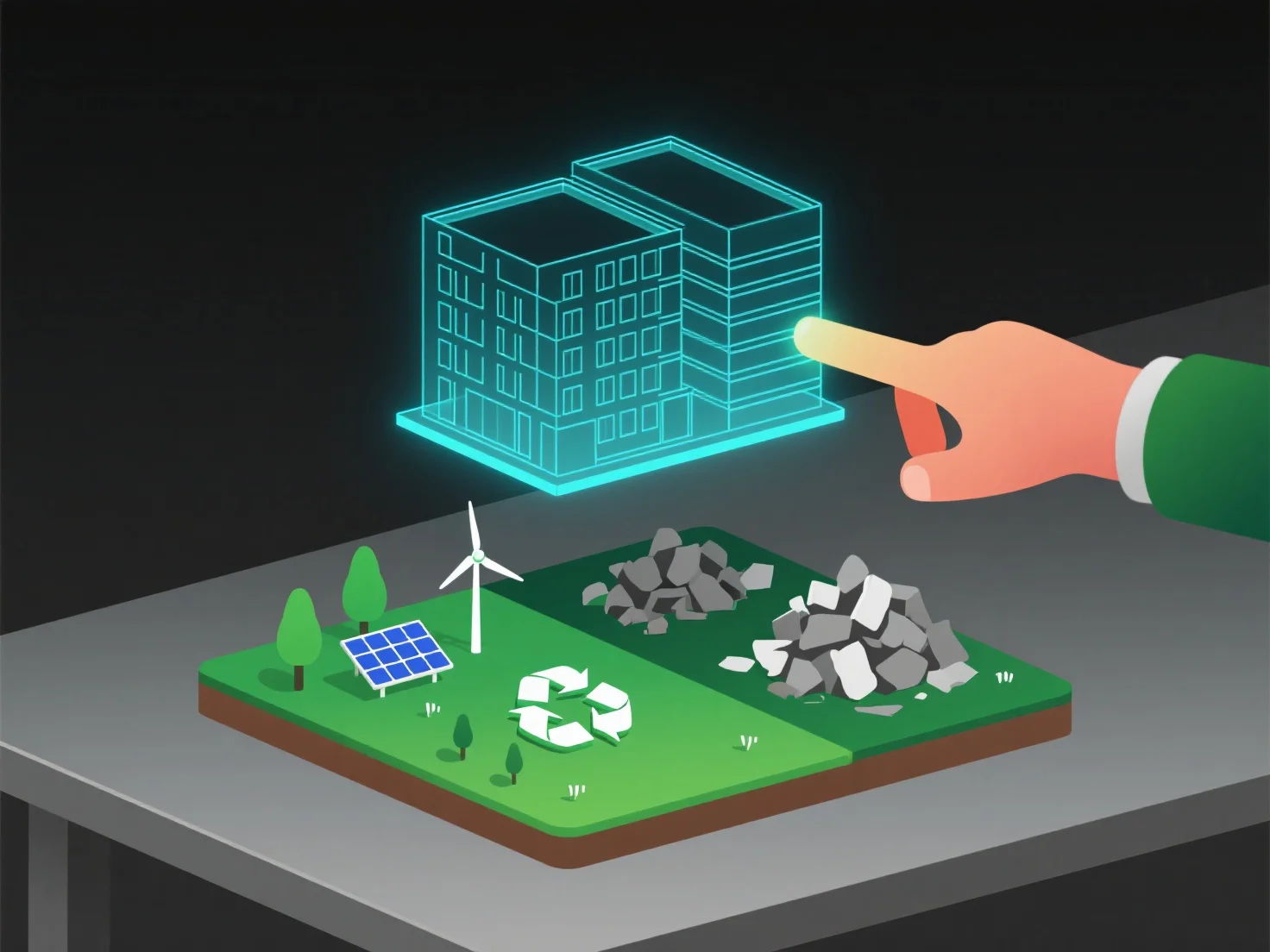
3D modeling helps solve environmental sustainability issues in design by optimizing resource use and reducing waste through virtual prototyping, enabling early simulation of material consumption, energy efficiency, and structural performance.
- **Material waste reduction**: It eliminates the need for multiple physical prototypes by testing designs virtually, cutting down on material usage and scrap. - **Energy efficiency optimization**: Designers can simulate energy flow (e.g., heat loss, solar gain) to refine layouts, ensuring buildings or products consume less energy. - **Sustainable material selection**: 3D models allow testing of eco-friendly materials (e.g., recycled plastics, low-carbon concrete) to identify the most sustainable options early.
This approach ensures sustainability is integrated from the design phase, minimizing environmental impact before physical production or construction.