


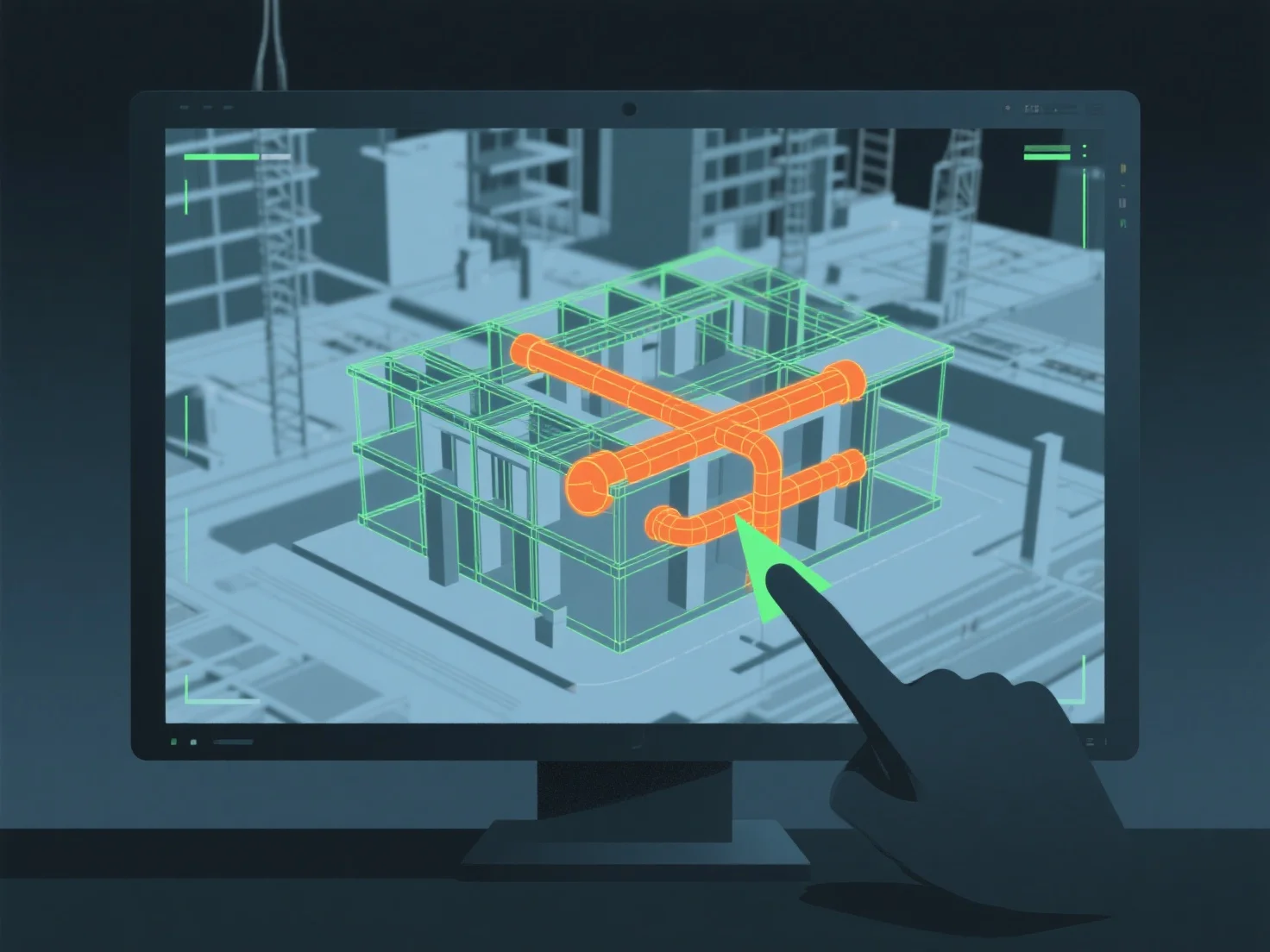
3D modeling helps visualize problems before they arise in construction projects by creating detailed, interactive digital replicas that enable early detection of design, structural, or logistical issues during the planning phase.
First, it simulates structural and MEP (Mechanical, Electrical, Plumbing) system overlaps, highlighting clashes—such as pipe-electrical conduit overlaps—that could cause delays or rework if unaddressed. Second, it identifies spatial inefficiencies, like cramped work areas or poor material flow, ensuring optimal site layout. Third, it assesses material strength and load-bearing capacities, flagging mismatches between design specs and real-world performance.
By integrating these insights early, 3D modeling minimizes on-site surprises, reduces rework costs, and keeps projects on schedule.