


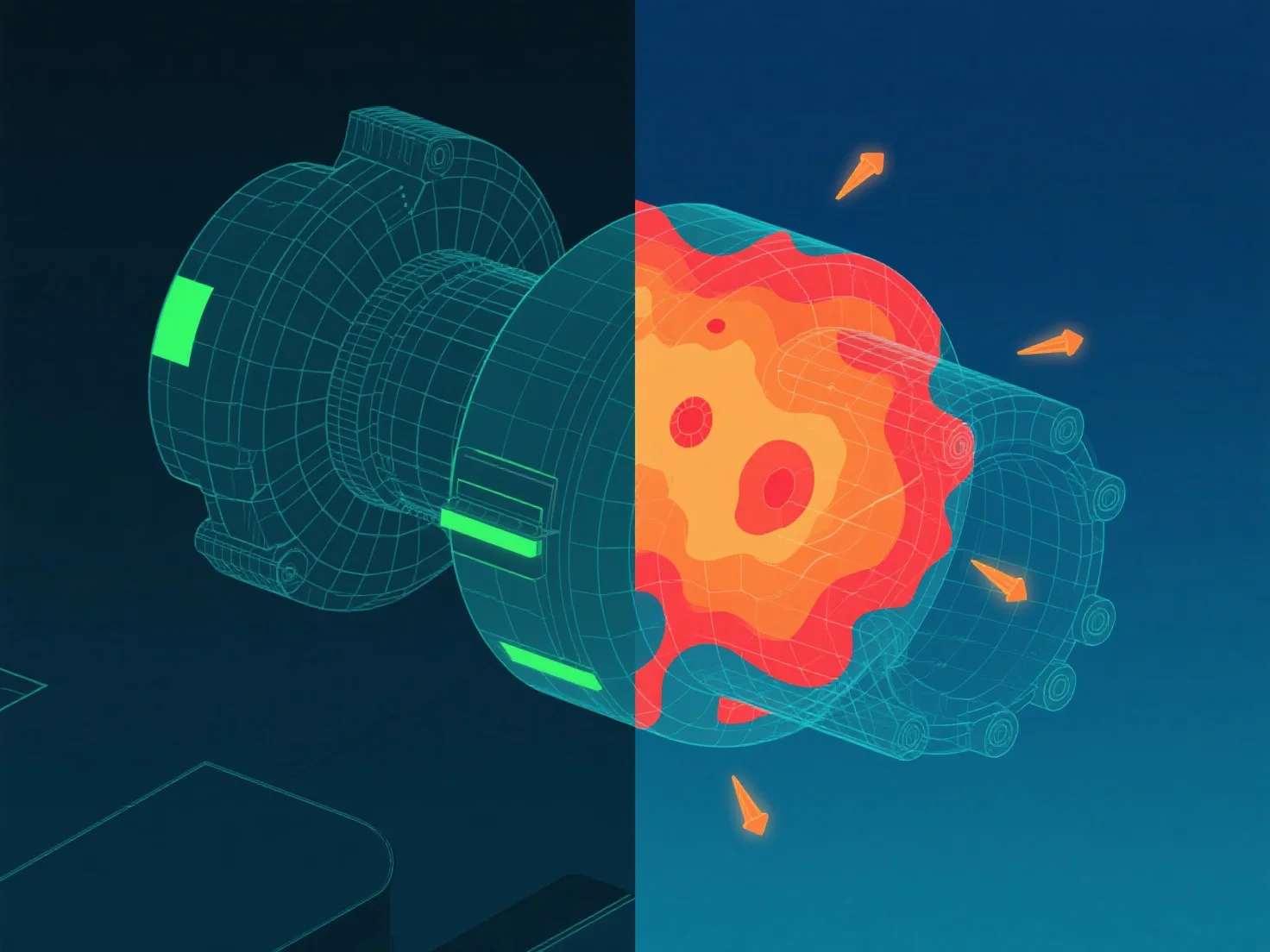
3D modeling enhances evaluating industrial design safety by enabling virtual testing of structural, operational, and compliance aspects, reducing reliance on physical prototypes.
- **Virtual stress/impact simulation**: Tests material strength, load limits, and collision risks to identify weak points early, avoiding real-world failures. - **Operational scenario analysis**: Simulates real use (e.g., machinery movement) to spot hazards like pinch points or overheating before production. - **Compliance verification**: Compares 3D models against safety standards (e.g., ISO, OSHA) to ensure regulatory alignment without physical trials.
This approach cuts testing time, lowers costs, and boosts accuracy, making safety evaluations more efficient and thorough.